Albanian Heroic Women 1967
Documentary about Congres VI of the Women's Union.
Documentary about Congres VI of the Women's Union.
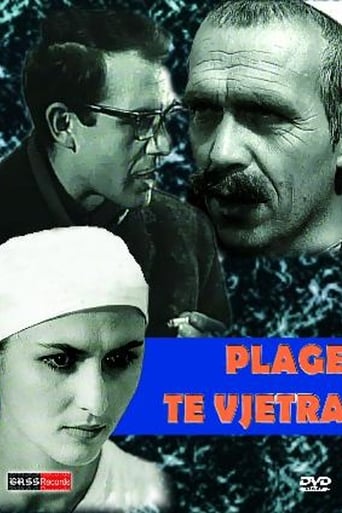
An old man refuses to undergo an operation in the hospital because he does not trust the abilities of the female surgeon.
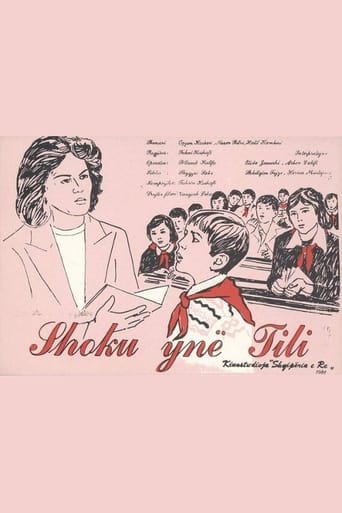
Tili is a troublesome kid who always bothers his teacher and parents. However, they try to make him change his ways.
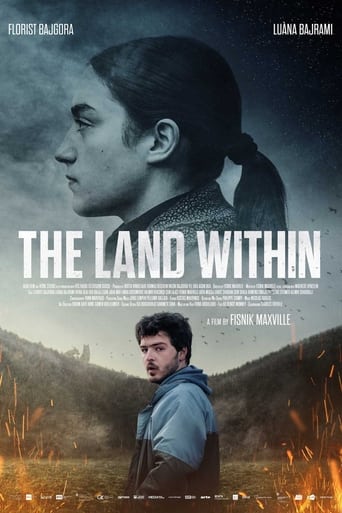
After years of exile, Remo, an orphan, returns to his childhood village in the Balkans. He must help his adoptive cousin, Una, with the exhumation of a mass grave that contains most of their family members buried there during the war. But the bodies reveal family secrets that will make Remo and Una question their past and their future. A film about the possibility of truth in a place that only knows survival.
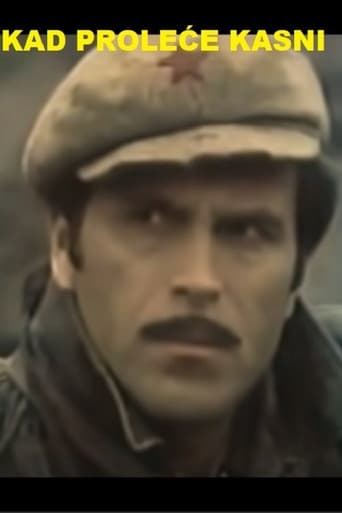
Based on war-themed diary of Fadil Hoxha, the film tells the story of one particular phase of partisan revolution in Kosovo during WWII.
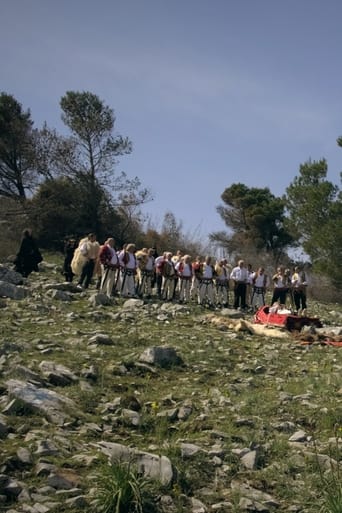
“Gjama” is a rarely practiced mourning ritual that was performed by Albanian men throughout the centuries. By shouting specific phrases and acting out a strict choreography, it is a way of paying respect to the deceased but also overcoming grief and pain over the loss of a loved one. Through the documentation of the re-enactment of the ritual, Zgjim Elshani seeks to recover fragments of the practice in the communities where this form of collective grieving is still a way of overcoming loss. By doing so, the project intends to rethink collective grieving and what it means to publicly display emotions in a male-headed society.

Little Genti wants a puppy. He expresses his wish at the family gathering, after his Roma coeval Xeni shows at the door, with his stray dog friend Aaj. This brings up a fired up discussion among the grown ups. After a quick disapproval, discussion changes its path into a clash of generations, conflict between traditional beliefs and new contemporary way of life. Ignored by grownups and despite his mother's disapproval, Genti joins Xeni and Aja on the street, continuing to find his new puppy-friend.

In Fascist Albania 1942, Albanian partisans will do all they can to remove the Italian fascists from their country.

The film titled 'Plisi' elaborates on the story of an Albanian elder who lives in New York and who never drops the bill from the head. As he wakes up from a bad dream where he turns into a strange creature, as the wind removes the crack from his head, he decides to tell his nephews about the importance of the plis that he holds.
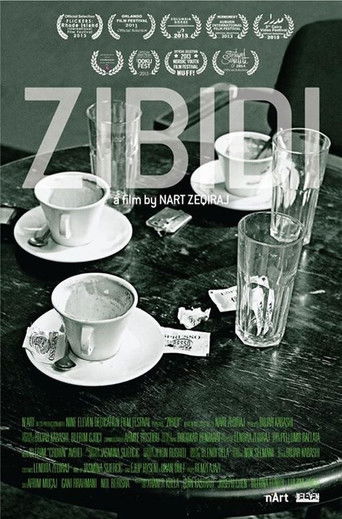
Three friends, hanging around in a cafe, make plans on where to go. Empty coffee cups on the table show that they have been there some time. Affected by the monotony, they begin to tease each other and passersby.
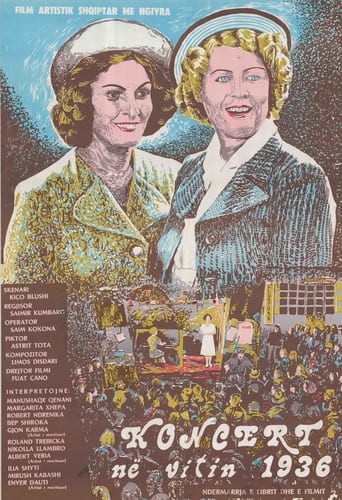
In 1936, two female artists (a singer and a pianist) visit the city of Lushnja, which was very conservative.
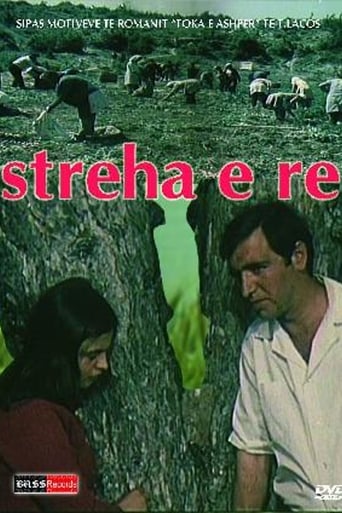
Film set in a remote mountainous area where work and living conditions are harsh.
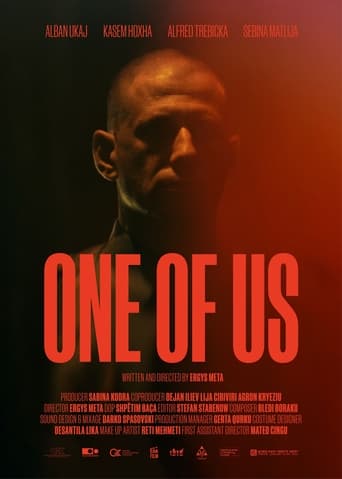
A former volunteer in the Kosovo war returns to Albania to pursue a career in the police force. In the country's chaotic and corrupt capital city, Tirana, the ex-soldier turned cop and ends up solving the crime he committed.
Fisnik is about to embark on a absurd journey in creating a fake weeding video, to get the German visa. He has to succeed in convincing his family, friends, and his ex to join him in this crazy journey.
A guy thinks that he has finally found the girl of his dreams. She is beautiful, honest and they communicate with each other just fine. But, none of this will impress him anymore because she is infected with HIV.
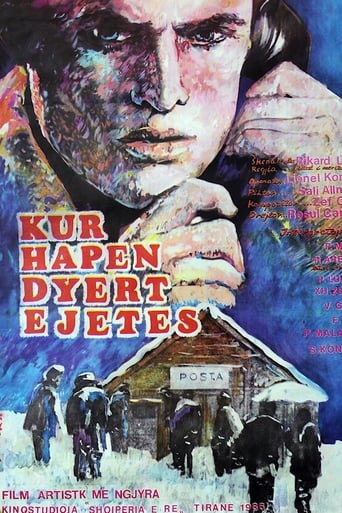
Bardhi, a young doctor, is assigned to work in a remote mountainous village under difficult conditions.
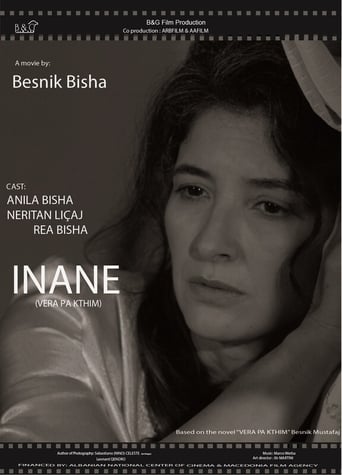
After a thirty year absence, Sana, now in her fifties, is surprised by the sudden return of her long lost love, Gori. Even though she has been waiting for this moment her entire life, she can scarcely believe her eyes.
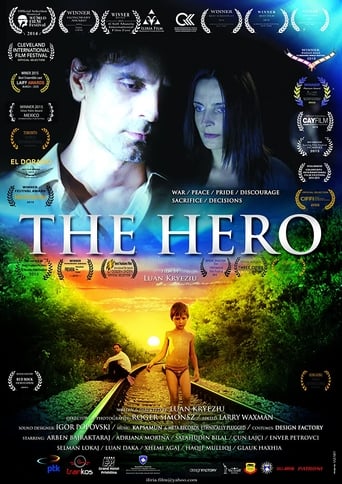
A war hero confronts his post war life in the new Kosovo.
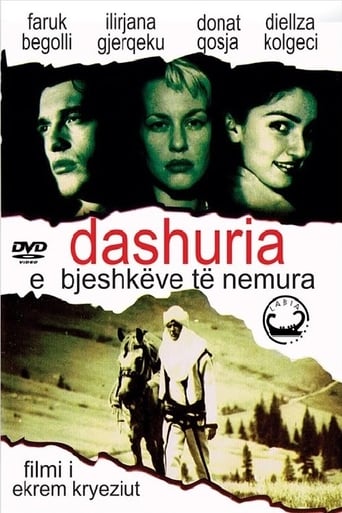
This movie shows the traditions of Kosovar Albanians that live in highlands and also tells a love story of two young people, a boy who lives in a village and a girl who just comes back from the USA to her native homeland.
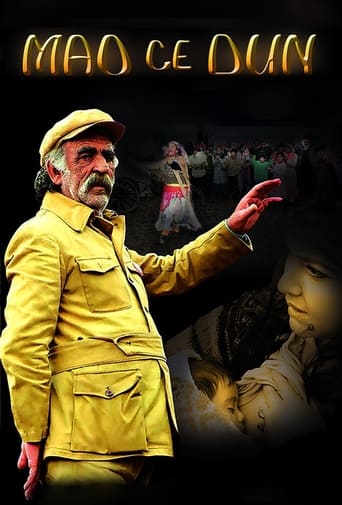
The film unfolds the reality in a communist country in the 1970s through the eyes and wise ways of an ordinary gypsy. The events take place in a small town in Albania. Besides the well-organized civilized life, a strange Gypsy community is settled in the town. The calm flow of their life is troubled by the birth of a child. The son, who is the ninth child in this Gypsy family, will bring joy not only to his family, but to the entire gypsy community. What could possibly trouble the strong communist establishment of the time? A child is born but not an ordinary one. His name is Mao Tse Tung. A gypsy Mao Tse Tung in the 1970s.
