
Unë, ti dhe Kasandra 1999
The movie brings closer the life of Albanian youth and the drug problem. It focuses on a relationship of teen girl from a well educated family and a heroin addict, mirroring of Albanian life after a very troubled decade.
The movie brings closer the life of Albanian youth and the drug problem. It focuses on a relationship of teen girl from a well educated family and a heroin addict, mirroring of Albanian life after a very troubled decade.
Two courtiers of king Zog are recruited by foreign agencies and come illegally in Albania. However, they get caught and interrogated, so the plans of the foreign agencies are thwarted.
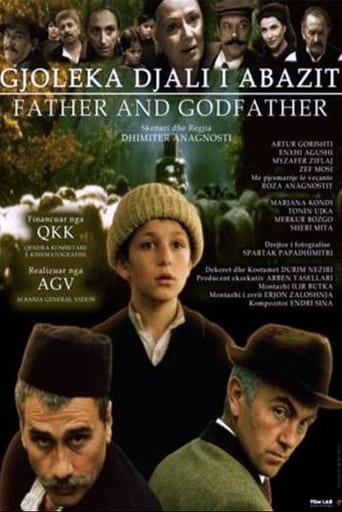
The events take place in a small Albanian village, around the '30ies. This isolated land, dominated by rituals and patriarchal relationships is the spirit that welcomes the newborn child of Abas. Servet, a co-villager, emigrant in the United States of America comes back in his homeland bringing a new vision and a new mentality, which serves as an inspiration for the 10 years old boy, Gjoleka, the son of Abas. Gjoleka founds himself in between of the ideas of his wild father, Abas and his illuminist godfather, Servet. Gjoleka symbolizes the young generation in the difficult realities that offer small and underdeveloped countries, where the outside world constitutes an irresistible attraction. The movie shows with a deep realism the human relationships, such as love, jalousie, hate, the impossibility to be integrated with another world, making this way a cruel autopsy of the weird society to which, "sometime" we belong.
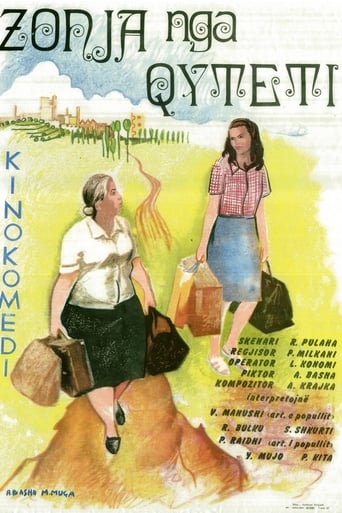
Olga's decision to live with her daughter Meli, who works as a doctor assistant, in a remote village turns into situations full of vicissitudes. After an entire trade fair of correspondence to find a groom from the city, Olga presents Koçi to Mili, who pretends to be a true artist. But Meli has fallen in love with Bujar, and doesn't seem to want move away from the village.
In the early '90s, the Yugoslavian Government cancelled the autonomy of Kosovo, dissolved its Parliament and closed down the National Television. All institutional life was reorganized by the new authorities, while the majority of the citizens responded with peaceful demonstrations. During this terrible time, Fadili, who works as an archivist, has to choose between two options, knowing that both of them are wrong. He therefore involuntarily and unwillingly "swallows" the shame, endures the pressure bearing down from all sides and puts up with the bad reputation for only one reason: to provide for his family.
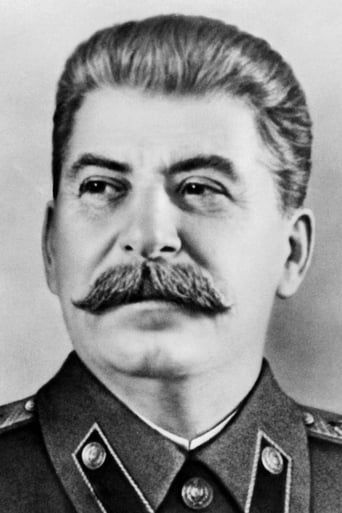
The Albanian people mourn the death of Stalin.
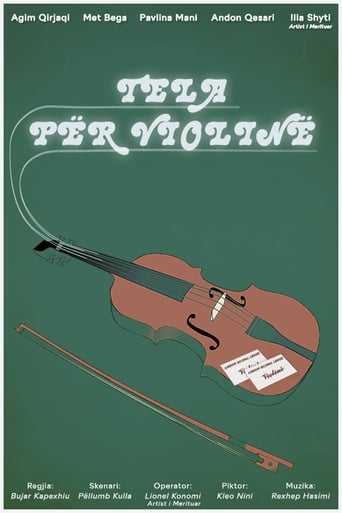
Andon, a young violinist, is seriously studying for the admission competition at the Academy of Fine Arts. Cosmai, the father, thinks his son cannot win the competition without a bit of external help. He mobilizes all his friends and relatives so that his son can be sure to win. Muco, the chairman of the commission, is incapable of judging clearly and bored from all the interventions pours the anger on the young talented violinist.
A film about the war in Kosovo.


Kosovo, 1994. A family of 6 on their way to a picnic in the suburbs hears on the radio that the Serbian police are only allowing 3 passengers per vehicle. This is where it all begins: the panic, the discord, and the deep shock of this family.

A woman returning home to her daily routine and solitary life starts getting lost in daydreams. Through flowing imagery and a home movie aesthetic, her inner fears play out on-screen.
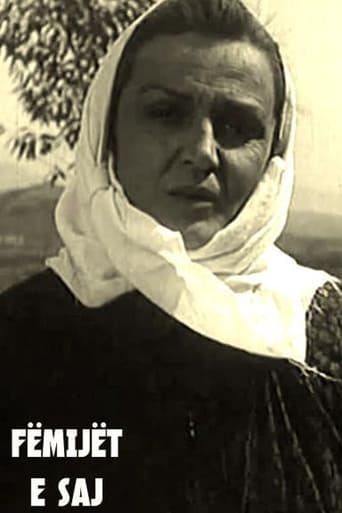
Events take place in an isolated mountaineous village where a rabid dog bites the son of Fatime. The woman has to decide where to take her son, to the doctor or to Aunt Remja, an old woman who practices magic.
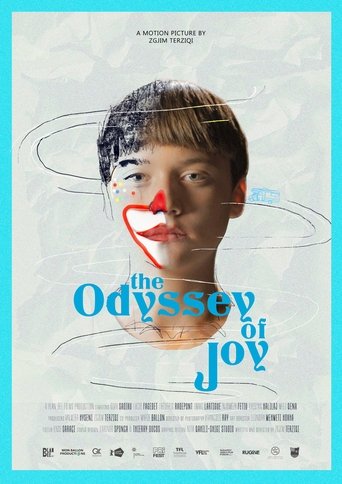
Lis, a 10-year-old boy, whose father is a missing person from the Kosovo war, lives cramped in a small apartment with his family during early 2000. Trying to forget a secret only he knows, Lis joins a French trio of clowns who are in Kosovo to entertain the children of the land. Soon enough Lis will learn that reality will catch up with everyone, and he will have to face his suppressed emotions.
Made by the highly influential Russian cameraman Roman Karmen, this documentary vividly features Albanian life immediately after the communists came to power in 1944. The film is especially memorable since it’s missing much of the heavy socialist realism that marked Albanian doc making. Shortly after he completed the film, Karmen set off for Berlin to shoot the Soviet victory over Nazi Germany.
Six alternative rock bands discuss life in UN-administered Kosovo five years after the NATO intervention, reflecting on issues from ethnic tension in the region to the popularity of turbo-folk.
Lena and Ardi have to get married. As immigrants in America they agree to an arranged marriage by their old fashioned parents, who desperately want to keep the traditions. The comic and lovely moments between them start when they make another arrangement. Living for them selves too. Until it lasts. Based on true story.
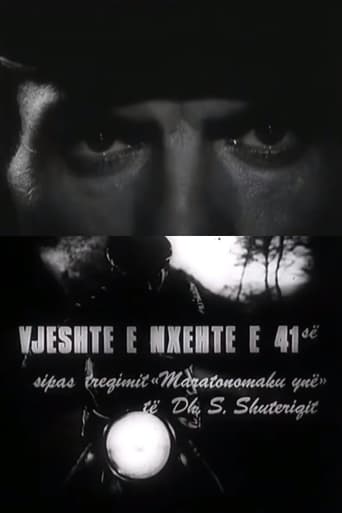
Film set on the 8th of November 1941, the day the Albanian Communist Party was founded.

Twenty-five years after his abduction during the Kosovo War, painter Skender Muja recalls a pivotal moment of survival. Held in a detention center, he was ordered to draw a Serbian commander’s portrait to save his life.
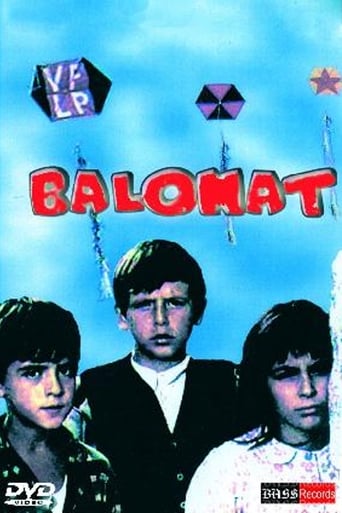
World War II. Even children contribute to the anti-fascist resistance. They write slogans on kites, so that the fascists cannot remove them.
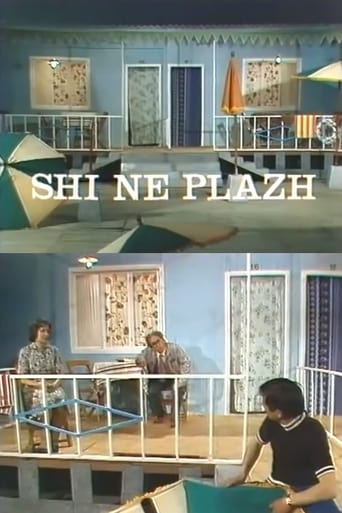
Alberi's family takes a vacation to separate Alber from his actress girlfriend and to convince him to break up with her.
