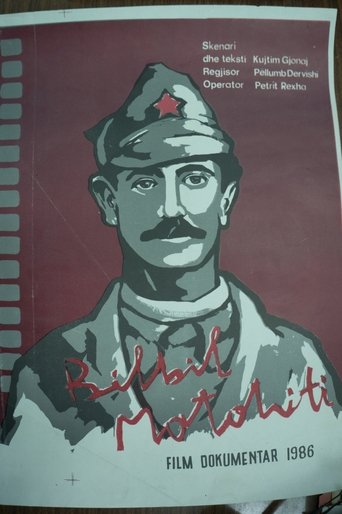
Bilbil Matohiti 1986
Documentary film from 1986.
Documentary film from 1986.

A documentary about immigrants.
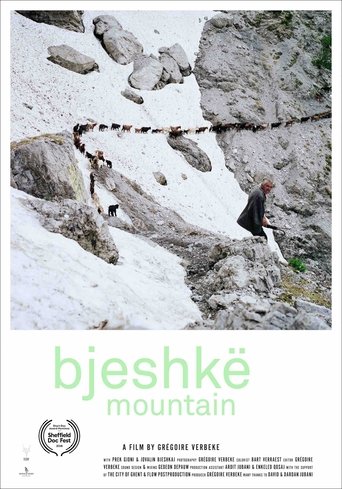
Springtime in northern Albania sparks the herding of goats from the lowlands, up to the towering mountainsides. Prek Gjoni is moving his livestock with the help of Jovalin. Will broken shoes and an umbrella suffice for the 4-day walk?
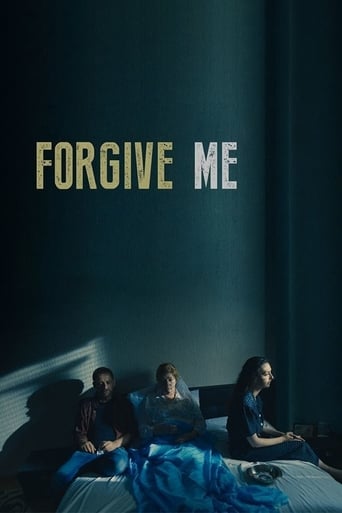
Bujar, a youngster, is manipulated by a kosher Imam in joining terrorist groups fighting in Syria. He secretly joins the war and then asks his older brother Agron to send Bujar’s wife Mimoa to Syria too.

Vlora, an acting student, is chosen for the lead role in Sophocles’ play Antigona. The premiere receives significant attention, but less for Vlora’s portrayal of her character as for her undressing on stage. Vlora’s father is ashamed and forbids her from continuing with the play. Living in a conservative society the only person who supports Vlora is her younger brother. Vlora finds herself caught between her career and her family, and as she fights to defend her acting role, she learns she is fighting for her future.
When his car breaks down in a desolate rural area, Noir, an emotionally lost actor, accidentally meets Anna, an enigmatic girl who walks through the landscape as if he doesn't exist. Following her, he is drawn into a strange and poetic journey, where Anna's pauses and the landscape awaken hazy memories of a lost love. As reality and memory intertwine, Anna leads Noir to an old cemetery, where he discovers that she is long dead. Confronting her grave becomes his moment of awakening, realizing that the journey was a spur to accept the pain and restore meaning to his life.
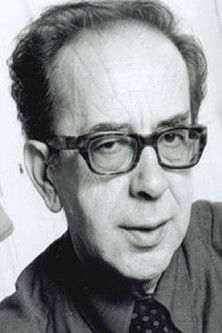
A film about one of the most famous Albanian writers, Ismail Kadare. "Literature is born and develops in every time, in every regime, regardless of its sharpness." Kadare's life path is depicted, from his native Gjirokastra to the streets of Paris, where he lives today.
The end of the shift finds nurse Ajkuna conversing with a colleague. He's acquired the information she was looking for: a link to an organ trafficking circle. As she goes through various encounters with strangers and acquaintances, and wrestles with her daughter’s impending graduation, Ajkuna begins to see herself imploding.
This film is dedicated to the girl who died in June 2016 in Prizren, Xheneta Gashi. This film is about the kids living in the same circumstances as Xheneta did, and also it’s about the miserable economic situation of Kosovo.
A normal day in Psychiatric Hospital in Shtime. Images that cannot be seen elsewhere, wrong prejudices, a lot of words by the patients, but still there is a huge silence.
A man in Mitrovica City (Kosovo) in his 50s claims he is Hitler, although he doesn’t support Hitler’s legacy. He says nature has bestowed upon him to become the living Hitler. This image has brought him financial benefits as well, as he charges 40 euros for photography. He adds that despite that fact that he has a controversial face, he gains much respect in his hometown Mitrovica. Even KFOR soldiers, NATO’s peacekeeping force, pay him respect by visiting him from across Kosovo to photograph him.

Based on a real story that took place in Shkodër, a German captain who returns to Albania and is given his clock back from a local watchmaker (sahatçi) after 30 years. The film takes place in modern days, where an Austrian boy (Anton) goes after an Albanian student (Teuta) to Albania after being refused by her to spend the holidays together. The boy is supported by his grandfather, who gives him an envelope to read only after arriving in Albania.
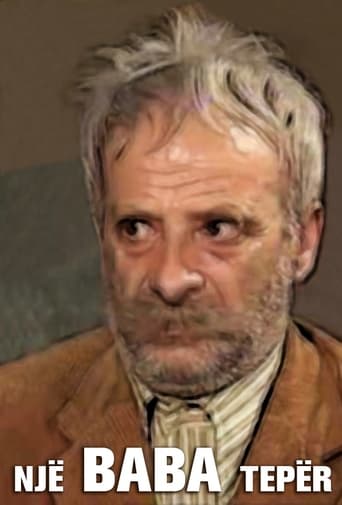
A tragicomedy in which an old man has two sons but neither of them, influenced by their wives, want to keep him. In the end, they decide to marry him off to an old woman, to free their houses of him.
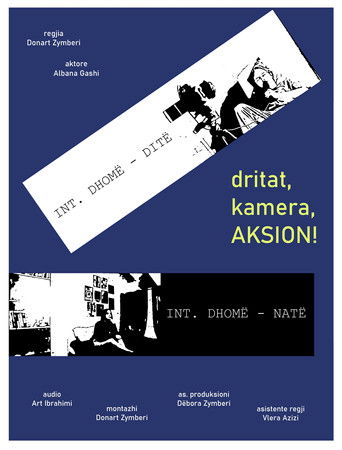
When an actor leaves a project just before production, the director tries to finish his film without a protagonist while simultaneously contemplating about the nature of cinema and the imminent environmental destruction of his planet.
Made during the violent civil unrest that rocked Albania in the 1990s, directors Nova and Faja have handcrafted a searing vision in which a demonic appearance brings chaos to a quiet hamlet.
The dream of a man whose old age has forced him to retreat to the life he once lived. He feels that society doesn't appreciate him for what he is, so he starts living in his memories and departs from reality once and for all.

Four female voices interweave a polyphonic narration of the tragic story of “Katër i Radës,” the boat that sank in 1997 due to the naval blockade imposed by the Italian government on migration flows from Albania. The relatives of the victims that were amongst the first to die, in their attempt to cross the borders of “Fortress Europe,” sail along the Strait of Otranto following the route of the doomed ship only to pose the questions ignored by the media and the judicial authorities.
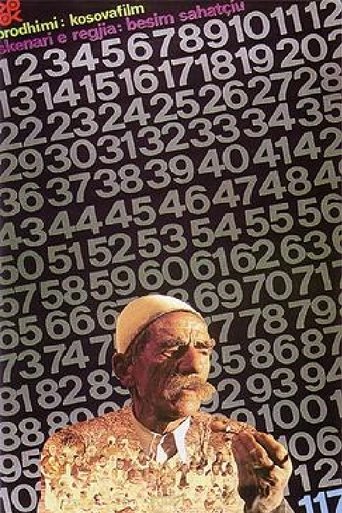
Shot in the Kosovar village of Nevokaze, it depicts the traditional lifestyle of an Albanian family numbering 117 members, all living under one roof and in great harmony. One of the finest examples of ethnographic film to come from this region, it has been called a ‘spiritual portrait of the nation’.
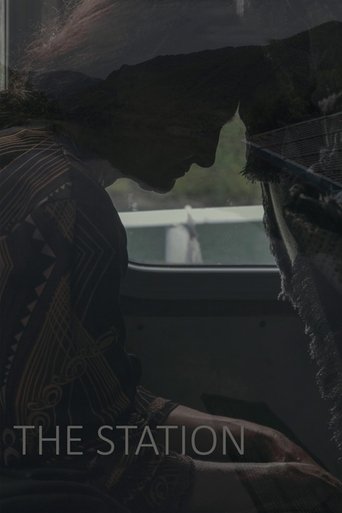
Lake Fierza, high mountains on both sides and a small boat that breaks the silence of this small part of the world. Some movements can be seen. From a distance, the boat looks at people coming down from the top of the mountains and patiently waiting for the only transport that connects them with the rest of the world, almost unknown to them.
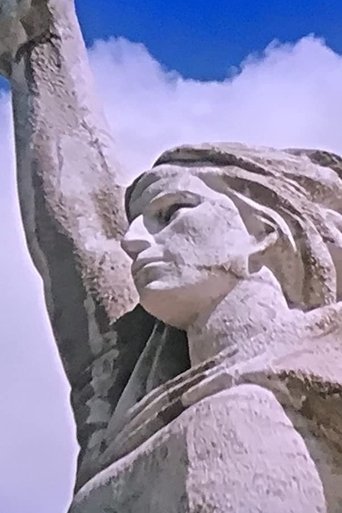
Can heartbeats be “reactionary”? Yes, if they are the only sonic element on a montage-heavy documentary about the war dead. Made just before Enver Hoxha’s cultural purges in 1974, Dhimitër Anagnosti’s formalist, wonderfully edited affair will finally premiere in a restored version after its completion forty-two years ago.
