
Jack Mortimer 1961
Munich cab driver Herbert Sponer picks up American businessman Jack Mortimer at the train station. Suddenly Mortimer is shot while driving and Sponer has to try to avoid being suspected as the perpetrator.
Munich cab driver Herbert Sponer picks up American businessman Jack Mortimer at the train station. Suddenly Mortimer is shot while driving and Sponer has to try to avoid being suspected as the perpetrator.
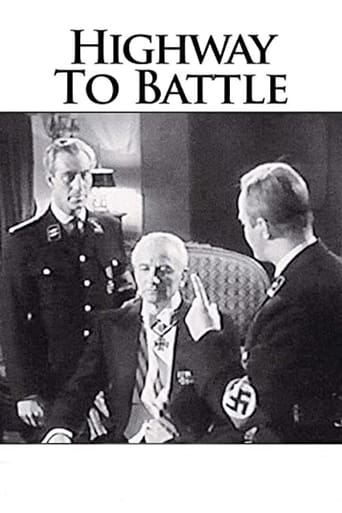
Months before the out break of WWII, suspicion falls on a German ambassador when one of his envoys fails to return to Berlin. The arrival of two Gestapo agents searching for the missing man causes the ambassador and his family to rethink their Nazi allegiance but is it too late to escape from Hitler's evil grasp?
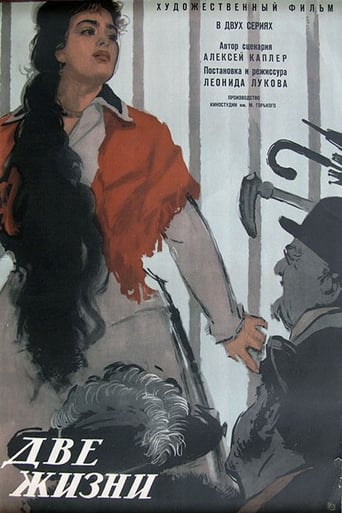
In the center of the film - two lives, two destinies. A simple, illiterate soldier Vostrikov of the Tsar's Army during the years of Soviet power grew into a devoted fighter of the revolution, he became a general of the Soviet Army, respected by all. A guards officer, a brilliant prince Naschyokin, who fought against Soviet power, emigrated from his native country and eventually became a lackey in a port restaurant.
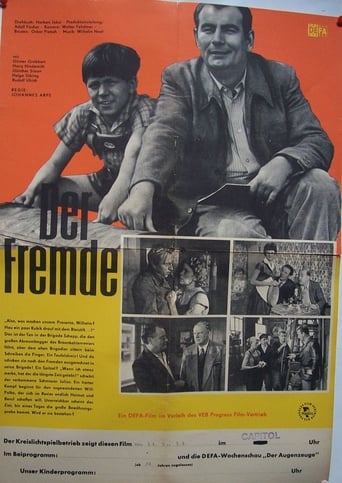
After years of drifting around, Willi Palko arrives in the lignite mining area. He was not only looking for a new job, but also wanted to finally settle down here. The party leadership sends him to the Schepp brigade, which has made itself "suspicious" (on paper) due to its extremely high production figures. The stranger is accused of being a spy for the factory management. Willi finds it difficult to assert himself, but he is taken with the big excavator, the prospect of one day being allowed to drive it, and the brash flapper Hanna. He stays, and with his help a mine foreman is exposed as a Western agent and coal production is brought up to a really high level.
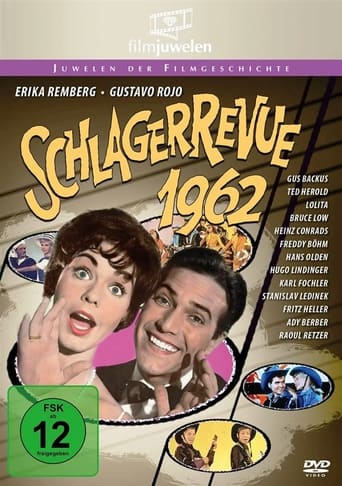
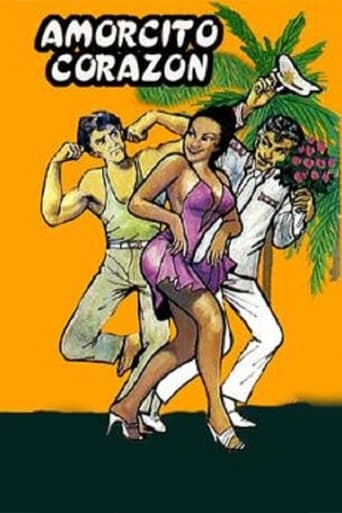
Comical crises in the household of a newlywed couple.
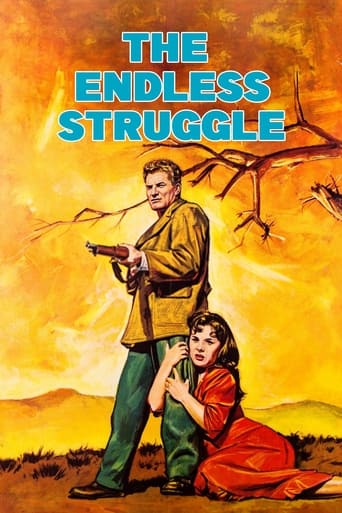
Sultan and Mehmet are a newly married couple. They have dreams. They will take their friend Garip with them, move to Bozdag, buy a field, and have children.
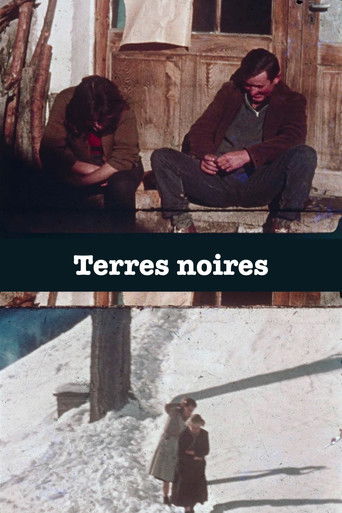
Pseudo-ethnological documents about two villages which, without roads and electricity, "stopped existing".
This short documentary offers a portrait of life on a cattle ranch, for both its human and animal inhabitants. Featuring sprightly music by folk singer Pete Seeger and narration by theatre actress Frances Hyland, the film is shot through the seasons on a large Canadian cattle ranch near Kamloops, British Columbia. With hundreds of cows and calves on the ranch, there’s no shortage of work to be done: soil cultivation and crop maintenance are taken care of by seasonal ranch hands while the resident cowboys—“anxious guardians”—brand and breed their bovine charges.
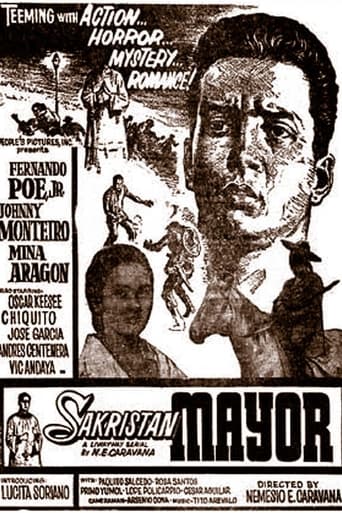
Filipino horror action from 1961.

The young generation is not very at peace with the morality of their parents. In a story set in a Moravian village, the otherwise contented cooperators indulge in stealing from the common property without seeing anything wrong with such actions. After being reprimanded by their own children, they first get angry but then become ashamed. The result is a late agitational comedy that no longer deals with the peasants' entry into the agricultural cooperative, but with the mores prevailing there. The ideologically mature youth act as a guarantee of a happy future.
A 1961 Hindi movie.
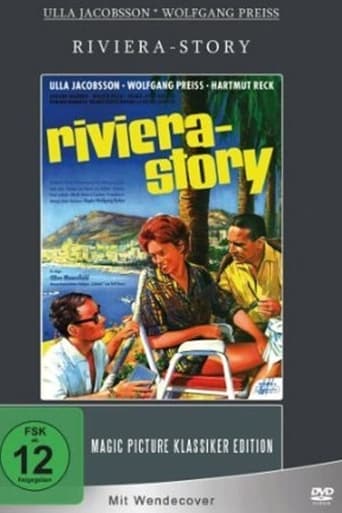
Relations between middle-aged businessman Arthur Dahlberg and his young wife Anja are not at their best. So it occurred to them to leave their Hamburg home and go on vacation to the Côte d'Azur to revitalize their relationship. But Arthur Dahlberg, even on vacation, is obsessed with running his business. Meanwhile, Anya meets the young writer Roy Benter.

A gang member is attracted to a beautiful young woman, but approaching her only causes problems that will be difficult to solve.
Docudrama about the life of Rabindranath Tagore, Indian polymath—poet, writer, playwright, composer, philosopher, social reformer and painter, who reshaped Bengali literature and music as well as Indian art, becoming in 1913 the first non-European and the first lyricist to win the Nobel Prize in Literature. The film was released during Tagore's birth centenary year.
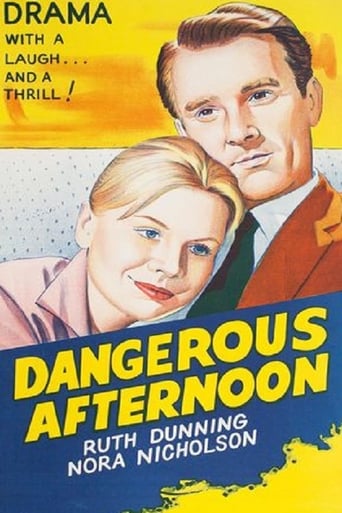
The manager of a halfway house for female ex-cons takes action when a blackmailer threatens to expose her secret.
The deeds of a dishonest man lead three children from a family to be raised by different foster parents. The children grow up in Muslim, Christian and Hindu households respectively.
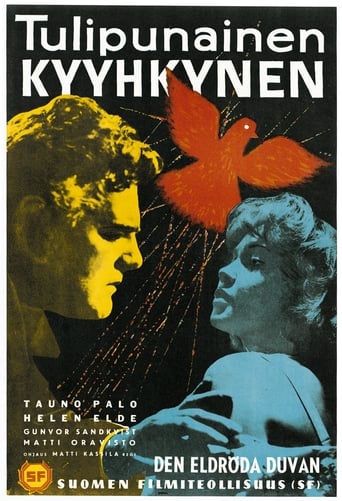
Dr. Aitamaa is spending holiday with his family at their summer villa. He accidentally reads a letter that was meant to his wife. The letter is from another man. Aitamaa follows his wife to the city and finds out that she has a lover. Later the wife is found killed and Aitamaa becomes the prime suspect.

The Mike Douglas Show is an American daytime television talk show hosted by Mike Douglas that originally aired only in the Cleveland area during much of its first two years on the air. It then went into syndication in 1963 and remained on television until 1982. It was distributed by Westinghouse Broadcasting and for much of its run, originated from studios of two of the company's TV stations in Cleveland and Philadelphia.
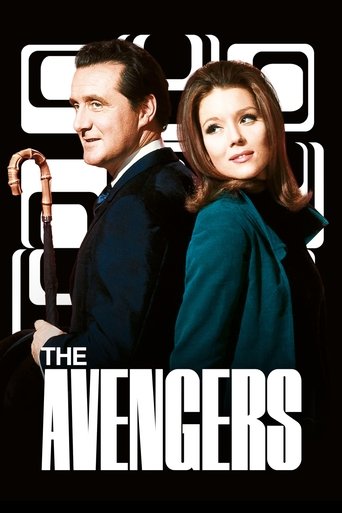
A quirky spy show of the adventures of eccentrically suave British Agent John Steed and his predominantly female partners. Jonathan Steed - an urbane, proper gentleman spy - teams with various assistants throughout the series' run, including Dr. David Keel, Cathy Gale, Emma Peel and Tara King, to repeatedly save the world from diabolical schemes plotted by equally diabolical evil-doers (among them robots and man-eating monsters).
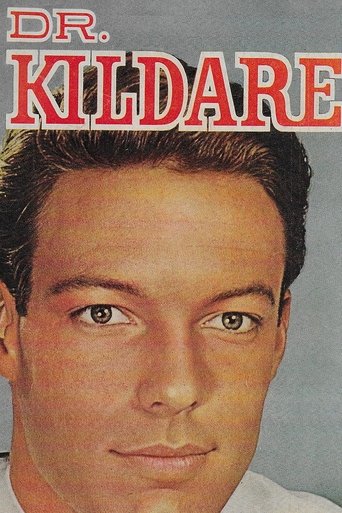
The story of a young intern in a large metropolitan hospital trying to learn his profession, deal with the problems of his patients, and win the respect of the senior doctor in his specialty, internal medicine.
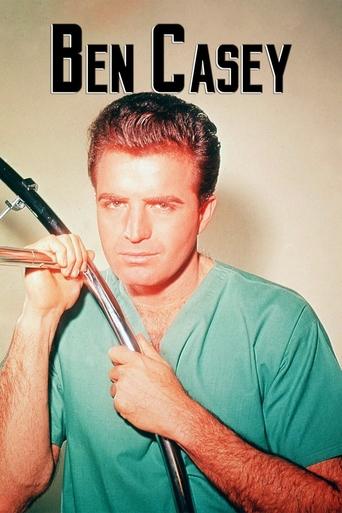
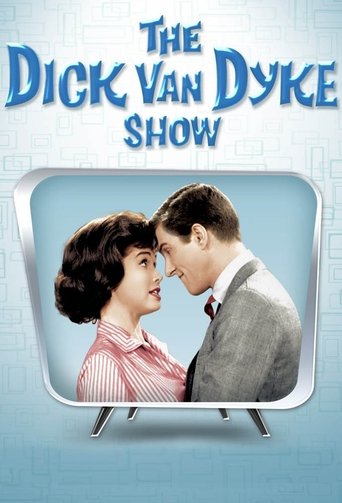
The Dick Van Dyke Show centers around the work and home life of television comedy writer Rob Petrie. The plots generally revolve around problems at work, where Rob got into various comedic jams with fellow writers Buddy Sorrell, Sally Rogers and producer Mel Cooley.
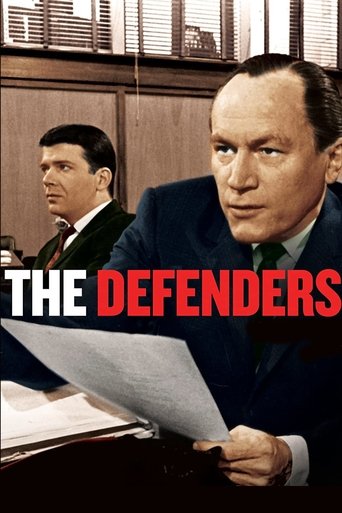
The Defenders is an American courtroom drama series . It starred E. G. Marshall and Robert Reed as father-and-son defense attorneys who specialized in legally complex cases, with defendants such as neo-Nazis, conscientious objectors, civil rights demonstrators, a schoolteacher fired for being an atheist, an author accused of pornography, and a physician charged in a mercy killing.
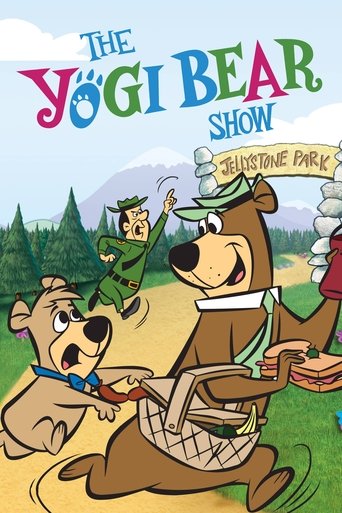
From his home in Jellystone Park, Yogi Bear dreams of nothing more in life than to outwit as many unsuspecting tourists as he can and grab their prized picnic baskets all while staying one step ahead of the ever-exasperated Ranger Smith. Yogi's little buddy, Boo-Boo, tries to keep Yogi out of trouble but rarely succeeds. That's okay because not even Ranger Smith can stay mad for long at the lovable, irresistible Yogi Bear.
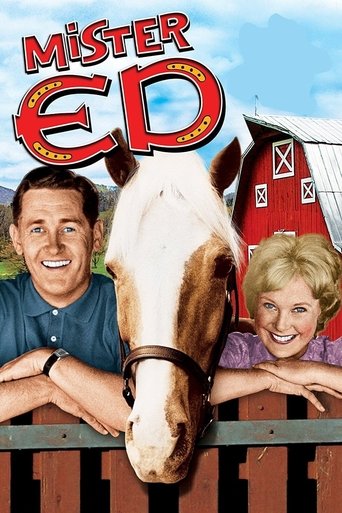
Wilbur Post and his wife Carol move into a beautiful new home. When Wilbur takes a look in his new barn, he finds that the former owner left his horse behind. This horse is no ordinary horse . . . he can talk, but only to Wilbur, which leads to all sorts of misadventures for Wilbur and his trouble-making sidekick Mister Ed.
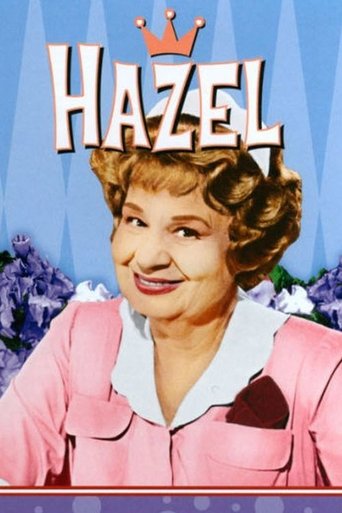
Hazel is an American sitcom about a fictional live-in maid named Hazel Burke and her employers, the Baxters. The five-season, 154-episode series aired in primetime from September 28, 1961 until April 11, 1966 and was produced by Screen Gems. The show aired on NBC for its first four seasons, and then on CBS for its final season. The first season, except for one color episode was in black and white, the remainder in color. The show was based on the popular single-panel comic strip by cartoonist Ted Key, which appeared in the Saturday Evening Post.

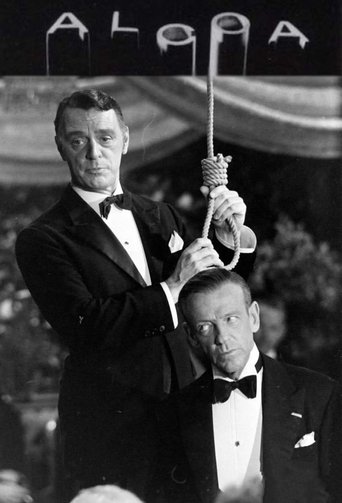
Alcoa Premiere is an American anthology drama series that aired from October 1961 to July 1963 on ABC. The series was hosted by Fred Astaire, directed by Norman Lloyd and executive produced by Alfred Hitchcock.
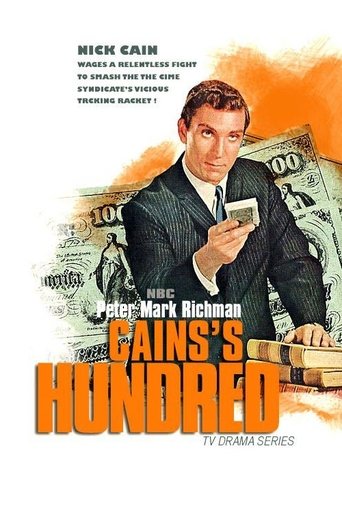
A former underworld lawyer goes to work for the Federal Government, determined to bring 100 top criminals to justice.
Drama 61-67 is anthology drama series which took a different title, based on year of transmission, each year. It alternated with Armchair Theatre from ABC in the Sunday evening slot. The series was described at the time as epitomising ATV drama.

The Dick Powell Show is an American anthology series that ran on NBC from 1961- 1963, primarily sponsored by the Reynolds Metals Company. It was hosted by longtime film star Dick Powell until his death from lymphatic cancer on January 2, 1963, then by a series of guest hosts until the series ended. The first of these was Gregory Peck, who began the January 8 program with a tribute to Powell, recognizing him as "a great and good friend to our industry." Peck was followed by fellow actors such as Robert Mitchum, Frank Sinatra, Glenn Ford, Charles Boyer, Jackie Cooper, Rock Hudson, Milton Berle, Jack Lemmon, Dean Martin, Robert Taylor, Steve McQueen, David Niven, Danny Thomas, Robert Wagner and John Wayne.
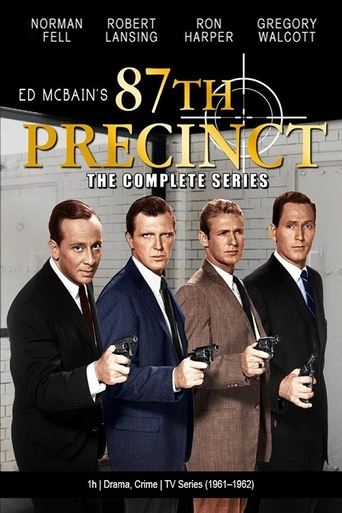
87th Precinct is an American crime drama starring Robert Lansing, Gena Rowlands, and Ron Harper, which aired on NBC on Monday evenings during the 1961–1962 television season.

South Today is the BBC's regional television news programme for Hampshire, the Isle of Wight, West Sussex, eastern Dorset, southern and eastern Oxfordshire, western Berkshire and parts of Buckinghamshire, Surrey and Wiltshire. Since 2000, an opt-out of the main programme has also covered most of Oxfordshire, eastern Gloucestershire, western Buckinghamshire and northern parts of Berkshire and Wiltshire.

Four Corners is Australia's longest-running investigative journalism/current affairs television program. Broadcast on ABC1 in Australia, it premiered on 19 August 1961 and celebrated its 60th anniversary in 2021. Founding producer Robert Raymond and his successor Allan Ashbolt did much to set the ongoing tone of the program. Based on the Panorama concept, the program addresses a single issue in depth each week, showing either a locally produced program or a relevant documentary from overseas. The program has won many awards for investigative journalism, and broken many high-profile stories. A notable early example of this was the show's epoch-making 1962 exposé on the appalling living conditions endured by many Aboriginal Australians living in rural New South Wales.

Points of View is a long-running British television series broadcast on BBC One. It started in 1961 and features the letters of viewers offering praise, criticism and purportedly witty observations on the television of recent weeks.
