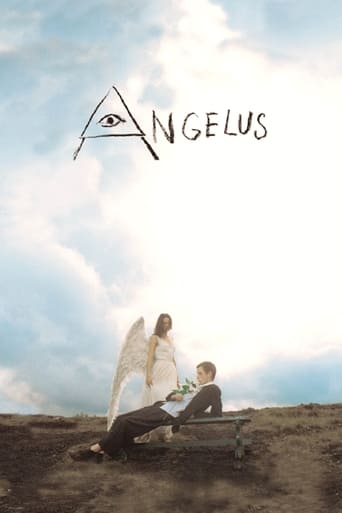
Angelus 2001
A commune built around the pursuit of spiritual perfection through the occult begins to see its prophecies come true.
A commune built around the pursuit of spiritual perfection through the occult begins to see its prophecies come true.
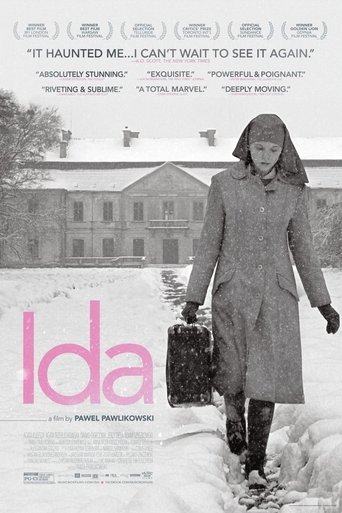
In 1960s Poland, young novitiate Anna is on the verge of taking her vows when she discovers a family secret dating back to the years of the German occupation.

Television play adaptation of Wajda's stage play of Stanisław Wyspiański's November Night. The drama takes place on two levels - historical and metaphorical. The first one is almost a chronicle of several hours of the uprising - it shows the drama of the attitudes of Poles at the beginning of the armed struggle, in confrontation with the attitude of Grand Duke Constantine, the Tsar's deputy in Poland. The second one presents the world of gods playing out their arguments. Man becomes a plaything in their hands, but it is he who experiences his fear, heroism and hope.

Portraying the events that have taken place in Polish politics in recent years.
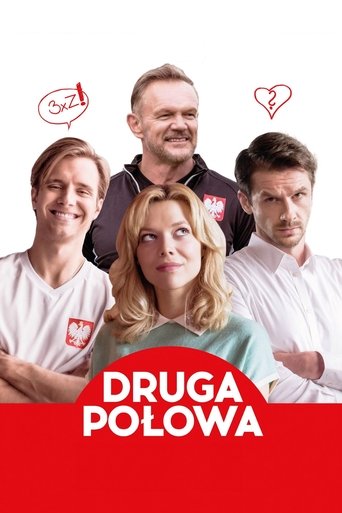
The Polish national football team manager's adult daughter is wooed by one of the team's players and a sports journalist who is critical of her father.
Rena is on the threshold of adulthood. For her and her mother, the Internet is a form of escape from their humdrum everyday lives. In the world of talent shows, Facebook and YouTube, the keyboard seems to be a gateway to fame and love. Yet the border between fantasy and reality is quickly obliterated.
Three separate stories – a mother, her teenage daughter, and a police officer – converge thanks to one event: the titular incident, wherein a dog is injured.
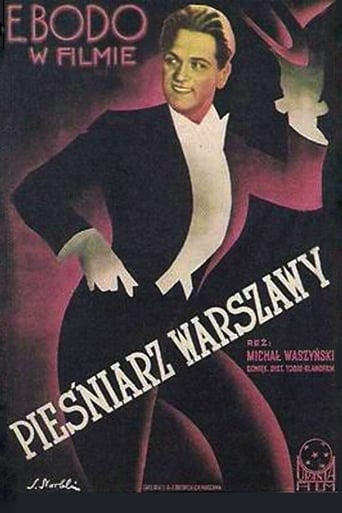
Julek doesn't want to work, he prefers to sing on the street and marry his beloved. His family doesn't want to hear about it, to which Julek sings in the voice of Eugeniusz Bodo: "That's just how cold-hearted I am..."
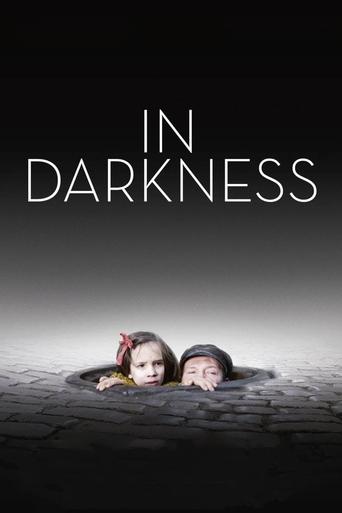
A dramatization of one man's rescue of Jewish refugees in the Nazi-occupied city of Lviv. In Darkness tells the true story of Leopold Soha who risks his own life to save a dozen people from certain death. Initially only interested in his own good, the thief and burglar hides Jewish refugees for 14 months in the sewers of the Nazi-occupied town of Lviv (formerly Poland).
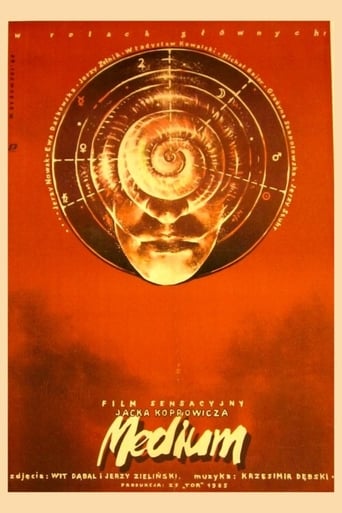
Story of four people in Sopot in 1933, mysteriously brought together to an old villa to reenact a murder ritual that took place 36 years earlier.
"I moved to the Beskids because they are beautiful, and several years of experience have confirmed my belief that it was a brilliant idea," said Andrzej Stasiuk, a resident of the village of Czarne near Dukla in the Podkarpacie region for fifteen years, in a recent interview. He knows life in the provinces inside out, having described it many times in his prose and columns. He has experienced its good and bad sides, its problems and shameful corners firsthand.
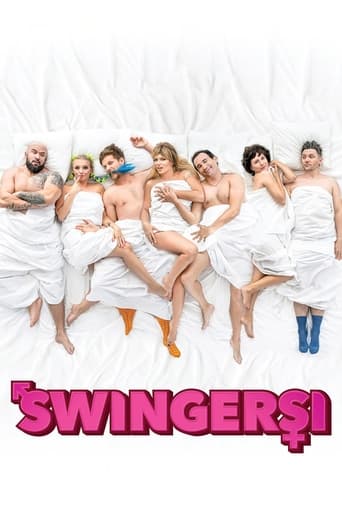
A light comedy about building relationships – with passion and funny misunderstandings. All characters of this movie are in desire for flirt.
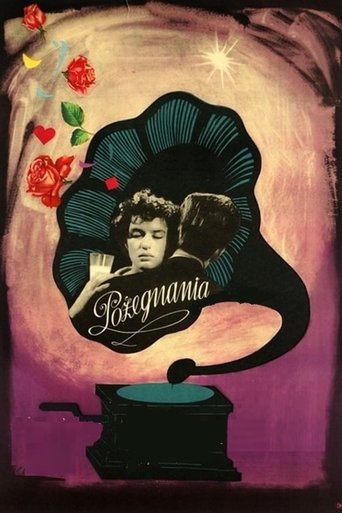
The story takes place before World War II and centers on Pawel, a member of a conservative, middle-class family, and his love for Lidka, a taxi dancer. Social conventions and the lovers' inability to defy those forces Pawel and Lidka benefit. Times change, war breaks out, leading to Pawel sent to Auschwitz while Lidka marry his cousin. Their love has survived and conventions are no longer the issue.
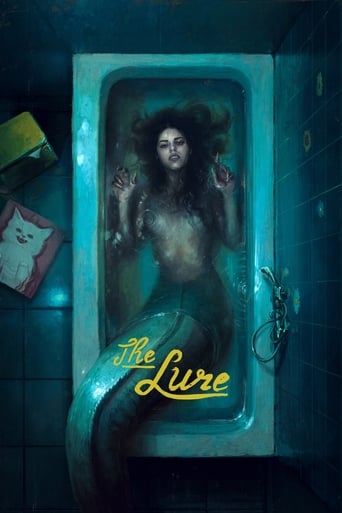
Two mermaid sisters, who end up performing at a nightclub, face cruel and bloody choices when one of them falls in love with a beautiful young man.
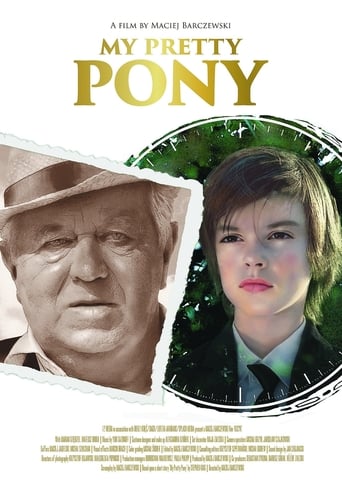
An elderly man, nearing death, gives his young grandson an unusual gift and tells him about the transient nature of time.
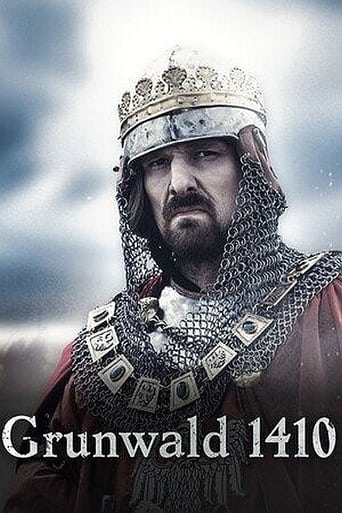
The turn of the 14th and 15th centuries in Poland and Europe was the Black Death, the schism within the Catholic Church, the agreements that united the Crown with the Grand Duchy of Lithuania, the Teutonic Order with fire and sword destroying Lithuanian and Samogitian villages and towns. In the name of conversion... Where did the Order of the Blessed Virgin Mary of the German House come from in Poland? Historians Bożena Czwojdrak, Piotr Węcowski, Tadeusz Grabarczyk and Alfredas Blumblauskas will tell the story.
A shy Warsaw university student is in love with a girl who pays no attention to him. Change comes after her intimate love letters are read publicly at a party.
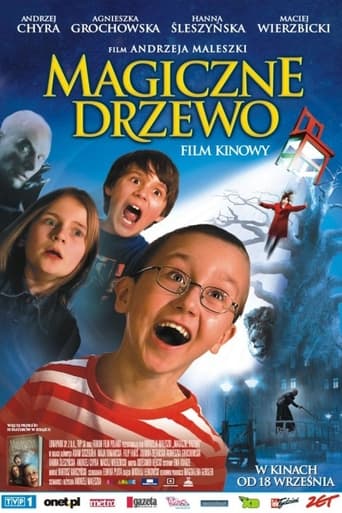
Three children stumble upon a red chair, carved from a Magic Tree. This chair will grant your every wish if you sit upon it and wish. Their first wish is of course, pizza! But then their unpleasant aunt makes an unfortunate wish about the children's parents...

Ada returns to the magical Kleks Academy to solve the mystery of her robot friend's origins, while Professor Kleks seeks answers in the real world.
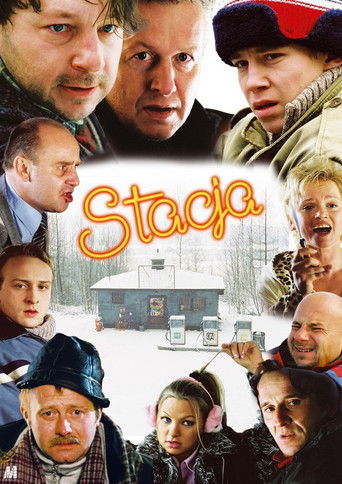
A seriously wounded gangster with a bag full of money stops at a deserted gas station.
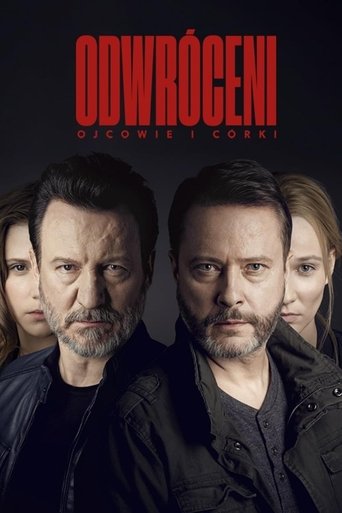
A retired policeman and a former criminal must face their past when their daughters' lives are suddenly put at risk in this gangster thriller shining a light on the dark and dangerous activities of the Warsaw Mafia.

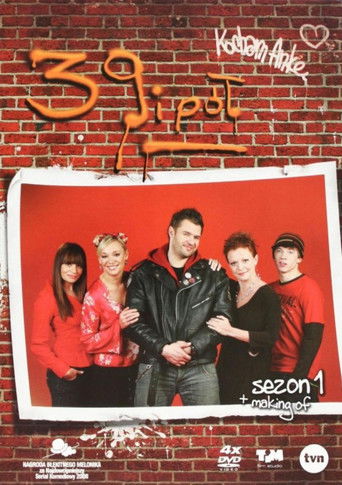
39 i pół is a Polish comedy-drama television series that appeared on TVN for three seasons from March 4, 2008 through December 1, 2009. The series tells the story about Darek, a man just before his 40th birthday who wants go back to his wife and teenage son.
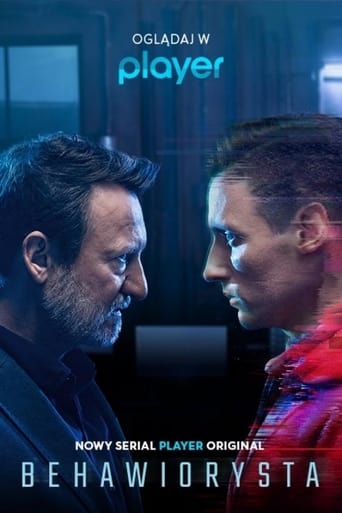
Gerard Edling is a well-to-do lecturer, an expert in kinesics (the science of body language) and a former prosecutor with vast experience. Horst Zeiger is a shy young man, an outsider, a computer geek and... a totally unpredictable murderer. When one of them intends to commit a crime, the other, known for being able to decipher any criminal and solve any case, tries to prevent it. Unfortunately, the result of their duel is a macabre spectacle, broadcast online to thousands of viewers...


4 Alternative Street was a Polish comedy TV show that was finished in 1983 and aired in 1986 due to censorship. Many famous Polish actors appeared in the series. The filming location used in the mini series was a residential complex which is still in existence at 3 Grzegorzewska Street in Warsaw, Poland. The series was a satire to the communist rule in Poland, spoken in a way that it passed through communist censorship office.
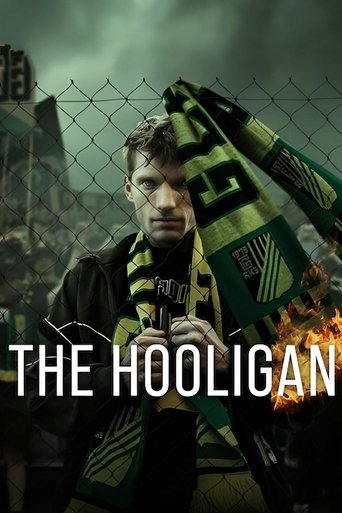
When his father is released from prison, 17-year-old Kuba finds it difficult not to follow in his hooligan footsteps. After all, football is family.
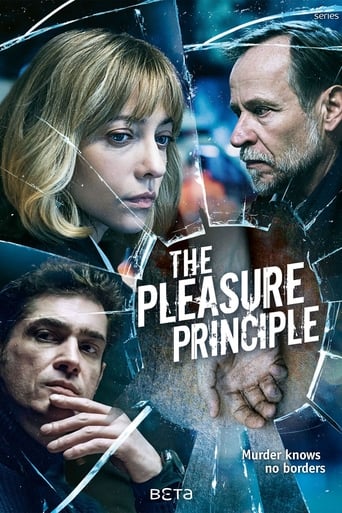
Mysterious murders has been committed in four post-communist cities: Warsaw, Prague, Odesa, and Leipzig. The investigations are carried out by three absolutely different in many aspects criminal police officers. Independently of one another, they soon come to the conclusion that all four murders are connected. Now, to solve the crimes they have to work together.
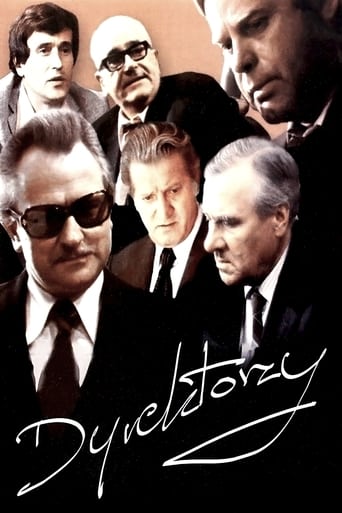
1957. Excessively high production standards imposed by the authorities result in the plan not being fulfilled, and the workers cannot imagine living normally without rewards and bonuses. A rebellion breaks out. Worker democracy wins – the working class elects a director from among its own ranks. He is an old locksmith with no managerial experience. Although he believes in the socialist spirit and has a communist past, he does not hold the position for long, as he makes promises too easily that he is unable to keep.
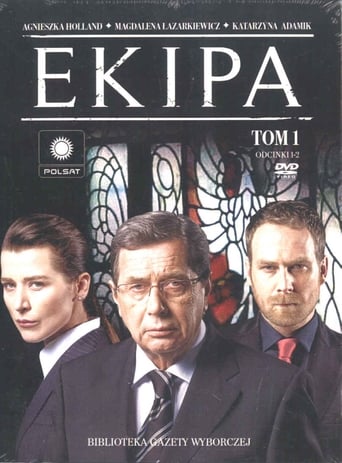
Ekipa is a Polish political drama TV series created and directed by Agnieszka Holland, aired from 13 September 2007 until 6 December 2007 on Polsat. Ekipa is the second Polish political fiction series after the 1980s miniseries The Career of Nicodemus Dyzma.


In these eight tales set across Europe, singles navigate love's complexities via an online dating site, from marital games to elderly romance.
A rock star with memory issues due to his alcoholism goes on a wild search to find his missing son.
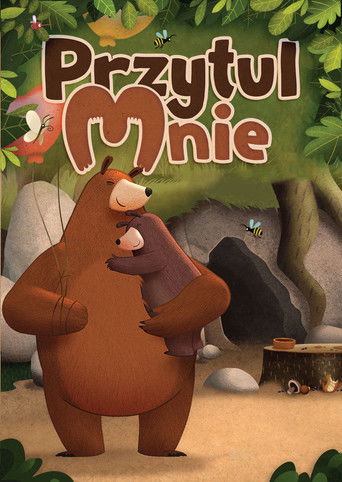
This series follows Father Bear and Teddy who live in the forest. Each moment brings a different adventure for them: no two days are the same. Charismatic yet a bit clumsy Father and caring Teddy enchant, amuse and lend a helping paw to other forest animals with the help of friendship, openness, and responsibility.
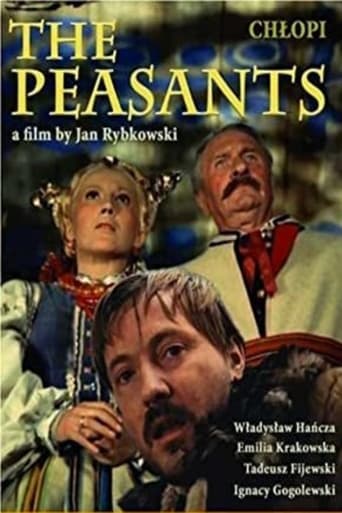
A TV adaptation of Władysław Stanisław Reymont's most famous novel, realistically depicting Polish rural life at the turn of the 19th and 20th centuries. Against the broad backdrop of rural community life, inextricably linked to the rhythm of nature throughout the four seasons, the complicated and often dramatic story of the Boryna family unfolds.


