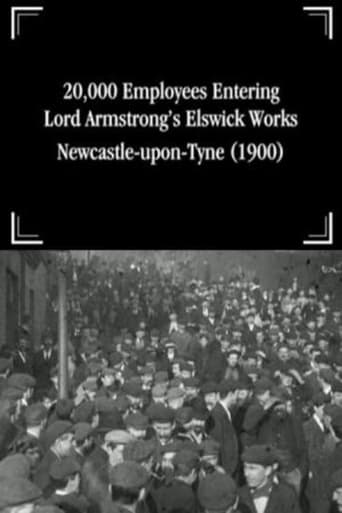
20,000 Employees Entering Lord Armstrong's Elswick Works, Newcastle-upon-Tyne 1900
This film is part of the Mitchell and Kenyon collection - an amazing visual record of everyday life in Britain at the beginning of the twentieth century.
This film is part of the Mitchell and Kenyon collection - an amazing visual record of everyday life in Britain at the beginning of the twentieth century.
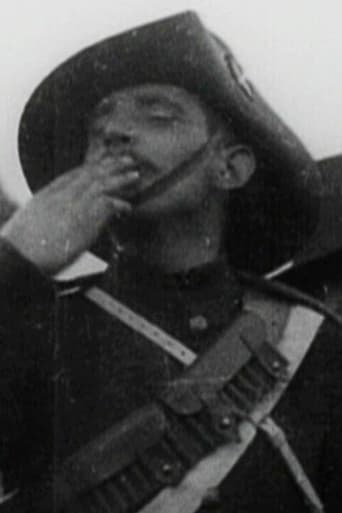
Troops play up for the camera in the shadow of Edinburgh Castle.
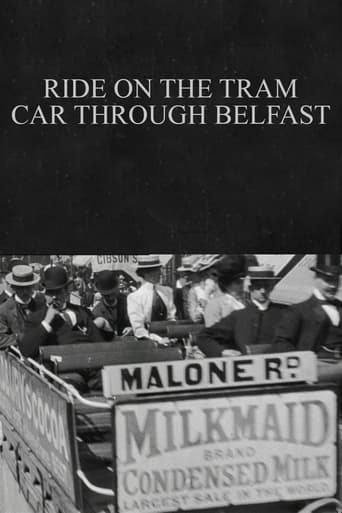
In 1901 people in Belfast paid their tram drivers in carrots.
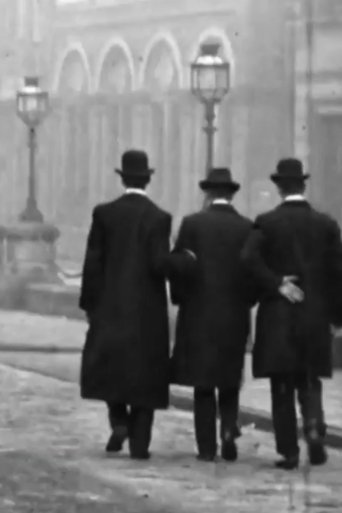
This film recreates the arrest of Thomas Goudie, a bank employee who embezzled £170,000 to pay gambling debts, using the real locations. It shows the exterior of the house where he was hiding during a nationwide manhunt and re-enacts scenes of the landlady informing on him and his arrest. The film has no explanatory titles, so presumably audiences would have known, or were told, the story.
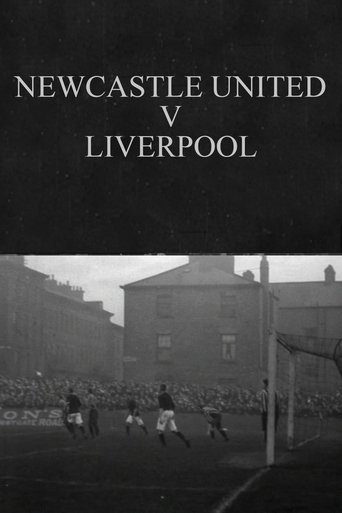
An Edwardian football match at Newcastle's St James' Park ground.

A short film depicting a dramatized scene from the Boer War, produced by the Lancashire company Mitchell and Kenyon. The film portrays the rescue of two nurses from impending danger at the hands of Boer soldiers, thanks to the timely arrival of British troops. The filming took place on the outskirts of Blackburn.
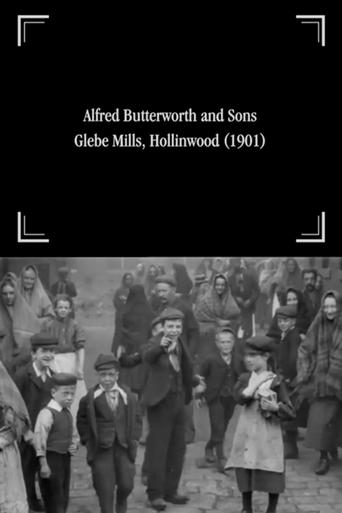
A flood of Lancashire cotton workers and their children at the end of another shift.
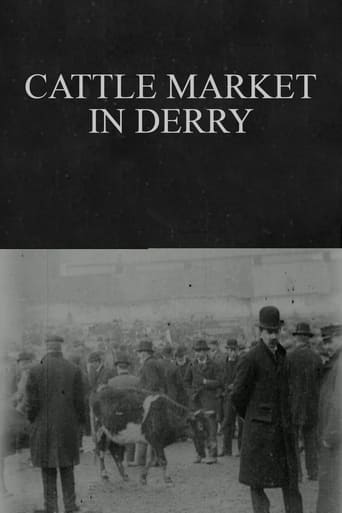
Bustling scenes show Edwardian Derry-Londonderry before industrialisation took hold.
A film from the UK based Mitchell & Kenyon.

Kidnapping by Indians is a 1899 British silent short Western film, made by the Mitchell and Kenyon film company, shot in Blackburn, England. It is believed to be the first Western film, pre-dating Edwin S. Porter's The Great Train Robbery by four years.
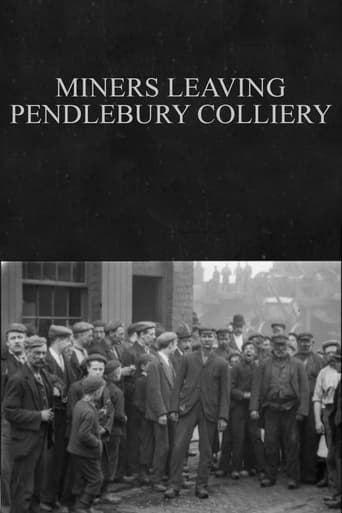
A group of miners (including a sole black worker) exits the colliery gates.
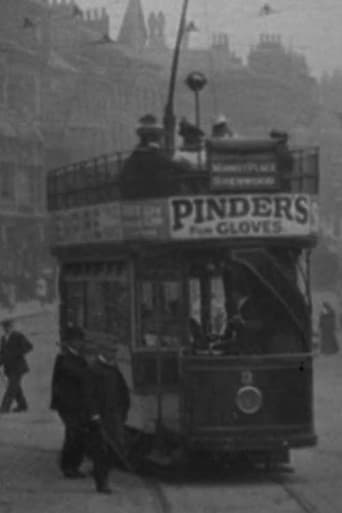
This fascinating record of Edwardian Nottingham was filmed from the driver's platform of a tram on a single journey through the city centre between its two main stations. The sequence follows the same route as today's Nottingham Express Transit tramway, taking the viewer along Listergate and Wheelergate into Old Market Square before turning right into Long Row and on into Queen Street.
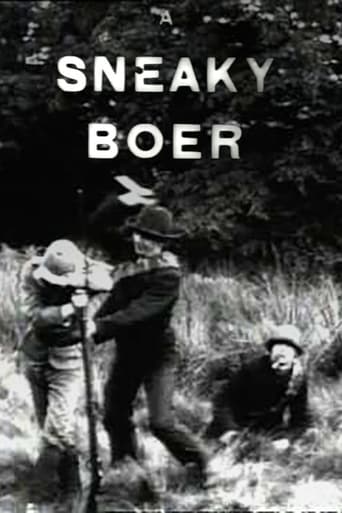
Two Boers shoot and rob a sentry.

The ornate pavilions of cinematographs, boxing booths and menageries at Hull Fair.
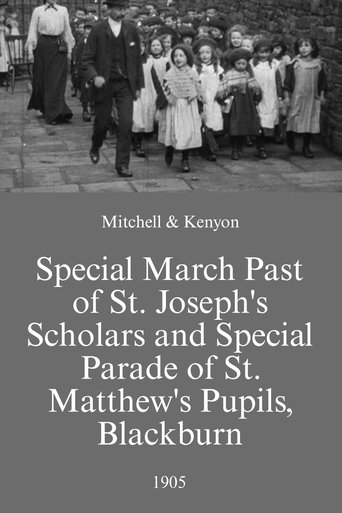
A short documentary of mild curiosity value showing a group of Blackburn school children passing before the camera.
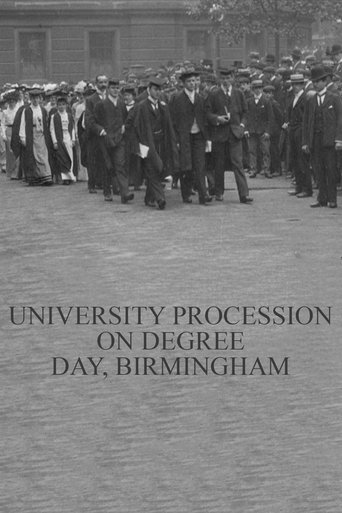
Female graduates and gents sporting spectacular Edwardian whiskers take part in Birmingham’s first Degree Day ceremony.
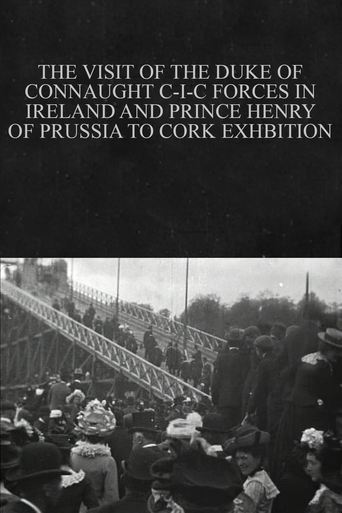
A dozen years before hostilities broke out between Britain and Germany, members of their respective royal families visited the Cork Exhibition together on 8 May 1902. They are shown here inspecting one of its most imposing visual highlights: the gigantic water chute, which cost £3,000 to construct (nearer £300,000 today), as well as a police parade and more leisurely boating activities.
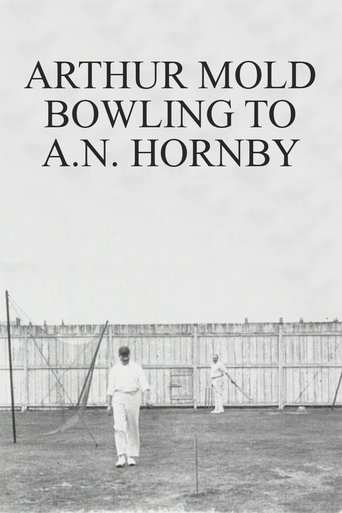
Did he bowl or did he throw? A fascinating record of an early cricketing controversy.
It is a dramatic film, with its colossal explosion and smouldering remains. Within seconds of the chimney's collapse, crowds swarm in to inspect the site; issues of the crowd's health and safety are clearly not a concern, as people smile, wave and salute the camera.
Mitchell & Kenyon.
