
Japanese Summer: Double Suicide 1967
A sex-obsessed woman, a suicidal man she meets on the street, and a gun-crazy wannabe gangster become trapped in an underground hideaway.
A sex-obsessed woman, a suicidal man she meets on the street, and a gun-crazy wannabe gangster become trapped in an underground hideaway.
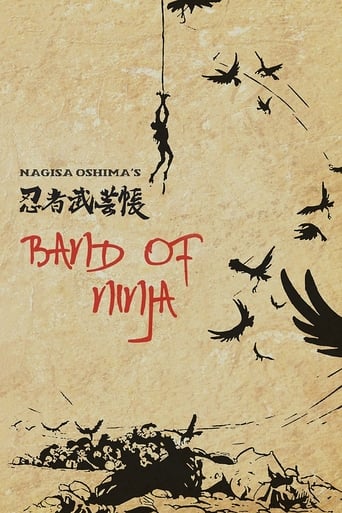
The son of an assassinated feudal lord, in the Muromachi period, attempts to avenge his father's death and meets Kagemaru, a renegade ninja helping peasants and farmers rebel against Oda Nobunaga's regime, all depicted through an experimental form of filming pages from the original manga set to sound.
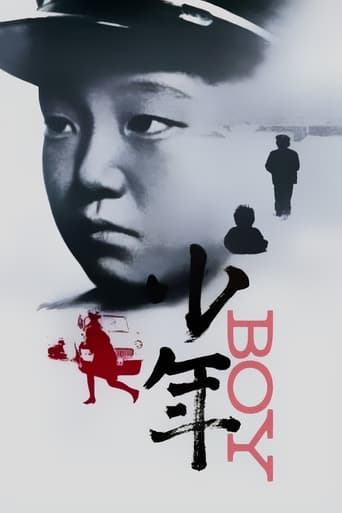
A family of four lives off of scams in which they pretend to be injured by automobiles.

Two young women must come to terms with the fact that a man they're deeply linked to is a murdering rapist.
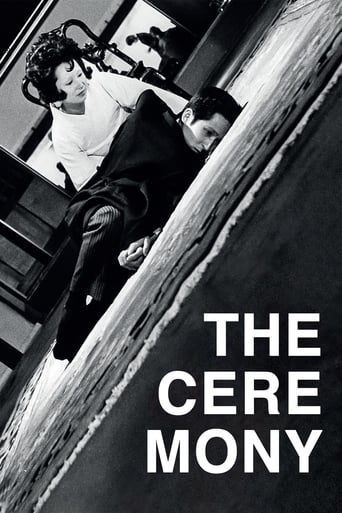
Oshima’s magisterial epic, centering on the ambivalent surviving heir of the Sakurada clan, uses ritual and the microcosm of the traditional family to trace the rise and fall of militaristic Japan across several decades.

14-year-old Sunaoko travels from Tokyo to Naha, Okinawa, with her father’s young fiancée Momoko in search of her half-brother whom she has never met. Their guide, a beer-guzzling ex-soldier, takes them to the locale’s tourist attractions, quickly delving into the underlying scars of the island’s wartime history.
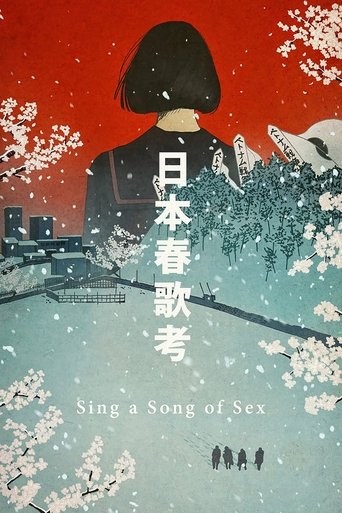
Four sexually hungry high school students preparing for their university entrance exams meet up with an inebriated teacher singing bawdy drinking songs. This encounter sets them on a less than academic path.

A Korean man is sentenced to death in Japan but somehow survives his execution, sending the authorities into a panic about what to do next.

After committing murder, businessman Atsushi is blackmailed into keeping a suitcase of embezzled money. What follows is a descent into lustful, reckless actions and regret.

Three students spend their holidays at the seaside where they are mistaken for Koreans, a minority which is looked down on in Japan. The action develops into a crime story.
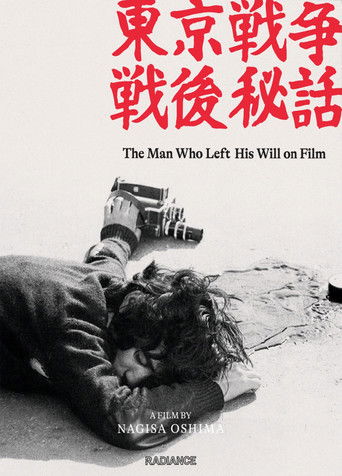
When a man chases down his stolen movie camera, the thief commits suicide by jumping off a building. But after the police take the camera as evidence, it becomes unclear if there was ever a thief in the first place.

In Tokyo's Shinjuku district, the lives of a young man prone to theft, a young woman he meets at a bookstore, and a kabuki actor intersect.
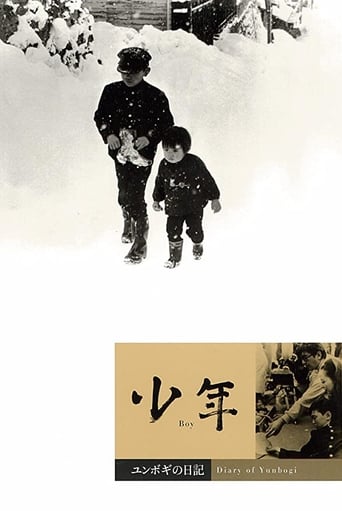
Constructed as an experimental montage of still photographs, "Diary of Yunbogi" reflects on poverty and historical responsibility through the imagined diary of a six-year-old Korean boy living in a South Korean slum. Drawing on photographs taken during Ōshima’s 1965 research trip to Korea, the film juxtaposes the child’s daily struggle to care for his siblings with the director’s own reflections on Japanese–Korean relations.
