
The Robinsons of Mantsinsaari 2009
Two men, a Finn and a Belarusian live alone, on a lake's island.
Two men, a Finn and a Belarusian live alone, on a lake's island.

A film about folk performers of Polesie and Mogilev region Stepan Dubeyko and Mikhas Basyakov.

Documentary short by Volha Dashuk.
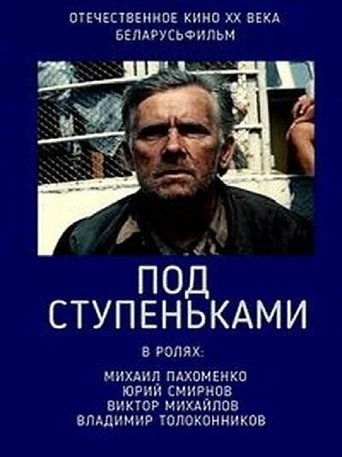
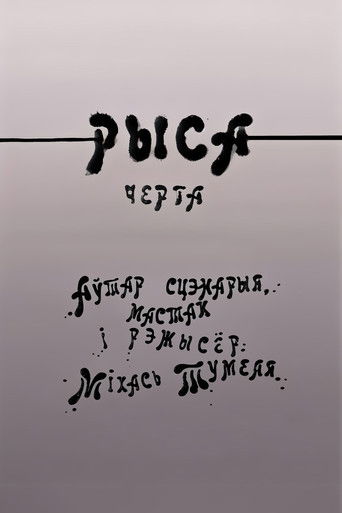
Yakov Deryabin returns from prison, where he ended up thanks to his wife, and suffers in search of work and housing. No one takes part in the fate of a kind and unfortunate man. And while he sleeps in the entrance of an apartment building under the stairs...
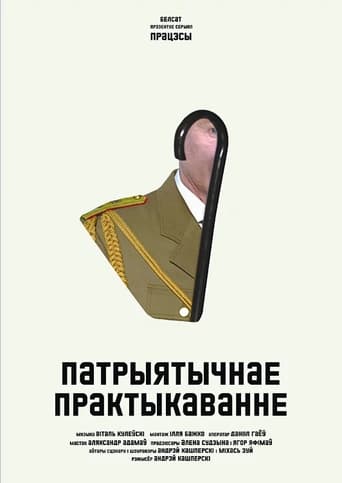
KGB officers present junior schoolchildren with a golden ticket granting a tour around the magical KGB building. There, kids are shown the supernatural working methods of the most important and patriotic agency in the country: non-contact fighting, blindfolded shooting, and telepathy. At the end of the excursion, the KGB employees give the most resilient students the opportunity to feel like real patriots and personally get a confession from the traitors to the country with the help of electric shocks.
Set in a small, typical Belarusian village – granny Sima’s only concern is for the future of her alcoholic son, Vanya. Accompanied by her best friend, a white goat called Manya, she starts a war with her neighbor, Glasha, who happens to be the village Vodka maker…
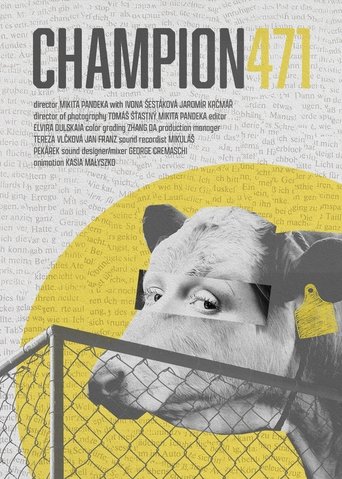
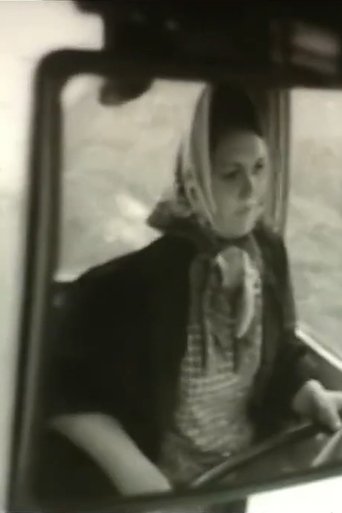
This is the film about woman's autumn. Her photo was published in numerous newspapers. She appeared on TV. She got thousands of letters with proposals of friendship and love. Some time all Soviet Union knew her. Maria is the name of a tractor heroine famous in the Soviet era, now alone in her cottage in the country.
The father of the main character is invited to the All-Belarusian People's Assembly. There, he is shaken by the hand of President Lukashenko himself. This fact causes very strong emotions in the father, as a result of which he goes on a long-term binge. During the binge, presidential elections are held in Belarus, in which the opposition unexpectedly wins. Belarus is transformed into a classic capitalist system. Worried about his father's life, the son decides to hide this fact from him.
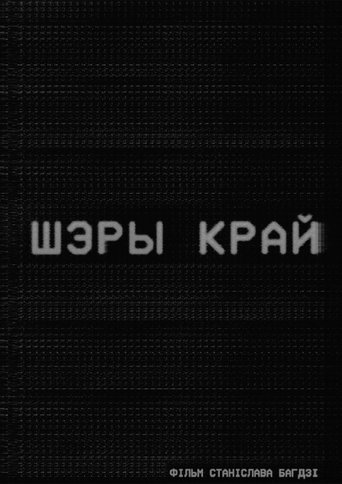
Where is this train going? Passengers are lulled to sleep by the rhythmic clatter of the wheels, familiar poetic lines about the native land, and folk songs. Is it possible to change the direction, to hop on another train, to rewind the tape? Quavering reflections dance in a strange roundelay: the grain, a girl, a stork, a bone, the truth, and the resentment... Welcome to the Gray Edge.
Set on the Kazakh steppe in 1913 under the dual oppression of local reactionaries and Tsarist rule, the story follows Botagundz, a once-ignorant girl who, inspired by the exiled Kuznetsov, awakens to revolutionary truth. Transformed into a resolute communist fighter, she dedicates herself to overthrowing the old regime and helping establish the Kazakh Soviet government for her people’s liberation.
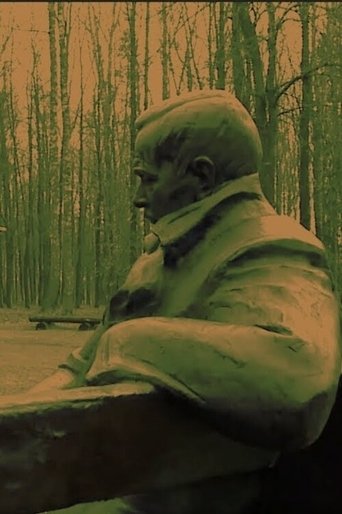
Yanka Kupala, Belarusian poet and writer, is one of the spiritual symbols of Belarus. He did everything to make Belarusians feel like a full-fledged people. This is a figure that cannot be reduced by anything from the height of modernity. But the weight of recognition, inclusion in the ranks of the classics leads to petrification of the face. The authors of the film remove this petrification - verses sound throughout the film. Patriotic songs that sing the praises of Belarus and our people, awaken them from historical apathy and eternal longing. Mystics who whisper about the revival of the past that sleeps in the mound. And intimate and lyrical, filled with intimate beauty, eternal sensuality and lust for life.
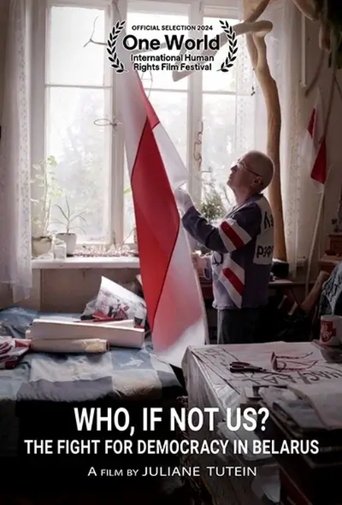
In 2020, the biggest protests against the government to date formed in Belarus. The protesters were met with violence and restrictions, many of them were given draconian prison sentences. A dangerous climate that sought to nip political activism in the bud took hold. For “Who, If Not Us? The Fight for Democracy in Belarus,” Juliane Tutein filmed and researched for three years in a country that had not seen a change of elites with its supposed independence in 1991. She discovered mainly women at the forefront of the courageous protesters. This portrait is dedicated to three of them: Nina Baginskaya, in her mid-seventies and active in the fight for an open Belarus since the 1980s, Tatsyana “Tanya” Hatsura-Yavorskaya, founder of the human rights film festival “Watch Docs”, and Darya Rublevskaya, the youngest at 22, who works for the “Viasna” human rights centre founded by Nobel Peace Prize laureate Ales Bialiatski.
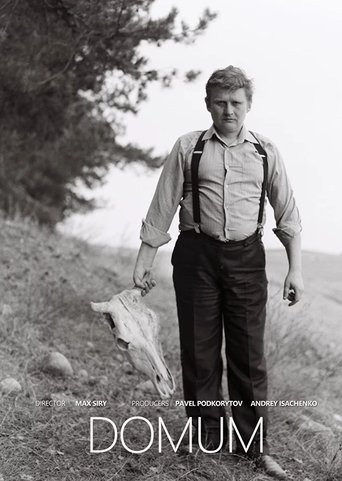
This nonfiction film captures a few days in the lives of two strikingly different people who have only one thing in common: Belarus, their country of origin. Misha is the first one. He lives with his mother and stepfather in a village called Podorosk. Misha is a history teacher, regional historian, and the founder of a local history museum. He educates children and loves his homeland. The other one is Edik. A travesti performer, a journalist. The founder of the first LGBT community in Belarus. He was forced to leave the country and now lives in Kyiv. Edik entertains young people and holds no particular love for his motherland.

The complex life of simple figures.
Everyone in the yard knows the eccentric Oleg, but no one knows where he goes on his two-wheeled tractor...
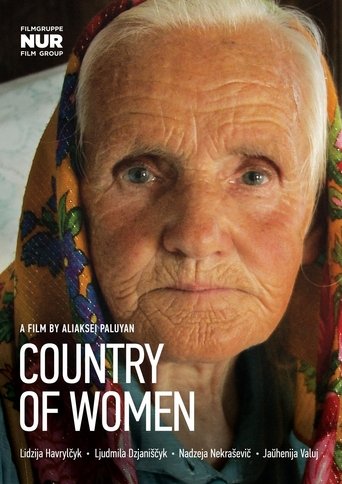
The Belarusian village Lubeiki is inhabited solely by women. They not only outlived their husbands, but their children as well. Nevertheless, they have immense vitality and will to live. In the words of one of the main characters, "life is short, but sweet." In the film, they sift through their memories and share with us their wisdom.
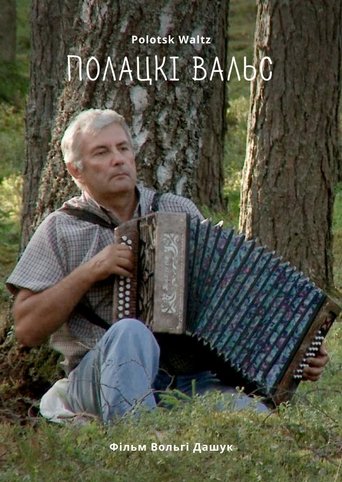
Vasil Granouski is 58. He's living in a village, where he leads a local choir. It consists of only elderly performers. The harmonic Vasil plays is also old, and it lacks a couple of keys. His car, in which he drivers the singers around, is faulty and doesn't always start.
