Shaihu Umar

Shaihu Umar 1976

1

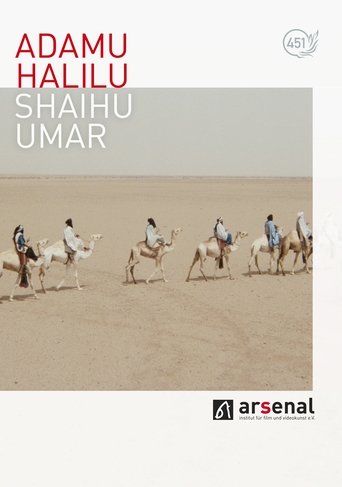
Set in northern Nigeria towards the end of the 19th century, Shaihu Umar begins with a discussion between Islamic students and their renowned teacher, the wise man Shaihu Umar. Asked about his origins, Umar begins to tell his story: he comes from a modest background and is separated from his mother after his father dies and his stepfather is banished. His subsequent trials and tribulations are marked by slavery, and he is put to any number of tests until he finally becomes the adopted son of his Arabic master Abdulkarim. He attends Quranic school and is made an imam upon reaching adulthood. Following a particular dream, he resolves to search for his mother.

1976

My Beloved/Titanic

My Beloved/Titanic 2003

1

Nigerian version of the classic Titanic movie made by James Cameron, the movie is filmed with video footage of abandoned warehouses and ships at Lagoos Nigeria. Also with archive footage from the Titanic movie from 1997.

2003

Marked

Marked 2019

8.00

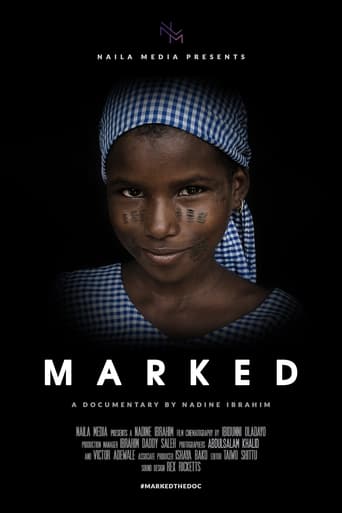
This documentary explores Nigeria's cultural practice of marking, including its origins and meaning as a symbol of identity, beauty and spirituality.

2019

Fear And Water

Fear And Water 2024

1

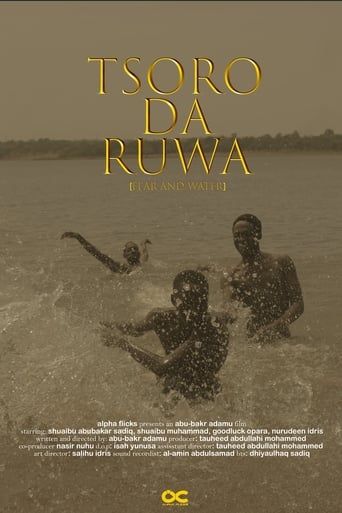
Ibrahim navigates through his phobia to sounds made by water. He eventually faced it when he visits the river again with his friends.

2024

Blood and Henna

Blood and Henna 2012

1

2012 Nigerian film directed by Kenneth Gyang, starring Ali Nuhu, Sadiq Sani Sadiq and Nafisat Abdullahi that received 6 nominations at the 9th Africa Movie Academy Awards, and won the award for Best Costume Design. The film narrates the ordeal of the 1996 Pfizer Clinical Test in Kano, Nigeria.

2012

R

R 2020

4.70

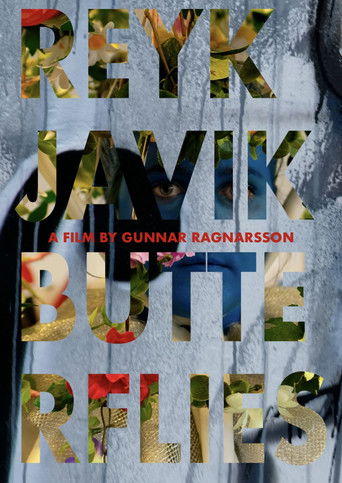
The idea for the project “Reykjavik Butterflies” was originally to create a narrative based film about art groups in Reykjavik. There were many artists that took part in this project, like musicians, street performers, illustrators, designers and filmmakers. They were alway presenting and performing new things every week. The most known art group was the street theater (“Götuleikhúsið”), like always their performance was impressive. Many artists that participated in the project are musicians. I chose three of them and used their music in the film. When I was halfway through filming, the idea changed into an experimental film. I decided to try to combine all of my filming and editing styles. I also experimented with new styles that I have never used before.

2020

Blaming the Innocent

Blaming the Innocent 1992

1

One of the last celluloid films created during the rise of the Nollywood film industry. Film adaption of the homonymous novel written by Umaru Danjuma Katsina in the early 80s. Set in post-independence northern Nigeria the film traces a teenage girl’s descent into an illicit human trafficking ring, dedicated to the sexual exploitation of school girls by the country’s political rich.

1992

Fati’s Choice

Fati’s Choice 2021

1

A beach reminds us of Fati’s recent past. She came to Italy by sea, without papers, pregnant for the fifth time. Longing for her children, she returned to Ghana six months later – without her husband. The people around her can’t understand this decision. “You’ve created a mess,” a friend says. “How do I tell people?” a sister asks. But Fati wants to provide for her family, even though she still has to liberate three of her children from the custody of her in-laws.

2021

Tatsuniya II

Tatsuniya II 2020

1

A group of students at the Shehu Sanda Kyarimi school in Maiduguri, Nigeria develops surreal tableaus using children’s games, poetry, and exercises from a physical education book for secondary school students.

2020