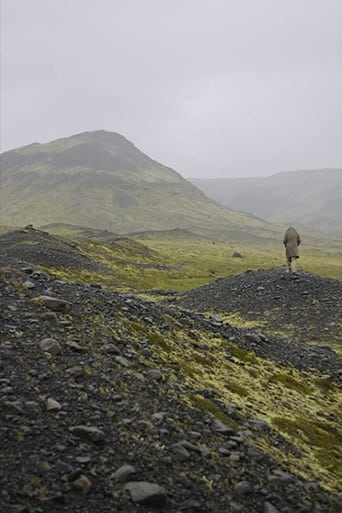
Babybird, Unborn 2011
In an unknown place a young boy dreams of a better place for him and his mother, but everything changes once a stranger arrives.
In an unknown place a young boy dreams of a better place for him and his mother, but everything changes once a stranger arrives.

When a desperate filmmaker gets an unexpected job as a wedding cameraman, she accidentally uncovers several secrets between the bride and groom.
The river Laxá in Laxárdal valley is considered to be one of the best rivers in the world for brown trout. It is definitely the best in Europe and anglers from all over the world come there year after year for fishing. This film is about one such man called Art Lee, a well known sportswriter from U.S.A. He has come to Iceland for many years to enjoy fishing for the Laxá brownie.
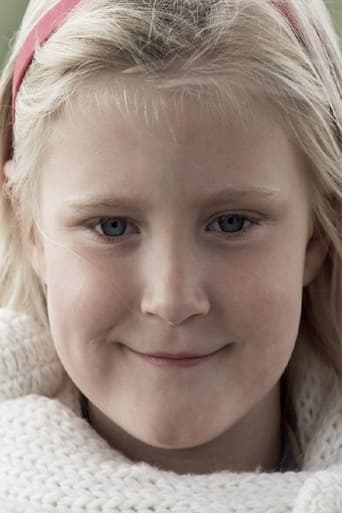
Three children take their grandfather to the graveyard to visit their dead grandmother. When they find out that granddad is tired of living and is actually waiting to die the children get confused, especially the youngest one. Granddad has to find a way to explain to her that death is not the worst thing in the world, which starts a chain of bizarre events. This becomes a learning full experience for the youngest one, even though it leads to a tragic ending.
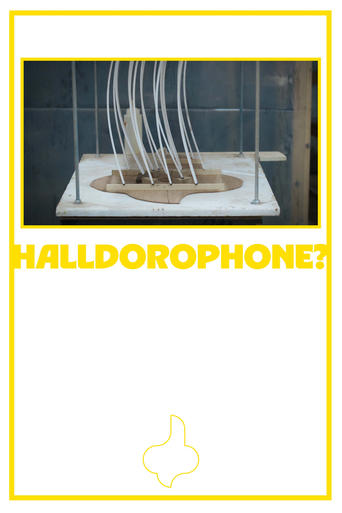
A journey exploring the Halldorophone, a search for its creator and the encounter of the inevitable nonsense surrounding this odd instrument.
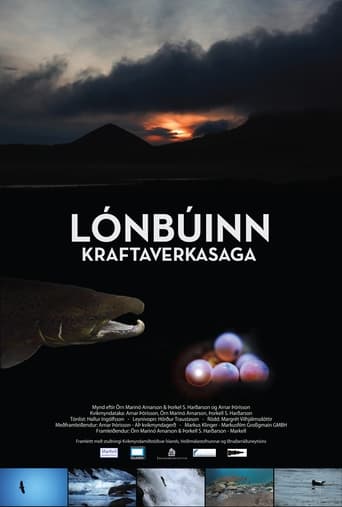
A lyrical documentary on the miraculous lifespan of the North-Atlantic Salmon. Shot in pristine Iceland in and around one of the few rivers in the World that are home to the migrating Salmon and have not been manipulated in any way. No dams - no salmon fry stocked by man - everything in the river regarding the Salmon is untouched by man. In these unspoiled conditions the filmmakers shot hundreds of hours over a period of more than two years. Now the fruit of their labor is in your hands - prepare to immerse in the beautiful world of the North-Atlantic Salmon. Be one with this magnificent creature - swim with the Salmon - die with the Salmon and experience the rebirth through the next generation of the King of fishes.

A documentary by Ásthildur Kjartansdóttir focusing on two Thai women who originally came to Iceland to work in the fisheries but later settled with two Icelanders in the Öxarfjördur-region in the North-East of Iceland, one of them a shop-keeper and the other a sheep-farmer. The film not only shows daily life in rural Iceland near the Polar Circle but also the couples' trip to Thailand where life and surroundings are dramatically different to Öxarfjördur.

Iceland looks towards Norway with horror: Salmon rivers are dying, fishermen fear the hook on the door and local communities are in danger. Now, one chance is pointed out to save the fishing.
I think she’s a Musungu is a documentary about 8 years old Erna Kanema. She lives in Reykjavik with her Icelandic mother, Zambian father and little sister. She takes her Icelandic grandmother and uncle’s family on an adventurous trip to Zambia to meet her relatives there. Erna Kanema reflects on her identity as a white, black or brown girl.
The documentary film about Steinunn Sigurðardóttir, captures her way through life, creative works and aspect towards life. Her life, works and visions are special in many ways ever since she started at 17 years old as a journalist at one of Icelands biggest newspapers. Then she became a radio and television host; poet, writer of fiction, author of television plays, writer of biographies; a spokesperson for nature protection and the importance of how our behaviour today can be crucial for the future of life on Earth.

Documentary film on Icelandic Leadersheep.
The story of Iceland’s oldest boys band, Studmenn, is truly remarkable and is told here from childhood till ripe old age.
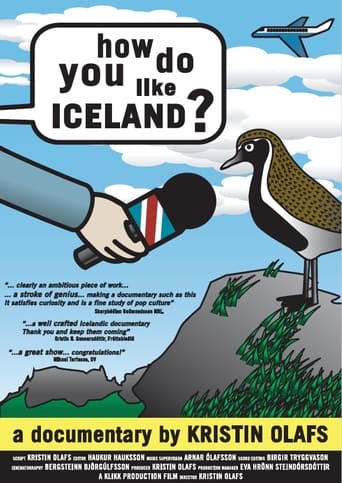
How do you like Iceland? is a documentary about foreigners' perception of Icelanders. The film is mainly based on interviews with 37 foreigners from 9 countries who come from the world of art, sport, business and politics. Many humorous questions and interesting topics arise when the Icelandic nation is examined through the eye of the foreigner: Do foreigners think of Reykjavík as Bangkok of the north? Are the Icelanders an isolated and inbred nation? Or rather special and like no other? Is Icelandic inventiveness fit for export? Is the "pure and unspoiled" nation itself environmentally friendly?
