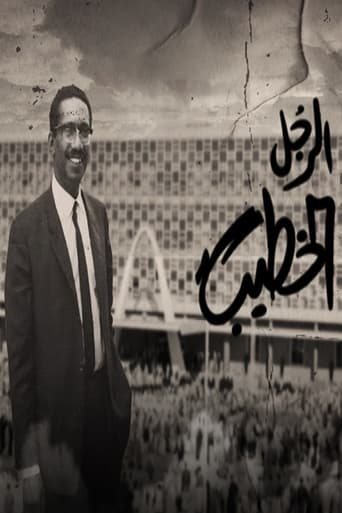
The Khatib Man 2022
A documentary film on the history of the political struggle in Kuwait, narrated by Dr. Ahmed Al-Khatib.
A documentary film on the history of the political struggle in Kuwait, narrated by Dr. Ahmed Al-Khatib.
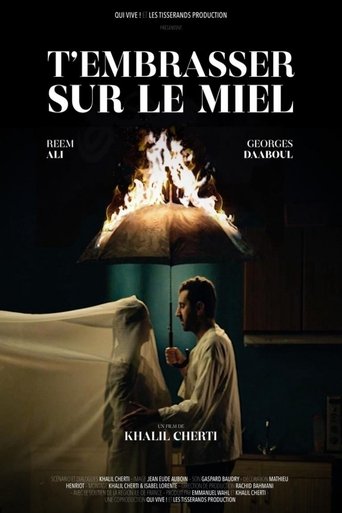
Siwam lives somewhere in Syria. Rawad lives somewhere else in Syria. Despite the chaos, they decide to communicate by sending each other videos. By witnessing the home movies they made for each other, we discover their connection and the world they create.
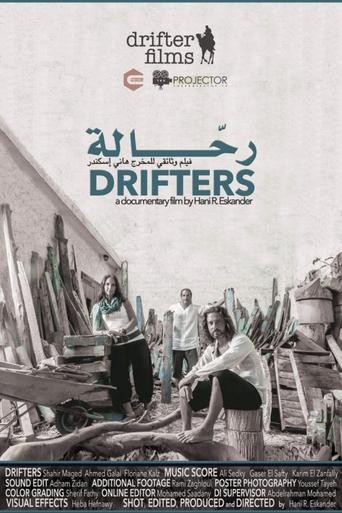
a story of an orthopedic surgeon from Agami and how his close relationship to the sea , philosophy of life , firm principles and passion for woodwork led him to rediscover his true potential away from what most societies call success routes . On his journey he encounters kindred spirits who flock together in pursuit of happiness , freedom and self - expression .
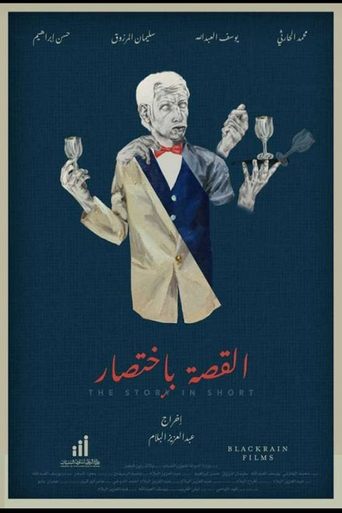
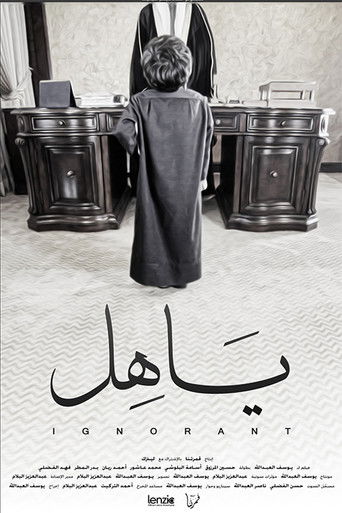
It’s a big day for seven-year-old Hussein. He gets up early and instructs his driver to take him to the Ministry of Finance, where he insists on meeting with the Minister in order to ask him a Very Important Question.

A phone call tells Hamad to leave the house before the invaders come, but they have arrived before he can escape.
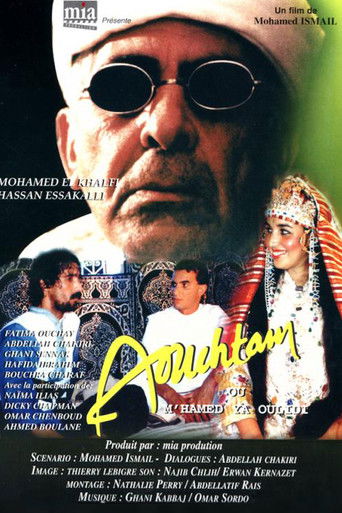
Towards the end of the 1940s, in the midst of the struggle against Spanish colonialism, in the village of Aouchtam, lived the family of El Hadj, an old man suffering from blindness. He lives with his two sons and his last wife Aïcha. He suspects the latter of loving one of his sons. After an operation to restore his sight, he returns home, pretending to still be blind...
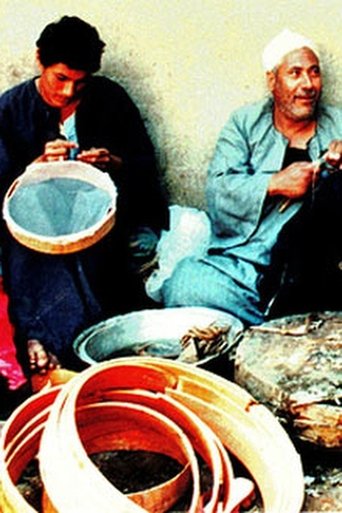
This film examines the Egyptian rural craft of making a sieve called ghurbal (from the Arabic ghurbal meaning “to winnow” which is used to both “winnow” babies on their seventh day of life and to winnow grains for making ceremonial dishes, particularly kouskousi. Embedded in this material culture artifact are layered meanings of creative regeneration of the cosmic and human worlds. We visually follow the material process from tree log cutting to making the tara (ghurbal frame), to ghurbal crafting, through the voice and image of two key persons: Na’ima, the craftswoman and owner of the frame shop, and Hoksha, the rural ghurbal craftsman. The ethnographer/filmmaker engages them to speak and we are drawn into their lives by their stories as we view self-confident mastery of their craft. While Hoksha relates how he has kept this child from his father, we see his son next to him making a modern flour sieve, having never learned the family tradition.



From their 'Purple House' in the South of Lebanon, French-Iraqi director Abbas Fahdel and his Lebanese wife, the painter Nour Ballouk, start exploring a multifaceted country that seems to be on the edge of the abyss.
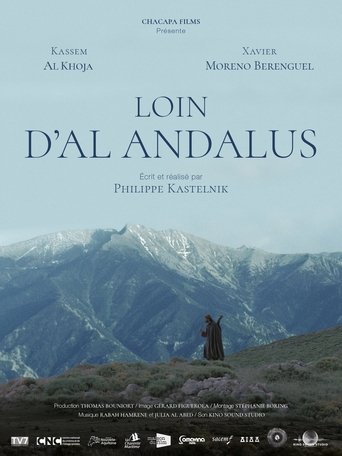
Late 10th century. A traveler crosses the mountains, far from his home in Cordoba, capital of the prosperous Caliphate of Al-Andalus. He sings to his beloved. He is followed by a bird of prey. He meets a mischievous shepherd for whom he plays the oud. But the shepherd is most interested in his flute
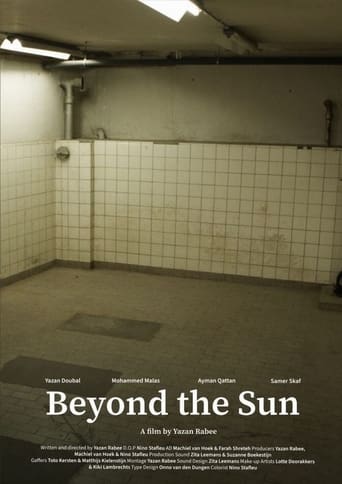
A young, new guard begins his shift in a detention center with a bad reputation. The guard changes from a human, benevolent person to one who has no morals. Beyond The Sun is a short fiction film about the inhumanity of Syrian detention centers and the "inhumanity" of the guards.