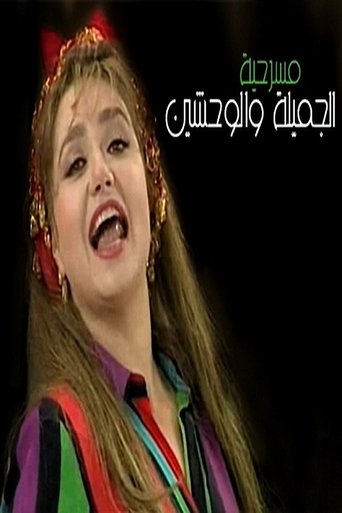
El Gameela Wel Wa7sheen 1996
Director: Hussein Kamal (Director) Amir Shaker (Executive Director) Writer: Youssef Maaty (Writer) Cast: Layla Olwi Mohamed El Sawy Hagag Abdel Azim Ahmed Rizk Ibrahim Yousry Hanem Mohamed
Director: Hussein Kamal (Director) Amir Shaker (Executive Director) Writer: Youssef Maaty (Writer) Cast: Layla Olwi Mohamed El Sawy Hagag Abdel Azim Ahmed Rizk Ibrahim Yousry Hanem Mohamed
When Masoud Al-Mawardi gets hysterical, his family commits him to a hospital. When he is released, everyone starts to be wary of him. His nephew wants to marry his cousin because he knows his uncle Masoud is rich, and he plots to send him back to the hospital.


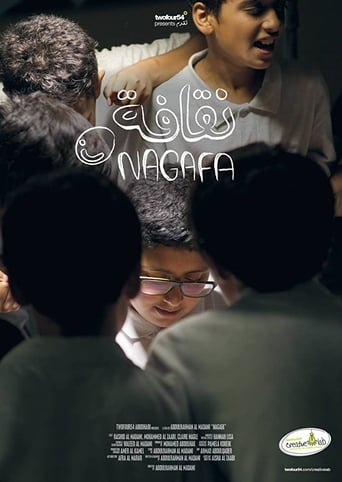
Known as Nagafa (Booger) among his classmates, 10-year-old Ahmad tries to overcome peer intimidation caused by the class bully, Omar. In spite of the supportive vibes around him, only Ahmad can save himself when he lands in a troubled situation.
A history of Lebanon’s Shiites, based on personal writings and memoirs. The film retraces the twelfth sect’s journey through Jabal Amel, the Bekaa Valley, Mount Lebanon and Beirut, while while exploring the major events and factors that influenced a people’s existence.
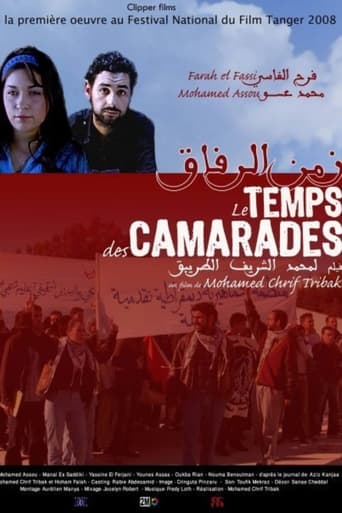
Northern Morocco. Beginning of the 90s. With his Bac in hand, Rahil decides, against the advice of his family, to continue his studies at the University. There she discovers the growing influence of the Islamists. A handful of union activists are trying to resist. Said, a brilliant student, until then on the sidelines of the movement, decides to conquer it, to throw himself with all his might into the fight ... Fallen under the spell, is Rahil ready to commit in turn?
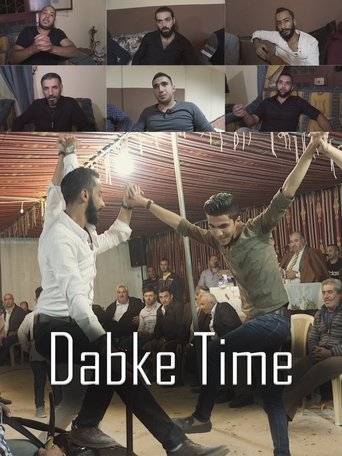
"Dabke Time" explores the background of the Dabke dance and specifically the Lebanese Dabke. Flimmaker Roshdi Alkadri interviews several subjects across two different villages in Lebanon to find out more about this popular dance
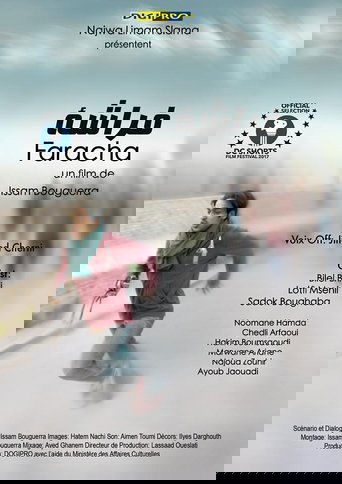
A small conservative city young man with passion for filmmaking, enrolls in a photography contest to be admitted to a film school, his contest subject doesn't sit well with the locals.

this movie talks about the people who earn their living day-by-day in Cairo.

The arrival as Syrian refugees in Norway turns into a new beginning with challenges for a Syrian man and his young son.
A documentary approach that explores a sensitive subject in a shocking way. Do we investigate the horrors we face in our societies, or stay in denial?

A journey into a strange new world. Director Qamar Abdulmalik relies on collective memories of advertisements, familiar yet artificial, to create the atmosphere of a “dream”. In that space, he renders the complex realities of nationality, country, and home.
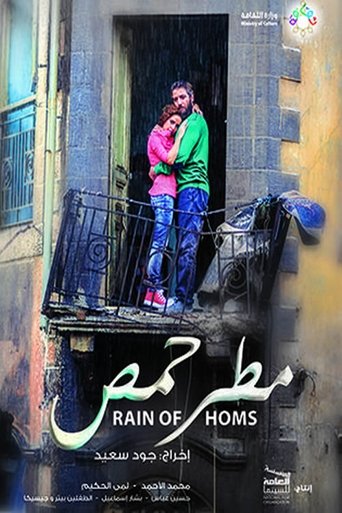
Homs, the hero of the story, its old city wrote the story of Youssef and Yara in their search only for life, nothing but life, during the siege that lasted for a hundred and a few days. They did not choose to stay, did not choose the war, they fled from death so it searched for them.
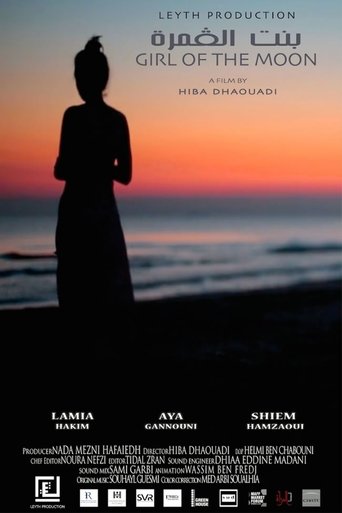
Lamia, Aya and Siham suffer from the rare disease called "Xeroderma Pigmentosum", the film shows their monotonous daily lives, how each accepts their illness differently, and how each has chosen to challenge reality.


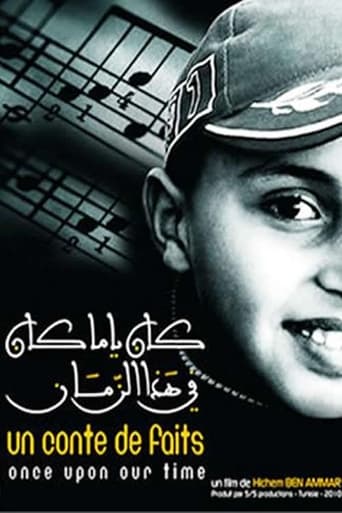
In a popular suburb of Tunis, a fanfare trombonist dreamed that his son, Anès, would become a great musician. Appropriating the father's dream, the child has developed extraordinary skills in the practice of the violin. He won several competitions and finally gained access to London's prestigious Yehudi Menuhin School. The film traces the stages of this extraordinary journey, the obstacles that Anès encounters, his evolution during his exile in Europe.

In this installment of Cabaret Crusades, which covers the 46 years from the end of the First Crusade, in 1099, to the beginning of the Second Crusade, in 1147, a cast of more than a hundred 200-year-old string marionettes from the Lupi collection in Turin enact Shawky’s highly original approach to staging and filming history; the puppets represent actual historical figures, and the project was filmed entirely in a church in Aubagne according to a cinematic shot breakdown.
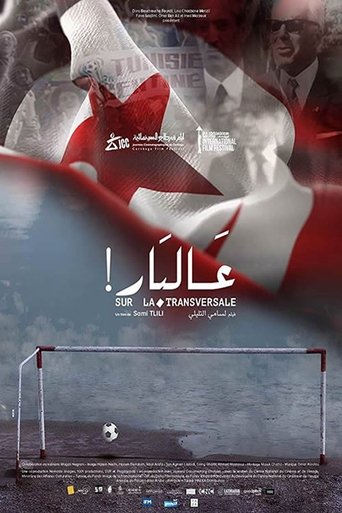
For Tunisians, 1978 is forever linked to the memory of the famous national soccer team and its "epic journey to Argentina." It's a myth that marked my childhood, accompanied by an intriguing question: Why did my mother refuse to watch soccer? What if 1978 wasn't just about soccer?
