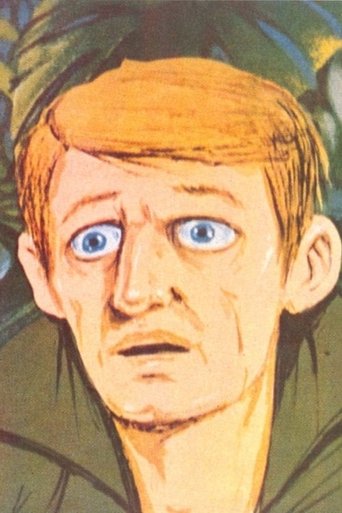
The Nightmare 1985
An accident with incalculable consequences triggers the "nightmare" of a pilot whose aircraft is carrying dangerous cargo.
An accident with incalculable consequences triggers the "nightmare" of a pilot whose aircraft is carrying dangerous cargo.


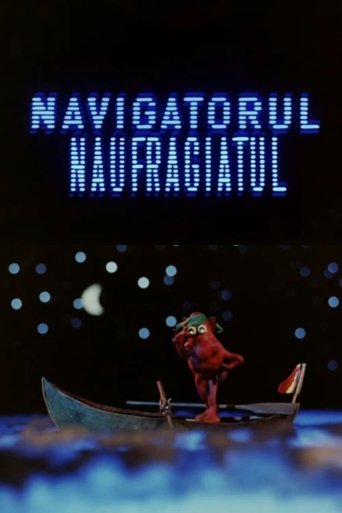
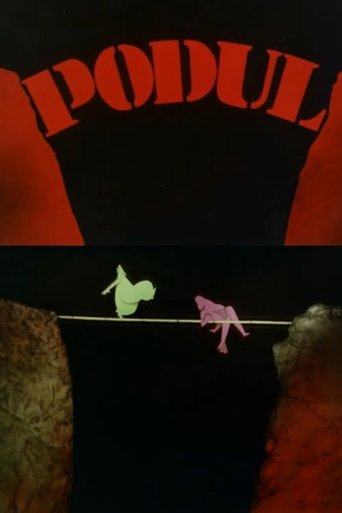
Two characters separated by a deep gulf strive to build a solid bridge between the two sides.
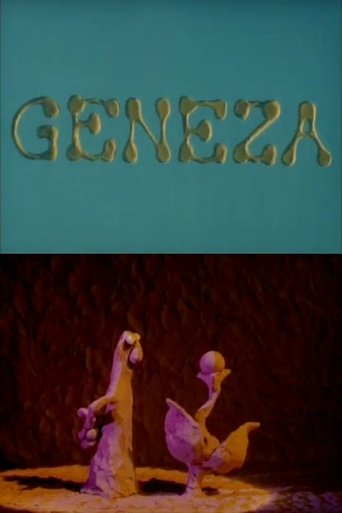
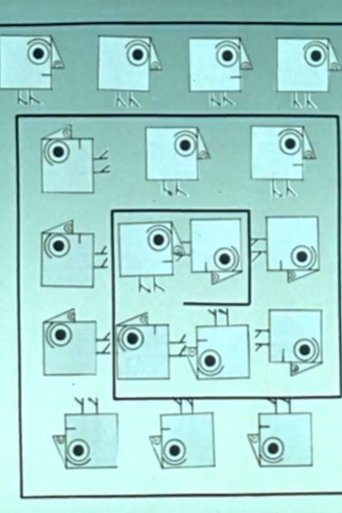
A modern parable about the man who learns to build walls and houses.
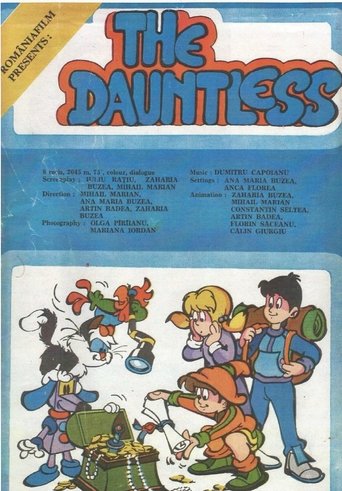
Nela, Vic, Bogdănel and Mihai go through a series of adventures with the innocence of childhood.

Monk, the manager of a hotel in Cocos Island, throws bottles into the sea containing a fake treasure map of the island in an attempt to attract tourists.

After an interview, Ana misses her best friend. Yet the past they've shared together means more than just a friendship.

Filmed in six countries during fifteen years , "The Last Transhumance" takes us into the world of shepherds who walk with their animals very long distances in search for food: an ancient way of life not compatible with the modern world.
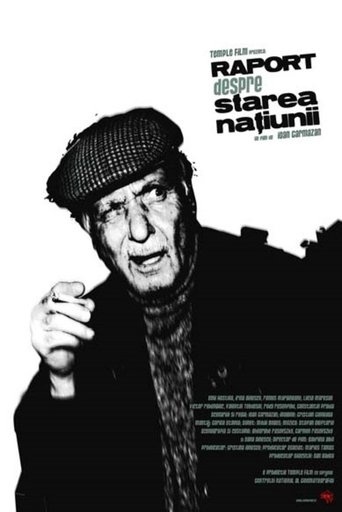
Companion short film for Erika Isac's album of the same name.
Multiple kinds of "judicial experiments" (re-enactments) are presented, their purposes and procedures being revealed throughout the film.
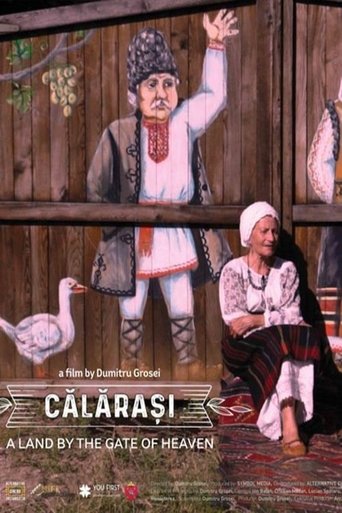
Sganarelle finds himself in a situation as difficult as it is ridiculous: he is an aging man pursuing a very beautiful yet libertine young lady, with the intention of marrying her. Sganarelle is wealthy, whereas she, Dorimena, comes from a poor family. How hard it is for our bachelor to part with his comfortable and well-off freedom! How afraid is he to break his cycle of sadness and take a step to happiness?
25 years after her parents' wedding, a filmmaker discovers the VHS recording of the event. By watching and rewatching the images, she tries to discover more about her family, but eventually finds herself trapped in a world of hidden memories.
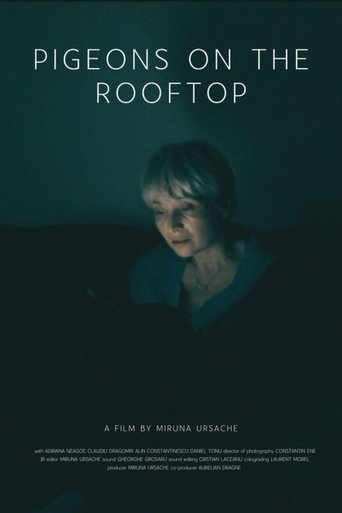
In a quiet Bucharest suburb, Edith and Stan lead an unremarkable life – until Spiridon, the building handyman, stirs their routine with a startling revelation: their new neighbor, Anilov, breeds pigeons that are not what they seem. As Edith, a fervent believer in conspiracy theories, becomes increasingly obsessed, her imagination spirals out of control, blurring the lines between reality and paranoia. Meanwhile, Stan, a man of reason, struggles to anchor her in logic, navigating the growing conflict between belief and skepticism.
Like Márta Mészáros, Florica Holban experienced losing her parents and institutionalization first-hand as a young child, which later triggered her long-term interest in the lives of the children growing up in state care. Holban’s Who Is to Blame? has something else in common with Mészáros’s Let All the Children Smile: they both include sequences filmed at the same orphanage in Bucharest (Orphanage No. 6)—Mészáros in the mid-50s, Holban a decade later. The two films also share a certain discretion regarding the role of the State, which assumed parental responsibility for children abandoned or separated from their parents. Here, both directors allow, albeit only briefly, the lonely and deprived children to appear as individuals with their own histories and traumas. Unlike Mészáros, however, Holban approaches her topic through a judicial lens: numerous sequences from her film were shot at the Tribunal, and the film credits a prosecutor as a consultant.

