Valea Jiului - Notes 2018
This video essay deepens loneliness, poverty and depression by developing the tragic story of a boy from the Jiu Valley who commits suicide because of his mother’s absence.
This video essay deepens loneliness, poverty and depression by developing the tragic story of a boy from the Jiu Valley who commits suicide because of his mother’s absence.

In 1917 a village which lies directly on the front line at Marasesti is evacuated. One of the few who decide to stay is an old man together with his 12 year old granddaughter named Mariuca. The girl befriends a Romanian radio operator who had set up an artillery observation post in their yard.

A rural experiment filmed with an 8mm camera captures the Transylvanian landscape around the town of Beius. Blurred lines, warm colors, depth of space, and soothing scenes: the impression of an oil painting is disturbed by the agitated camera movements, vertical swoops, image inversions, and overlaying of shots.
This celebratory ode to the life of the potato explores the structures and shapes of the root vegetable with a monumental orchestral accompaniment and the help of a dynamic camera. Dazzling rays of sunlight penetrate the wicker incubator and illuminate in backlight the impressive tangle of roots and wrinkled skin of the agricultural crop.
A shocking testimony of the times when Romania was a giant prison fenced with barbed wire and guarded by indoctrinated border guards ready to machine-gun the dream of freedom of any reckless person who would dare to escape the absurdity of communist dictatorship. Some managed to escape. Others ended up shot near the border or drowned in the Danube. Some survived the border crossing attempts, but were left broken, traumatized and mutilated for life. This is their true story.
Banned for 20 years during the communist regime in Romania, this short film depicts New York City through the eyes of a director and a writer.
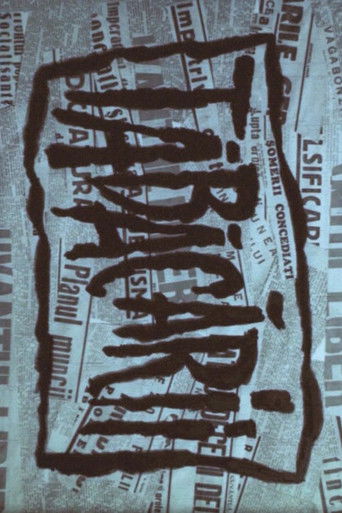
An illustration of the evolution of the working conditions in the communist era, compared to the interwar period, using as a pretext a recently modernized factory in Jilava, presented in a mirror with the one described in a 1934 report by Geo Bogza.
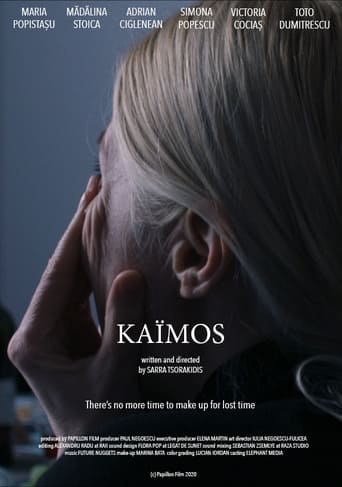
Booze, grief and guilt arouse repressed emotions in Eli. Momentarily she loses control, however ultimately she will have to let go of the past. Layered, penetrating portrait of family ties, guilt and the role of traditions.
A puppet movie about a funny story that happened in the apartment of a chatty landlady, who was so engrossed in a phone conversation that she forgot that her little, naughty son was left in the next room.
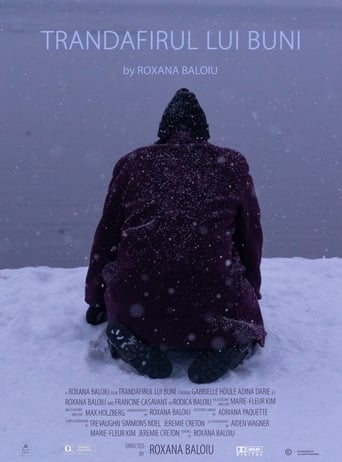
Director Roxana Baloiu's personal reflection on the loss of her grand-mother's mind to Alzheimer's. A deeply personal tale of longing, loss and regret. A love letter from a grand-daughter to a grand-mother.
The memory of a tragedy of passion – a double murder that took place in a shepherd’s village 50 years ago – is preserved in the form of a ballad. The villagers recall the events and the musicians talk about the birth of this song that lacks the victim’s point of view, because the assassin is the one who commissioned them to compose this ballad.
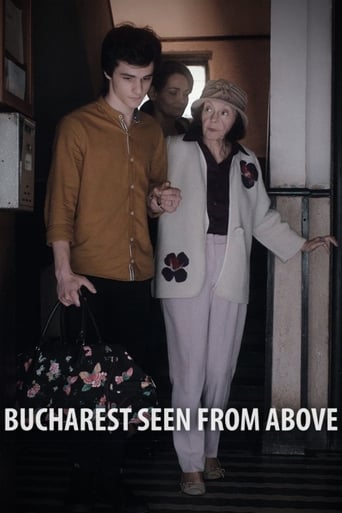
A road trip full of remorse, doubt and darkness. Starring Marina Voica, a Romanian pop singer.
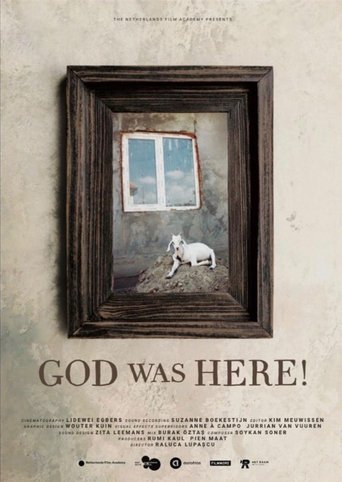
In a rural community full of religious certainty, right on the place where God came, young shepherd Lucian seems to be stranded between belief and disbelief.

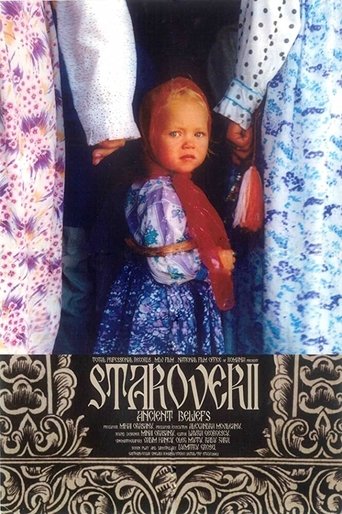
The story of the old Russians began in the XVI century, when the Patriarch of the Russian Orthodox Church, supported by the Czar, imposed religious reforms in Russia. Those who have refused to obey were brutally persecuted and forced to seek refuge in Siberia or in faraway places. Many hidden in Europe, and some of them settled down in China, Japan, America and Australia. The Russian Old Believers Community that settled down in Romania is one of the most numerous. The film explores the extraordinary power of this community to preserve their language, customs and religion, finding in their faith in God the source of strength to resist. This film tries to render the patriarchal air of the medieval Russia, from which these people came.
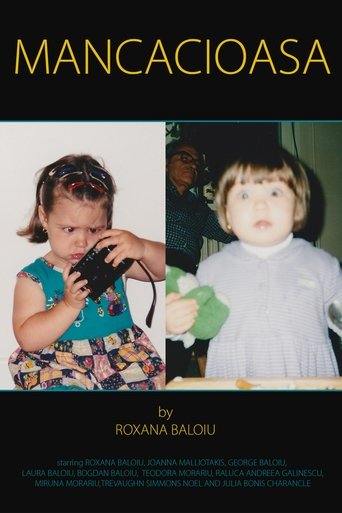
A film presenting the evolution of a child who likes to eat and the way family and friends speak to her over the years. Mancacioasa is a very personal found footage student film that explores the psychological effects of "Fat Shaming".
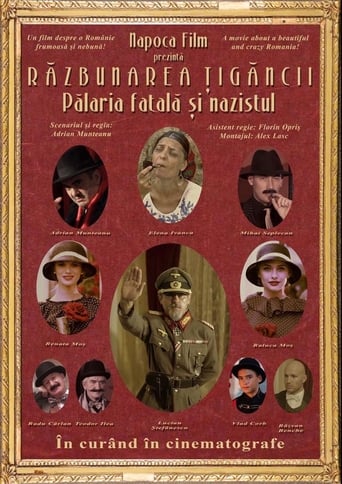
Somewhere next to the citadel walls, a flower selling gypsy, probably a witch, has an apocalyptic vision: In a very short time, tens of thousand of gypsies from Hungary and Romania will be killed or deported. She decides to use her powers to help them.
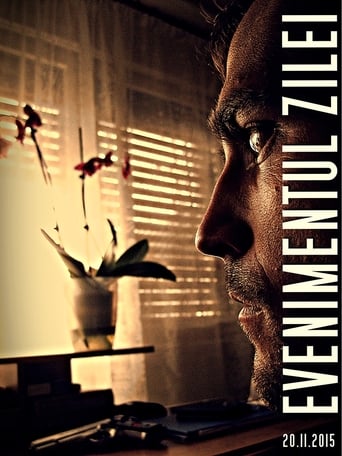
A man is faced with the consequences of a short moment of inattention.
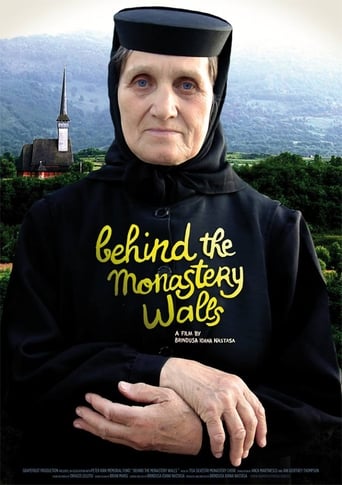
The monastery is the sacred home of God, but also home to the nuns and monks who have dedicated their lives to God. Romania’s monasteries are known worldwide for their magnificent beauty, but what do we know about the people that live there? How different is the life they lead? How different is the way they see the world? Behind the Monastery Walls presents a selection of intimate and inspiring interviews in which nuns and monks in Romanian monasteries lay bare their thoughts and beliefs.