
Beginning of a Coherence 1981
An experimental short done by Valentin Constantin in 1981, with Kinema Ikon.
An experimental short done by Valentin Constantin in 1981, with Kinema Ikon.
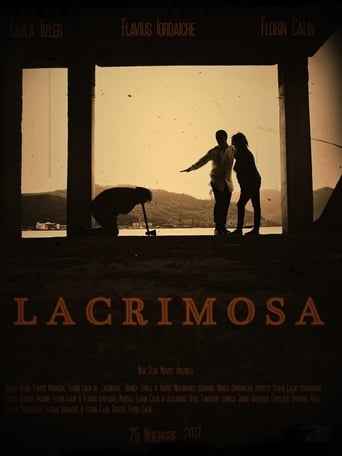
After Robert is murdered under mysterious circumstances, his friends are forced to face the truth and their past.
After an encounter with an Asian missionary who preaches about God the Mother, Mihai reconsiders the nature of his mother’s late pregnancy.
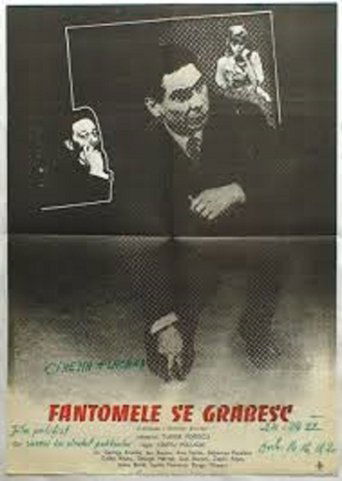
Following the death of his wife, a father is trying to take care of his daughter, amidst a murder mystery which concerns both of them.
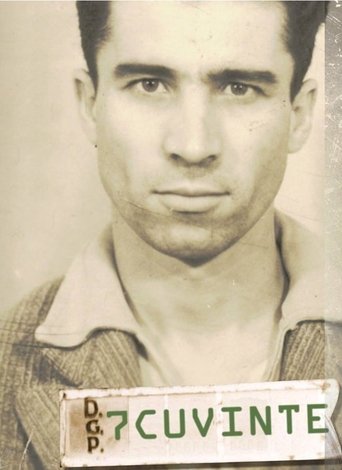
Seven Words is the story of a man who spent 21 years behind bars, fighting for his beliefs
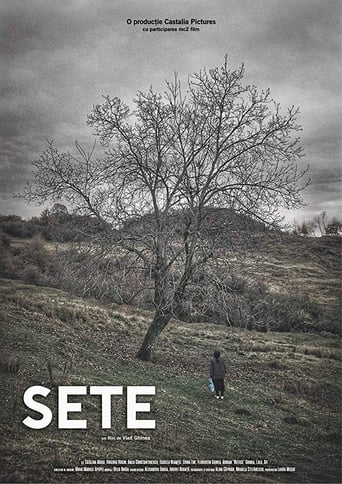
On Saint Andrew's day, Safta leaves the comfort of her home to find the veterinary doctor who could help her save the family cow. Safta's plans change when a bizarre encounter forces her to face her past.

A young, underestimated team unexpectedly transforms into an unstoppable force, staying undefeated for months and fighting for promotion until the final whistle.
Armed with a gun he finds thrown in the corner of the block of flats where he lives, Nae sets off on a nocturnal adventure through the city. Influenced by his cinephile imagination, the reality of the almost deserted streets merges with a noir drama atmosphere he obsessively watches. Projected into the grey landscape of Bucharest in the late 1990s, the tragic and absurd action of Cristian Lucian Dobrovicescu's short film is cut out and stylized in the manner of comics.

A documentary which aims to dig deeper into the origins and meanings of traditional Moldovan ornaments.
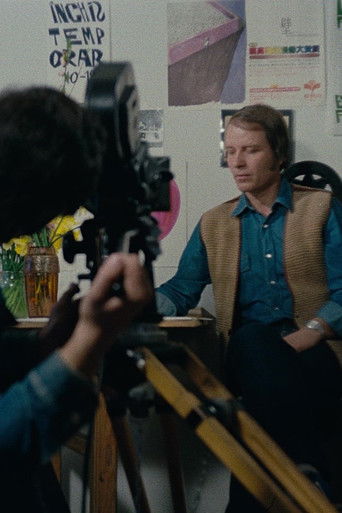
A portrait of the caricaturist Mihai Stănescu, the film is not a conventional documentary, as it resorts to small comic scenes that highlight the playful personality of the plastic artist. "Antiinterviu" contains a prologue conceived in the aesthetics of silent comedies, with a little boy who scribbles on any surface he finds, from the walls of buildings to the clothes of citizens standing in line at the Alimentara, being chased and pulled by the ears by police officers and other adults around him for his disobedience. The defiant attitude of Mihai Stănescu, known at the time for his caricatures with political allusions, also appears to have a mischievous dimension.
In the ruins of a religious building, a council-orchestra of elders sits enthroned in carved chairs in the abandoned space marked by the passage of time. A military band crosses the empty streets of a residential neighborhood and attracts people, chairs and buildings like a vacuum cleaner in its festive and monotonous cadence. A young star who keeps waiting ends tragically in the middle of the crowd gathered to witness the performance.
The film begins as a cultural reportage of the most conventional kind, with a series of frames filmed around Peleș Castle, set to classical music and accompanied by a commentary describing the museum's ceramic collection. What is surprising in this construction is the unusual effect that the natural setting, chosen as the original backdrop of the presentation, has on the exhibits. Removed from the museum and displayed outdoors, the objects fail to resonate with nature and stand out like anomalies in the wintery, postcard-like landscape. But the romantic surplus of Chopin's music, which is added to the increasingly abstract visual compositions, with vases, trinkets and precious tableware fancifully placed in the water of a stream and among snowy fir trees, represents an at least extravagant attempt to deviate from the aesthetic norm.
Two identical hotel rooms, two phone conversations, a single door and a single point of view from which all these glimpses of days in the lives of two strangers are captured: a man in transit through an unidentified provincial town (we only get to know that it's somwehere in the mountains) and a woman who came from far away to seek a better life, who makes love for money every night. The film's visual minimalism, the elliptic, fragmented narrative structure, the lack of a clearly-articulated theme turn this experiment into an early exemplar of a certain type of modernism, which would reach its peak in Romania only two decades later.
Fired from the editorial board of a humor magazine because he isnțt funny enough, protagonist Vică remains unemployed until he accidentally reunites with an old acquaintance on the muddy streets of Bucharest in winter.
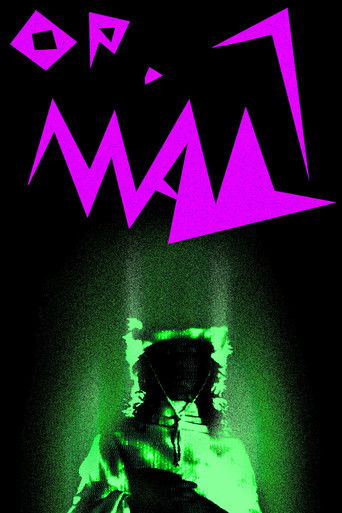
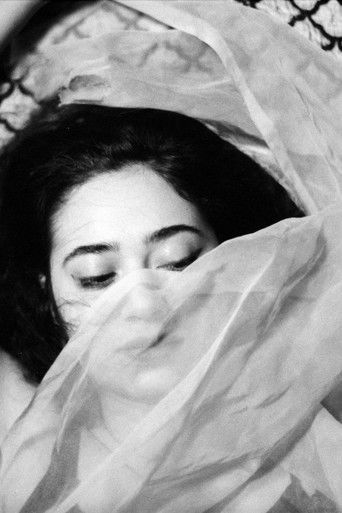
Through an oneiric and experimental lens, the filmmaker confronts her own experiences of harassment and institutional control, exploring how these encounters shape perception, body, and agency. Inspired by the photography series of the Romanian visual artist Geta Brătescu, the film navigates opacity and vulnerability, creating a reflective space where trauma is both embodied and mediated through artistic practice. By blending personal narrative with abstract black and white analogue photography, the work opens a dialogue about witnessing, control, and resilience, offering a meditation on the subtle violences that mark professional and intimate spaces.
