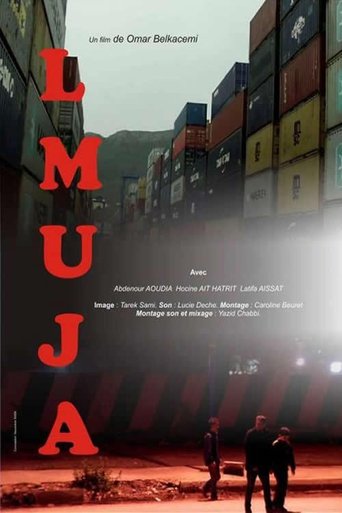
The Wave 1970
Omar Belkacemi’s The Wave tells the story of Algerian journalist and writer Redouane, who comes back from Europe to investigate a wave of suicides in his native country during the mass lay-offs of the late 1990s.
Omar Belkacemi’s The Wave tells the story of Algerian journalist and writer Redouane, who comes back from Europe to investigate a wave of suicides in his native country during the mass lay-offs of the late 1990s.

Mesteka, a seventy-year old Moslem widow, and Rehan, a sixty-seven year old Christian widower, are neighbours. Their busy children hardly ever visit them now. Mesteka and Rehan get used to monotony, loneliness, and isolation and fashion their lives accordingly,until tragedy gives way to comedy.
RED CHEWING GUM recounts a story of separation between two men. It is a video letter that is set in the context of the changing Hamra, a formerly booming commercial center. It examines the tool of video and image making in relationship to consumption, age, desire and power as they all compare to one of the characters' attempt to capture, hence possess, fleeting time.
A study in human form.
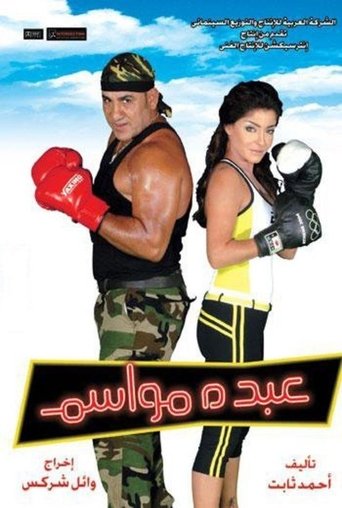
Abdo is a poor man living in a slum, who does not surrender to financial inablities and unemployment and always searches for "seasonal" jobs, hence his nickname. As a hobby, he practices boxing since he was a kid. When a sports researcher discovers Abdo's talent, she helps him to change his life forever.
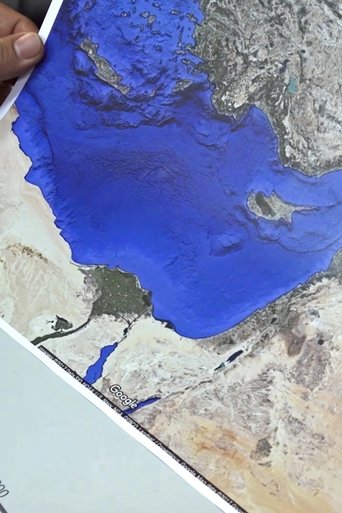
How are borders constructed and how do they impact people's lives? Through personal tales of displacement, Beirut residents adapt different maps of the city and region by sewing borders onto them. Archival maps, international treaties and declarations evoke a complex scheme of power structures and nation-building.
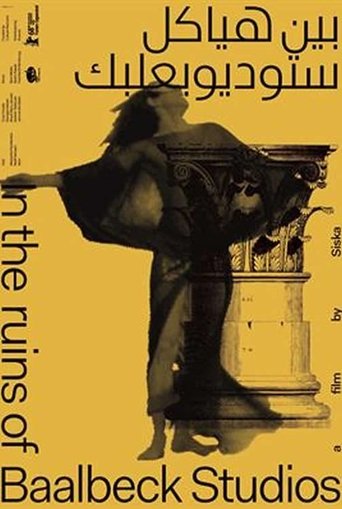
Shows the ruination of film heritage in Lebanon, navigated through the country’s cinematic heydays in the late 1960s and early 1970s. This period witnessed a rise of Egyptian producers and directors moving to Lebanon to make films partly due to Nasser’s nationalization of Egyptian cinema.
Bouchra Khalili is interested in the Mediterranean as a space of nomadism and itinerancy. Her work renders it in its subjective aspect by documenting the realities and narratives of migration, offering an alternative mapping based on the personal testimony of clandestine migrations. Mapping Journeys is a series of documentary works telling eight stories. Each presents a static shot of a map of the territory concerned, on which the traveller's hand sketches his or her journey. The accompanying voice has no face, as clandestinity requires: testimony to the invisibility of those at home nowhere and to the loss of identity this brings.
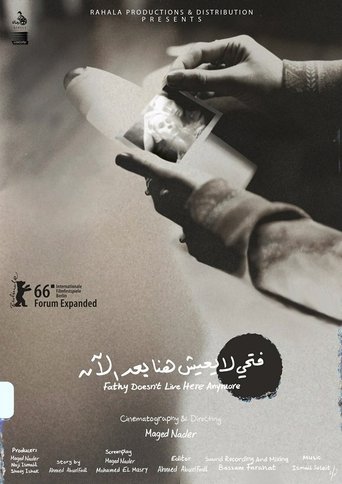
An old image of Bobby Anderson and Lev Olman from Ingmar Bergman's Sweedish film Persona adhering to a bottle of Shampoo tells a tale of pent-up dreams through an adventure to find answers in Cairo today.
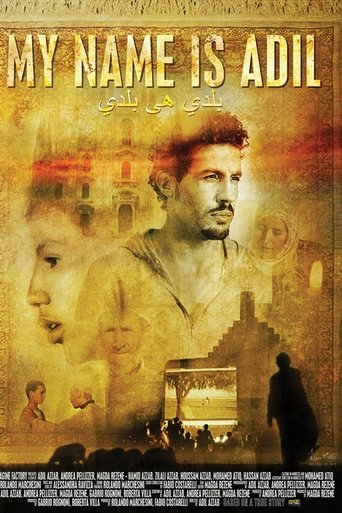
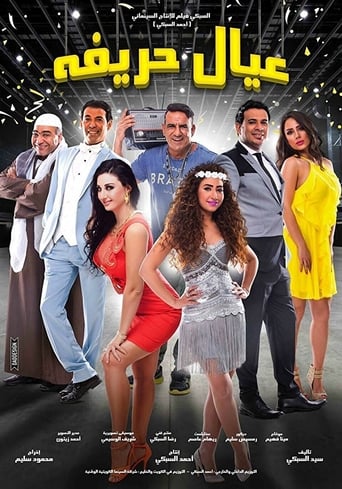
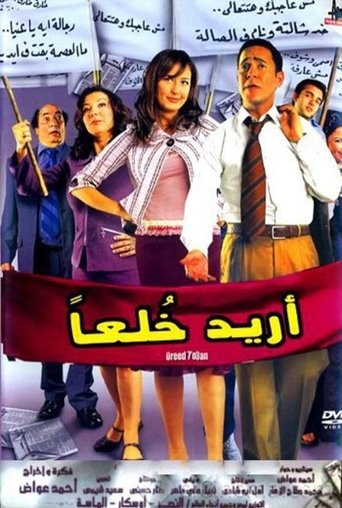
He works as a football coach at Dokki Sports Club but does not succeed in making any significant achievements in his career, which makes Habashi not agree to marry his daughter Osha (Bossi), but he has a last chance .
She loved mysteries so much that she became one, she used words to say nothing at all, and silence to explain everything, and she smiled her last smile, to so much that had been possible...
Hostage: The Bachar Tapes (English Version) is an experimental documentary about "The Western Hostage Crisis." The crisis refers to the abduction and detention of Westerners in Lebanon in the 80s and early 90s by "Islamic militants." This episode directly and indirectly consumed Lebanese, U.S., French, and British political and public life, and precipitated a number of high-profile political scandals like the Iran-Contra affair in the U.S. This period is examined through the testimony of Souheil Bachar, who was the only Arab to have been detained with the American hostages kidnapped in Beirut in the 1980s. In 1999, Bachar collaborated with The Atlas Group to produce 53 videotapes about his captivity. Tapes #17 and #31 are the only two tapes Bachar makes available outside of Lebanon. In the tapes, Bachar addresses the cultural, textual, and sexual aspects of his detention with the Americans.
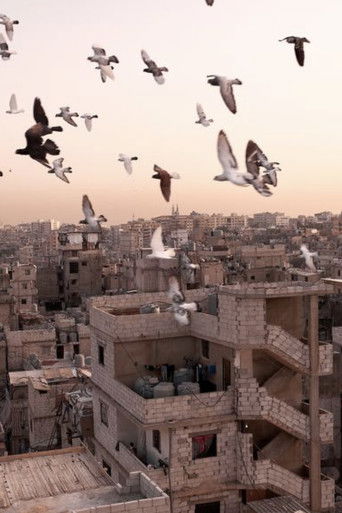
To transport a newly purchased sofa to your home is an easy task. In a Palestinian refugee camp in Lebanon, this task becomes a Sisyphean journey revealing the complexities and absurdities of everyday life in the Shatila camp in Lebanon.
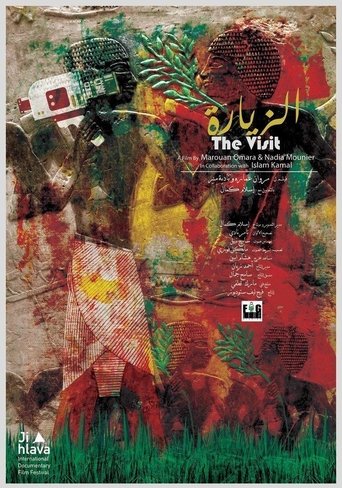
As a World Bank team visits an Egyptian village to investigate the transformation in agricultural management system, a TV presenter prepares a couple of episodes on the life of village women and a group of students visit a museum in Cairo with artificial figures that are supposed to resemble the life of Egyptian farmer.
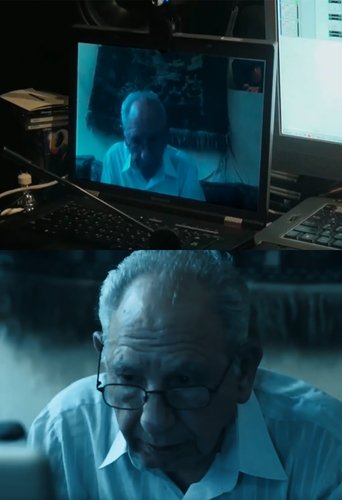
The new film 'Ibn al-'Am Online' is a portrait of the opposition figure Riyad al-Turk from inside the Syrian Revolution. This important opposition figure remains active underground in Syria until this day. The film resorts to Skype and other social networks not merely as part of its narrative and construction, but also as part of the filming process itself. In the end, the Internet was the first means through which we decided to present the film. Filming took place over the course of several of months, and began at start of the Syrian revolution on 15 March 2011 and was completed at the beginning of 2012.
This film illustrates the lives of children growing up in the area of Hajar al-Aswad (Black Stone), a poor district of Damascus. The four children in the film collect metal scraps to sell in order to help sustain their families economically, yet their wanderings give them the ability to explore and dream.
Iraqi Voices is an ongoing collaborative mentorship program that gives Iraqis in Minnesota support and training to transform their stories into high-quality documentary video shorts. THE ACTOR: An Iraqi actor discusses the Friday demonstrations in Baghdad.
