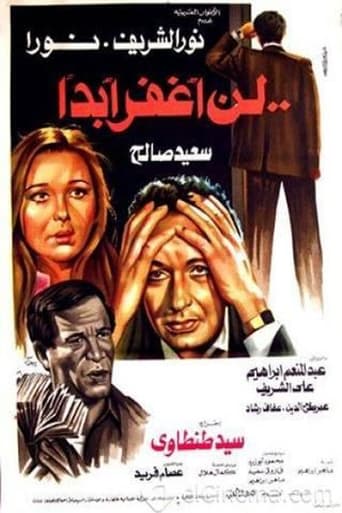
Ln Aghfer Abadan 1981
Hussein's father dies after being neglected by doctors. Hussein decides to take revenge on doctors by stealing their cars.
Hussein's father dies after being neglected by doctors. Hussein decides to take revenge on doctors by stealing their cars.

Stranded on a deserted island, a family of four scavenges for survival as their past unravels, sending them into a downward spiral of painful events.

Hafez takes advantage of his presidency of the Childhood Protection Association and his knowledge of the rich families, to cover up his criminal activity in which he kidnaps the children of these families in exchange for ransom.
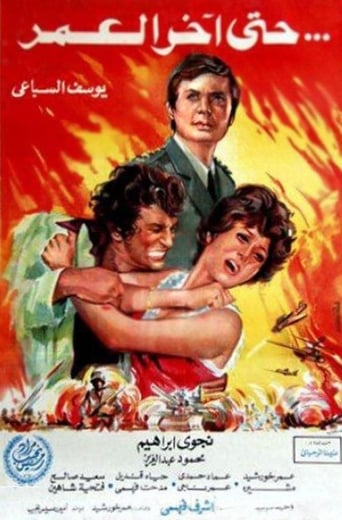
"Mona" girl club girls admire young "Ahmed" who does not exchange love for love, but does not care about them at all, travel abroad on a business trip. One day Mahmoud hints at "Mona" and admires her and marries her. The father agrees and they get married. They live a happy life. Ahmed returns from abroad. The case is confirmed when Mahmoud sees him and Ahmed in the club, so he decides to divorce her, but he goes to the front. But she resists, and renewed her hope to recover "Mahmoud" after the return of a colleague from abroad has recovered from injury Similar to Mahmoud's injury.
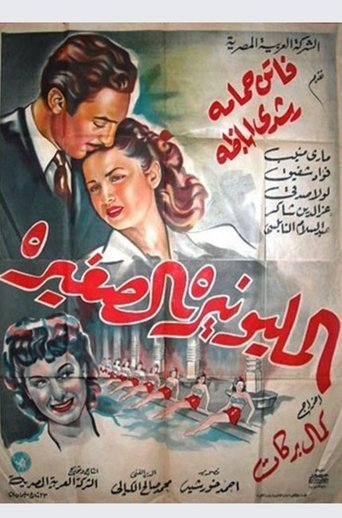
A girl's love for a pilot is hindered by her grandmother's disapproval of the match because he is of a lower social class. When the grandmother dies, however, the man has a sudden change of heart and refuses to marry his sweetheart, fearing that she might think he's after the money she inherited.
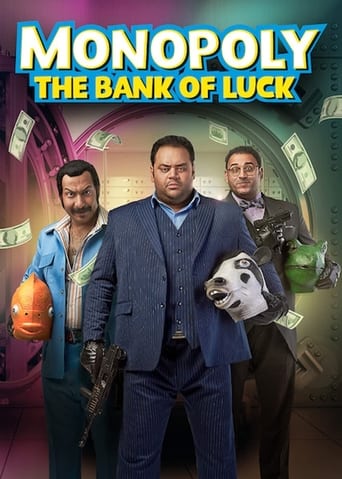
Fueled by anger after getting fired from his bank job, a lazy banker (Mohamed Saleh) joins forces with his co-worker (Amr) and their weird friend (Ze'ro) by turning to robbery in order to fulfill their dreams. But, when they turn their master scheme to rob the bank into action, things take an unexpected turn. Little did they know that a plan is only as clever as the brains behind it.

When Khalil and Zahia discover a deep dark secret about their newly married parents, they find themselves on a rollercoaster of unexpected events.
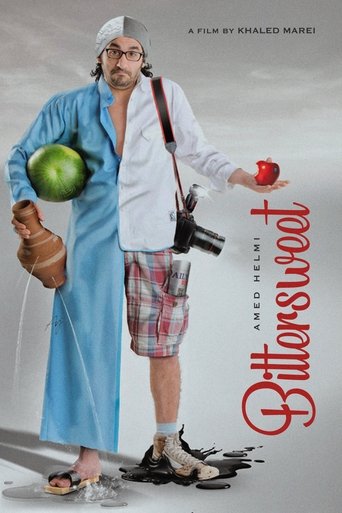
An Egyptian-American returns to his homeland after twenty years abroad, filled with nostalgia and high hopes. But as he reconnects with his roots, he finds himself caught between two worlds—and begins to experience the reality of a country he thought he knew.
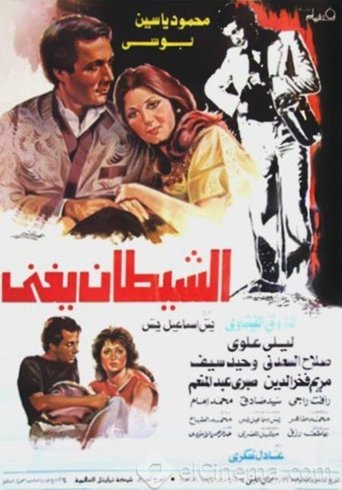
Asim is a novelist who is busy writing a new novel at the urging of the publisher. Imad is chasing him and deluding him that he derives his ideas from him, and that there is a hidden force between them that transmits his ideas to Asim Lutfi’s mind, causing him to suffer a psychological condition that stops him from writing, he travels to Alexandria to complete the story, Imad contacts him and provides him with some evidence that proves the mental telepathy between them, which confirms that Emad is the author of all works published by Issam and were the reason for his fame.
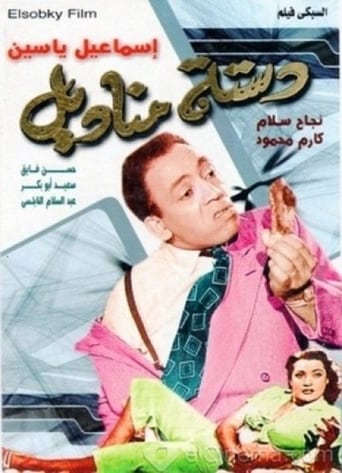
The presser of the neighborhood falls in love with the singer living in the villa next to him, while his friend falls in love with her maid. He discovers that a wealthy man is supporting her financially, he tries to compete with him by singing in the nightclub where she sings.


In Egypt, an iconic archaeological painting by an Italian artist is stolen, and the abbots deliberately conceal the crime to avoid scandal. This incident reignites an old conflict between Father Maurice and Father Francis, stemming from their differing views on life.
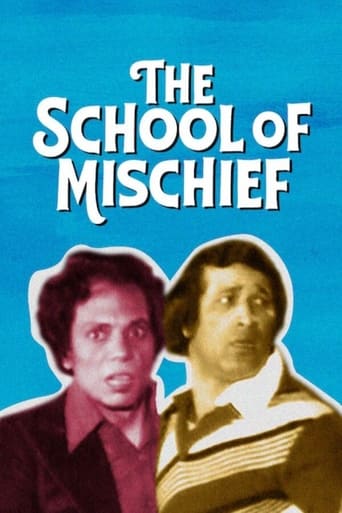
In a high school plagued by five unruly students who have failed to graduate for over a decade, the principal hires a new teacher in a last-ditch effort to restore order. Effat, the newly appointed instructor, takes on the challenge with hopes of reforming the troublemakers into model students.
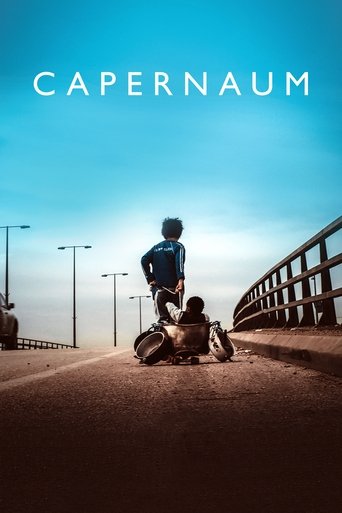
After running away from his negligent parents, committing a violent crime and being sentenced to five years in jail, a hardened, streetwise 12-year-old Lebanese boy sues his parents in protest of the life they have given him.

Tito is the second installment in the new-wave Egyptian action movies. After Mafia by Sherif Arafa, which was a breakthrough in Egyptian cinema making, Tarek El-Aryan brings us Tito, the next logical step. Very simply, this movie is about an ex-con who tries to escape his sinful life by starting a new one, but his past comes back to haunt him. The reason, why Tito is better than Mafia is because the script and story line in Tito is more complex, and some of the characters had real depth in them and where fully developed throughout the movie.
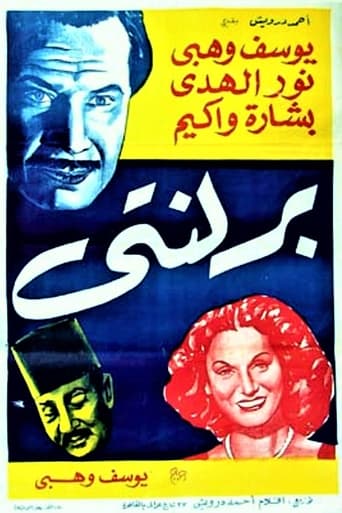
After the death of the girl's father, Berlanti, her means of life become more limited and her mother falls ill, so Berlanti is forced to work as a singer so that she can be treated. The lawyer Sami marries her, and as events unfold, Berlanti sees that she is standing in the way of Sami's success. She sacrifices her reputation so that he can leave her. He believes this and expels her. He marries the girl, Samiha, and as events develop, Berlanti is accused of murder.
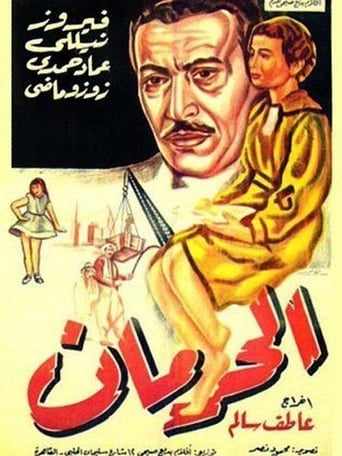
Fadel raises his daughter Mona alone after her mother leaves them for work. One day Mona accompanies him to his job, but causes an accident. Feeling guilty, she runs away, prompting her father to search for her.
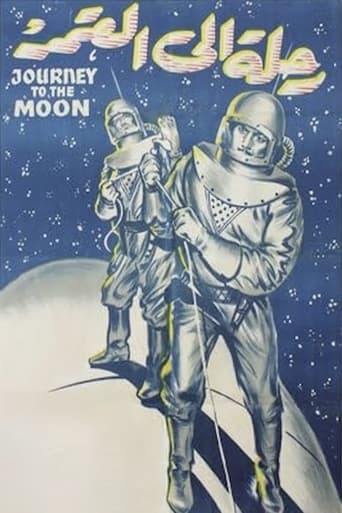
In his quest for fame and success, Ismail, a driver for a newspaper company, tries to take some unauthorized photographs of the inside of a German rocket undergoing a technical test. He accidentally launches the rocket into space, taking with him Dr Sharvin, the German scientist who built the rocket, and Ahmad Rushdi, an Egyptian meteorologist. When their rocket somehow manages to land upon the moon, the three hapless space travelers meet Dr Cosmo and learn of the intelligent life that once inhabited the moon but which was all but annihilated by a nuclear war. After Rushdi falls in love with one of the moon girls, they all decide to return to earth but lack enough fuel for the trip and so have to venture to the foreboding far side of the moon to obtain some 'atomic petrol.' Will the crew ever return to the earth?
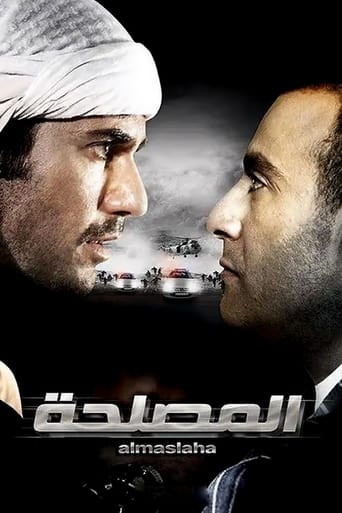
Police officer Hamza requests his transfer to the Anti-Narcotics Administration, following the killing of his brother by Suleiman Al-Muslimi. He monitors his brother Salem, the big drug dealer, who smuggled Suleiman and fabricated a charge for Hamza's wife.

A struggling family is attempting to deal with the consequences of a horrible catastrophe.

In separate connected episodes that follow the circumstances of the crime and reveals the killer in each episode.

The events take place within a dramatic framework, as the series addresses the most prominent negative phenomena that have swept Tunisian society in recent years, which have particularly affected the youth group.

Karim decides to spend his first vacation with his new, younger wife. He invites his wife's two sisters, Hadiya and Hanaa, to a house on the beach in the Al-Watan Al-Qabli region. Several comical situations occur as he tries to coexist with his esteemed guests, the watchful eyes of the landlord and his wife, and the constant disturbance from the neighborhood grocer.
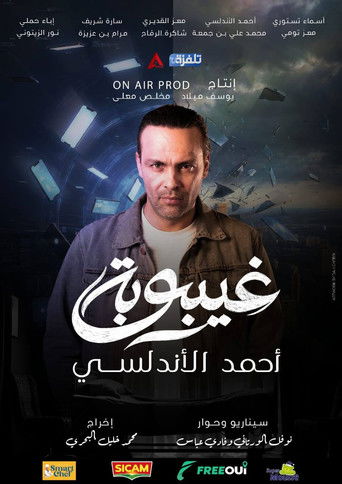
The series depicts the social upheaval caused by the introduction of the mobile phone into family homes, transforming it from a means of communication into a double-edged weapon. Events intertwine as the characters’ privacy is breached, and intimate photos and videos become tools of blackmail and defamation, destroying once-stable lives.

Maliha, a dreamy girl, in her last year of university navigates school, life and love as she discovers the many faces of people around her.

The series “Al Zaim” presents a satirical story about administrative corruption within government agencies, in a style that combines comedy and drama, as it reveals mismanagement, the negligence of some employees, and the extent of respect for labor laws. Through its characters and exciting events, the series reflects the daily challenges facing public institutions and their impact on people’s lives.

The series sheds light on the fact that the crime is not only aimed at uncovering the perpetrator but also at exposing the hidden depths of the human psyche and the complexities of toxic relationships.

The story follows two families living in parallel worlds that meet only in misfortune. One reigns atop the financial pyramid, hiding corruption and money laundering behind luxurious walls, while the other struggles daily at the bottom, fighting for mere survival.


Overview Unavailable

“Code Zine” is a Tunisian sitcom that takes place inside a photographer’s shop, where different segments of society meet, providing an opportunity to expose the falsehood of some and the dreams of others in a comical, satirical way.

Within the walls of his silent studio, a talented painter faces the bitterness of repeated failures and neglect. As his art and ambitions fade under life’s harsh demands, he embarks on a human journey seeking light amid the darkness of despair.


Ammar is a typical unemployed tunisian youngster who is trying to find an opportunity to improve his reality, but finds instead a watch that when he wears, puts him is a spell to repeat the same day over and over again.

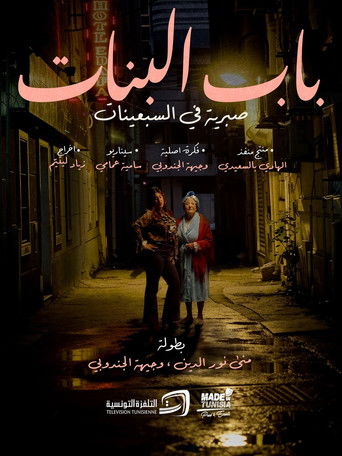
Sabriyya finds herself trapped in the whirlwind of caring for her domineering mother, Turkiya, turning her daily life into a chain of comedic situations. As unusual characters and new guests enter their home in every episode, relationships become entangled and the humorous moments escalate.

After the revolution, Ismail Bourigua, the Minister of the Environment, is dismissed while the state seizes his assets. He must learn to manage his relationships with those around him: his mother Frida, his new wife Nassira, his daughter from his first marriage Farwazen, and his household staff (Nouri the head chef, Halima the housekeeper, Dhaw the handyman, and Saïda the maid).

Inspired by a true story, the series revolves around Raad, who was born on the Galite Islands. He lost his parents at the hands of the Italian mafia, which necessitated his transfer to an orphanage where he spent his childhood. At the age of 20, he met Andrea, who became pregnant with his child and suggested he travel to Tunisia to celebrate their wedding. Events escalate, and Raad is arrested by the Tunisian police and conscripted into the army. He relives the painful events of Gafsa in 1980.

No overview at this moment
