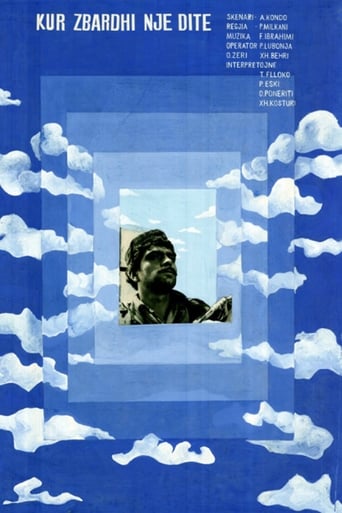
Once at Dawn 1971
A driver is tasked with sending weapons illegally to the partisan soldiers.
A driver is tasked with sending weapons illegally to the partisan soldiers.
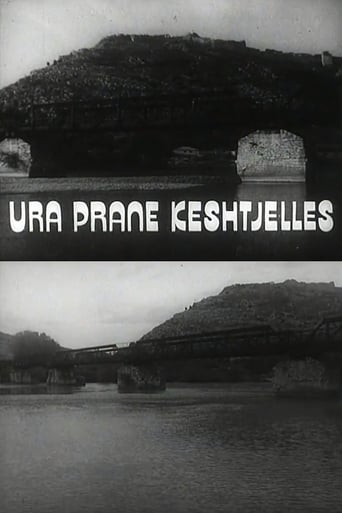
War film written and directed by Rikard Ljarja.
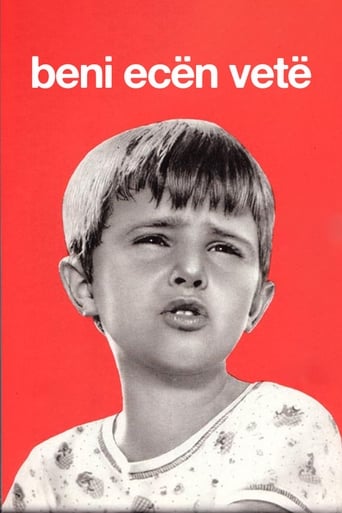
Beni is an eight-year-old boy living in Korçë with his parents and leads a sheltered life. His mother is very protective and doesn't let him play outside. When Beni is able to go outside, the neighborhood children make fun of him. One day when his uncle Thomai is visiting, he sees Beni crying after the other children took his horse. Thomai decides to take Beni on horseback to a distant village where he teaches him about life and how to be a man.
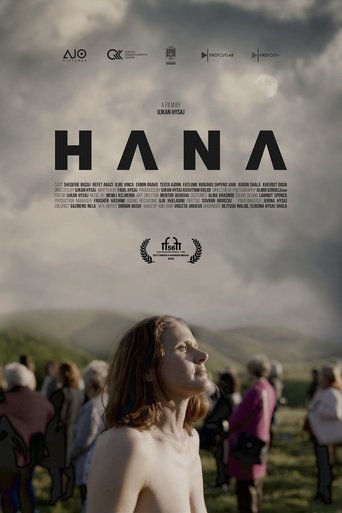
An actress joins an Art Therapy program at a Women's Rehabilitation Center in Kosovo, helping survivors turn their pain into art until their stories awaken her own suppressed wartime trauma and hidden identity.
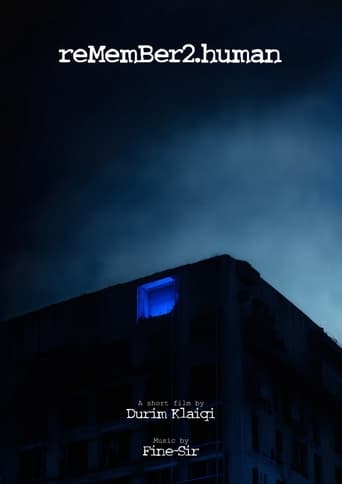
In an indeterminate future, forbidden memories challenge a database containing all human memories. An experimental cinematic search between past and future, fiction and fact, Prishtina and Tirana. The future, a glitch.
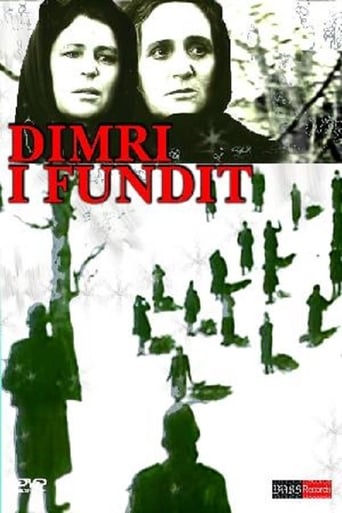
Germans come amid snow and winter. In the village only people remained are women, that fight until wounded partisans, sheltered in the village, will retreat deeper and snow will cover their tracks. Face to face with the Germans and their control of the village, women, led by mother Shano and mother Mara, depart to make a pile of wood, but actually bring bread and food to the partisans.
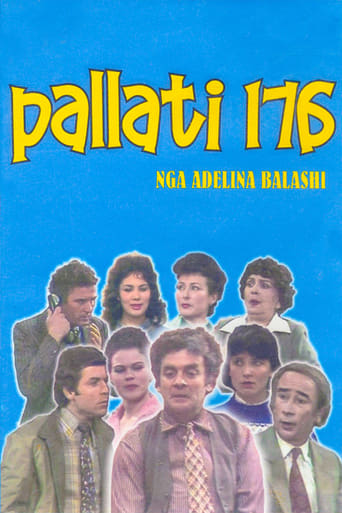
A comedy known and loved by all, under the interpretation of the most famous actors of the Albanian National Theatre.
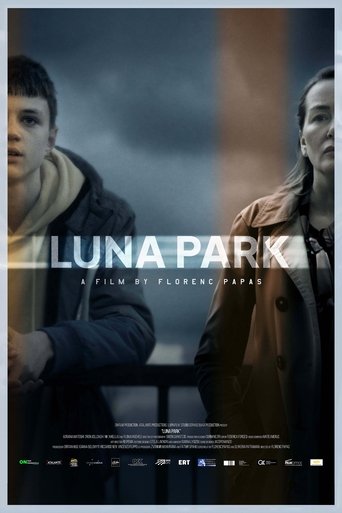
Albania, 1996. Mira lives in Elbasan with her two sons while her husband works illegally in Greece. Struggling to make ends meet, she invests in a pyramid scheme, hoping for a better future. When close friends migrate, mira grows desperate and sells their apartment to reinvest, moving in with her parents. But the scheme collapses, the country falls into chaos, and mira loses everything. Her teenage son toni becomes violent, eventually arming himself during a riot. Fearing for their safety, Mira decides to flee Albania with her sons. After a dangerous journey, they arrive in Thessaloniki—lost, without Arben, but finally together. At the luna park, they find a fleeting moment of peace.
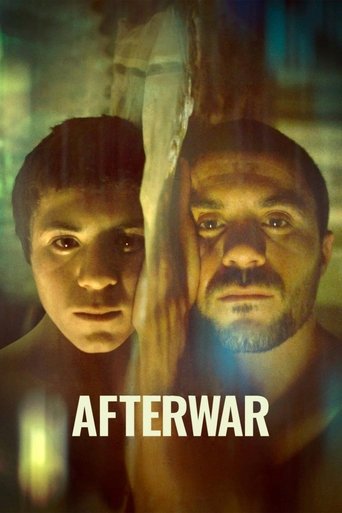
The children transform into adults before our eyes. Yet they remain in limbo, haunted by memories of the war in Kosovo. Combining raw realism and staged performance, Afterwar is a meditation on the long-term repercussions of war.
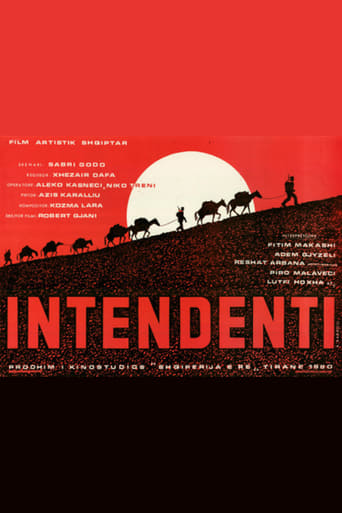
In the middle of a harsh winter, a partisan soldier goes to deliver supplies to a hospital.
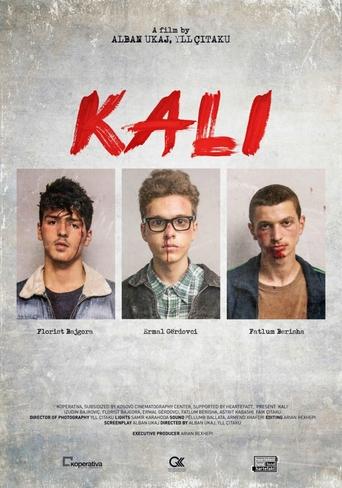
October 1st, 1997. Students turn out on the streets of Prishtina to protest for their rights, against the repressive regime. Among them, three teenage friends also attend the protest, finding themselves in unimaginable situations.
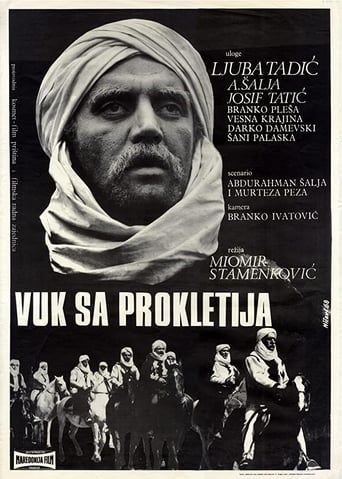
Uka is an old Albanian who lives in the mountains on the border of Kosovo and Albania. As an honorable man, he must deal with his son who befriended Italian fascists during WW2.
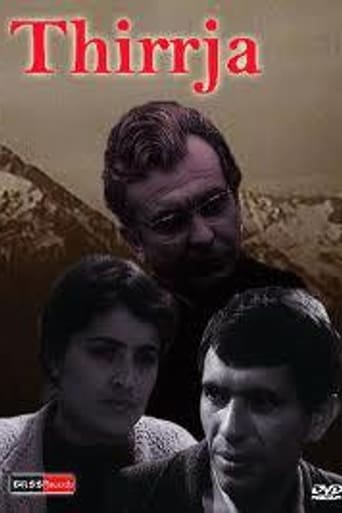
Based on the works of Sterjo Spasse. Kujtim Morava goes to work in a remote village. He assists in the destruction of churches and mosques since they spread a regressive mentality.
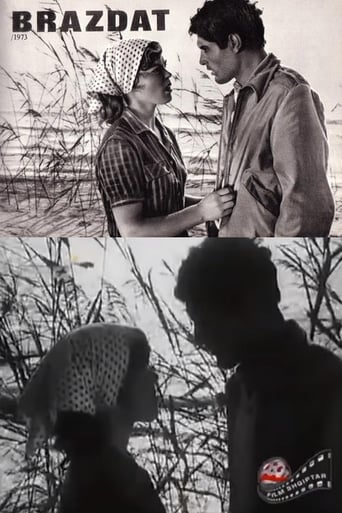
Marta is a young, energetic girl who wants to become a tractor driver. Her husband, Adem, initially supports her, but then she discovers his true nature.
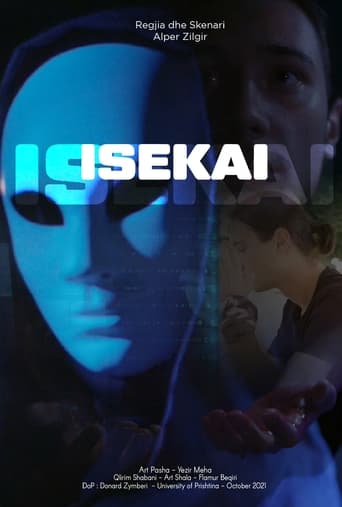
Genc gets into existential crisis, loses his will and purpose for his life, as he thinks that he is the cause of his roommate's death. As an escape from this reality, he uses the virtual (reality) world.
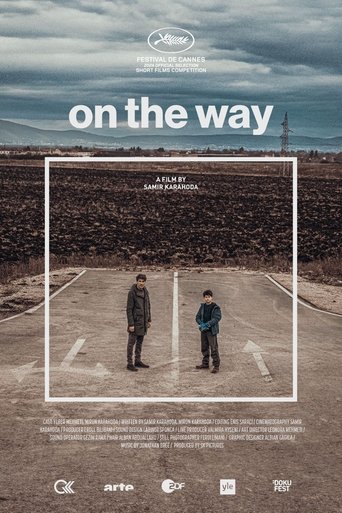
Amid bureaucratic obstacles, with little or no hope for real political and social changes in the country, a father and son find comfort and strength in their shared optimism for the future.

Story of Azem Bejta (1889–1924), commonly known as Azem Galica, who was an Albanian nationalist and rebel who fought for the unification of Kosovo with Albania.
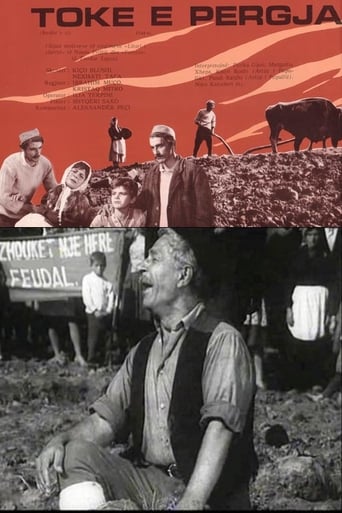
Film set in three different times. In the beginning, Miti is killed while defending his land. Then, the film focuses on his son Gjergji who fights against the Italian forces. In the end, the land is redistributed by the agrarian reform.
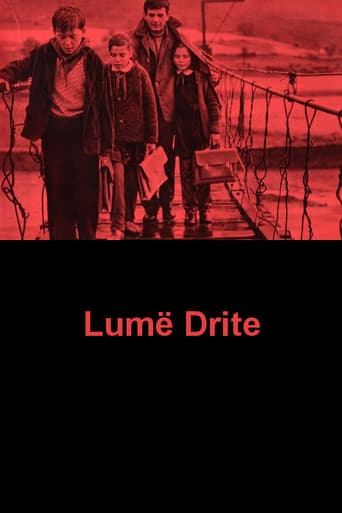
Bardhi works as a teacher in a remote area. When one of the students abandons the school, Bardhi tries to help him.
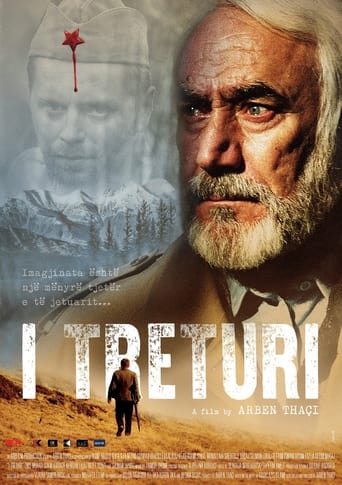
Far from his hometown, Beqir spends most of his time in front of the typewriter machine rather than with his wife. Nostalgic for his homeland and his people, he is no longer at peace with himself, so by writing his memoirs he tries to unveil something important, something he hides from his wife and even himself.
