
Songs for After a War 1976
A particular reading of the hard years of famine, repression and censorship after the massacre of the Spanish Civil War (1936-39), through popular culture: songs, newspapers and magazines, movies and newsreels.
A particular reading of the hard years of famine, repression and censorship after the massacre of the Spanish Civil War (1936-39), through popular culture: songs, newspapers and magazines, movies and newsreels.
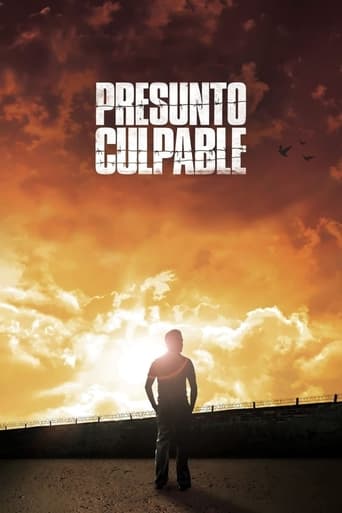
Two young Mexican attorneys attempt to exonerate a wrongly convicted man by making a documentary. In the process, they expose the contradictions of a judicial system that presumes suspects guilty until proven innocent.
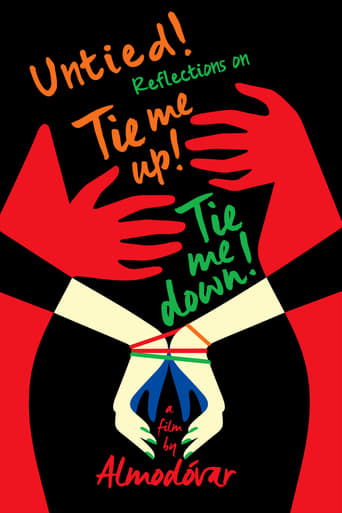
Produced in 2014, this documentary about the making of TIE ME UP! TIE ME DOWN! features interviews with director Pedro Almodóvar; actors Antonio Banderas, Victoria Abril, Loles León, and Rossy de Palma; producer Agustín Almodóvar; production manager Esther García; and cinematographer José Luis Alcaine.
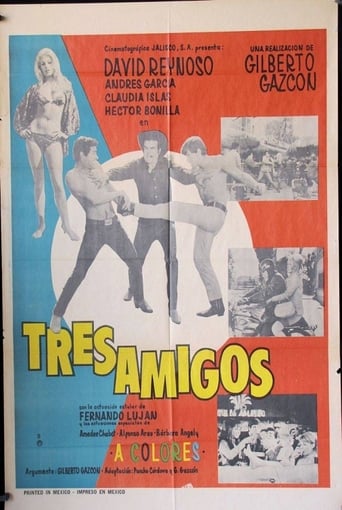
Man accused of murder, and the dead man's daughter, try to find proof of the real murderer's identity.
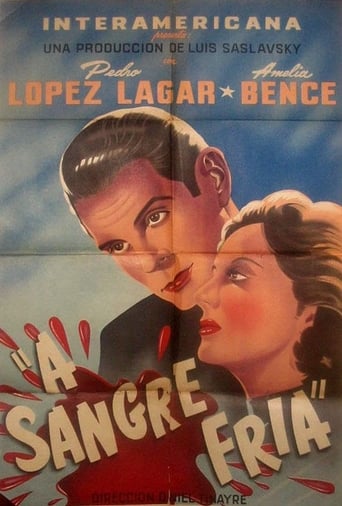
A couple plans to poison a wealthy elderly to stay with his fortune. However, the plans of the villain and his accomplice stagger at the last minute.
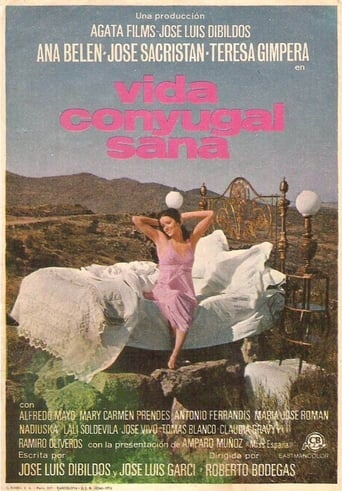
Enrique is a thirty-year-old lawyer who is married to Ana. Apparently he is a normal man who has only one obsession: the commercials. He feels a real passion for the erotic world of the ads either in billboards, trash cans, public transport, magazines or television. The continuous publicity bombardment ends up leading him towards a neurosis that changes his personality.
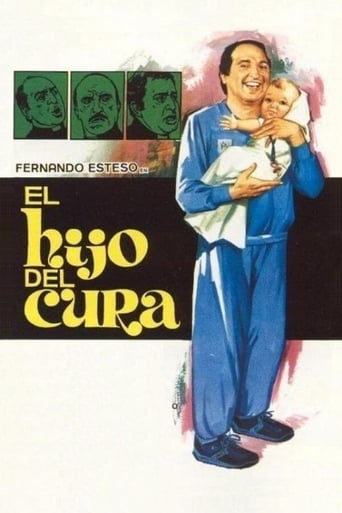
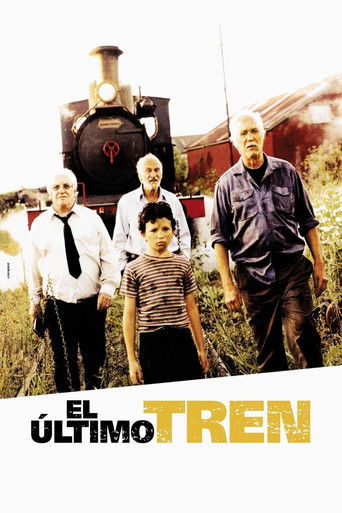
Three old men and a little boy try to preserve what they consider to be National Patrimony in the form of a locomotive nicknamed the "33"
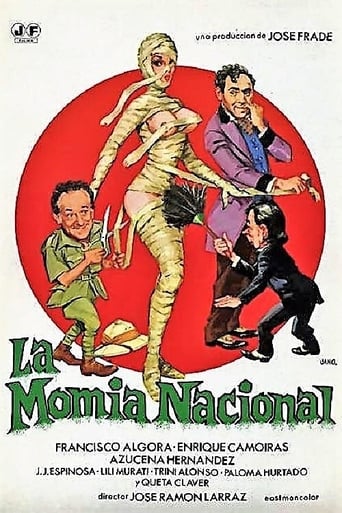
Saturnino, a young archaeologist, bourgeois and wealthy, lives in a luxurious mansion. He receives a visit from his old teacher, Don Felipe, accompanied by his daughter and a monumental mummy he has just discovered in one of his excavations in the Upper Nile. The Mummy, was in his time a princess and has on his bandages a curse, that when it breaks ... it will be dedicated to chasing and raping all the men it finds in its path.

Gloria is adjusting the traditional chulapa dress for her granddaughter Isa. The teenager has grown, and the dress no longer fits her. Although Gloria stopped attending the San Isidro festivities years ago, as she makes the first stitch to alter her granddaughter’s dress, she realizes that she will never wear it again.
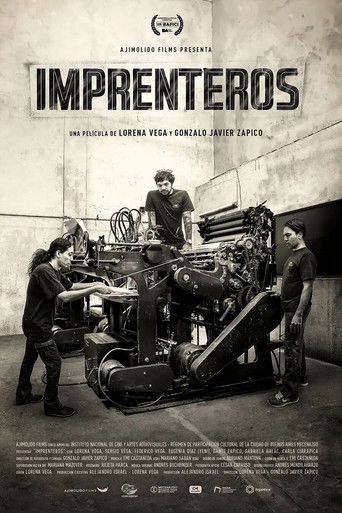
Lorena, Federico and Sergio are siblings who perform a play in which they evoke their dead father's printing workshop, a place to which they cannot return. With the arrival of the pandemic, they can no longer perform either, and have to invent another way to continue telling their family story.
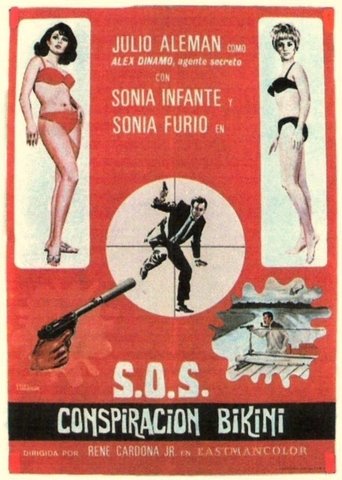
Secret Organizational Service (S.O.S.) is an international crime syndicate, quite successful with their feminine agents operating under the guise of a fashion model agency led by Lady Bristol and her associate Luigi. The International Service is the governmental secret service decided to put a term to SOS's action. An agent has infiltrated SOS - but she is in danger, after sending a coded message to her supervising Inspector. So, agents Alex Dinamo is to join forces with Adriana, and give the undercover agent a hand.
A woman takes the place of a wife who had died seven years earlier.
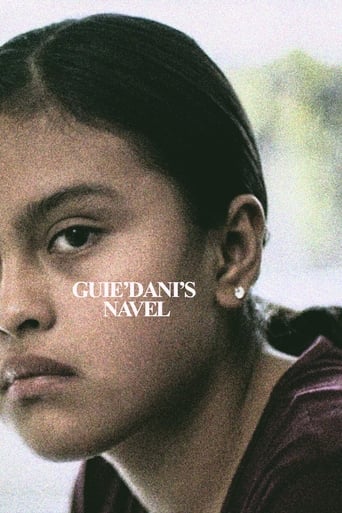
Guie’dani, a Zapotec indigenous girl and her mother take up work with an upper-class family in Mexico City. The girl does not fit and is conflicting. Everything changes when she meets Claudia, a rebellious girl with whom she becomes close friends.
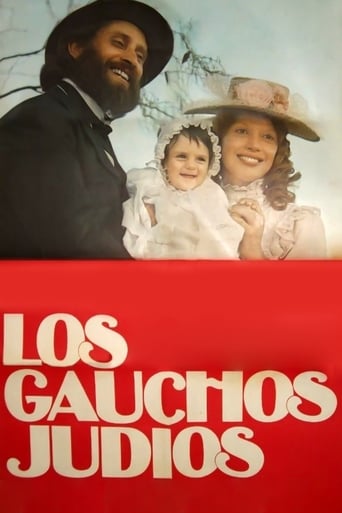
The film recreates the arrival of a group of Jewish immigrants fleeing persecution in Czarist Russia, establishing the first Hebrew colonies in the province of Entre Rios, Argentina.
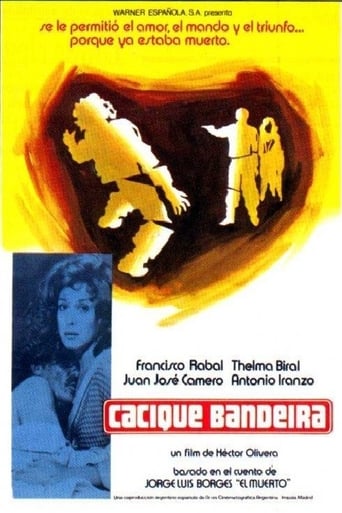
Benjamin Ortalora is a young man who leaves Buenos Aires after murdering a rival. He goes to Montevideo where his cool boldness draws the attention of gang leader Azevedo Bandeira. When the old bandit becomes ill, Ortalora makes a determined play to take his place.

In 1543, at the University of Salamanca, in Spain, Fray Antonio Román, an Augustinian monk who spreads humanist ideas, considered heretical, among his more inquisitive students, a clandestine group of four led by the brilliant novice Luis de León, mysteriously dies in unspeakable circumstances. In the present day, the historian Lara Cabanes is hired to find out if the monk was murdered, as is suspected and she is told, but the task will not be easy to achieve.
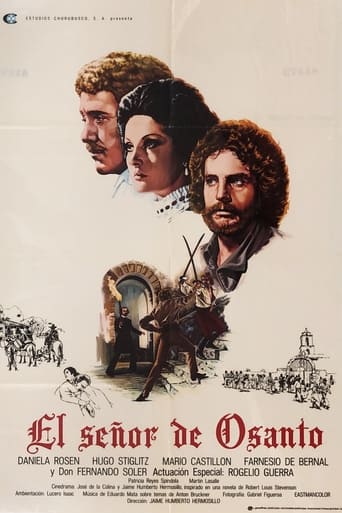
Adult brothers compete for pateral affection and for control of the family estate.


