Motalsky neighbours. Carols 1994
Film closely depicts christmas caroling from Polesie.
Film closely depicts christmas caroling from Polesie.

The father of the main character is invited to the All-Belarusian People's Assembly. There, he is shaken by the hand of President Lukashenko himself. This fact causes very strong emotions in the father, as a result of which he goes on a long-term binge. During the binge, presidential elections are held in Belarus, in which the opposition unexpectedly wins. Belarus is transformed into a classic capitalist system. Worried about his father's life, the son decides to hide this fact from him.
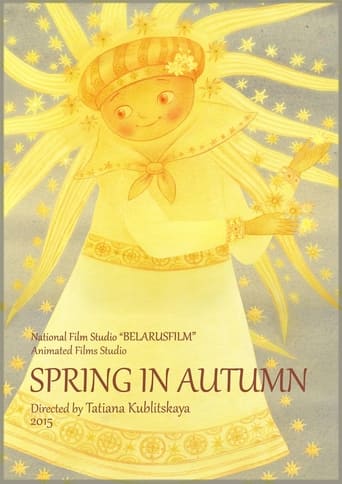
Little boy Janka became seriously ill and huddled deep within his bed. He would like to see the Sun, but autumn has chased away the good weather, cold rainy day was outside behind the window. Janka's sister, Alenka, is going to help little brother and goes to look for the Sun.
Breaking taboos: Belarusian contemporary artist Aliaksei Kuzmich gives us the keys to understanding his art of action.
Set on the Kazakh steppe in 1913 under the dual oppression of local reactionaries and Tsarist rule, the story follows Botagundz, a once-ignorant girl who, inspired by the exiled Kuznetsov, awakens to revolutionary truth. Transformed into a resolute communist fighter, she dedicates herself to overthrowing the old regime and helping establish the Kazakh Soviet government for her people’s liberation.
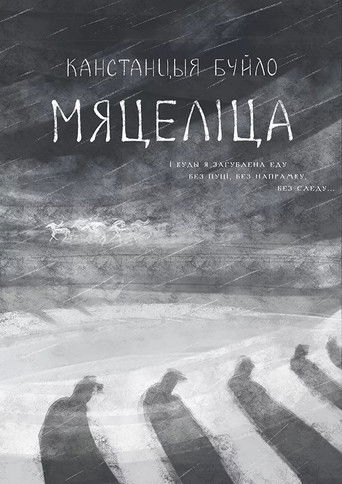
A snowstorm. An endless snowfield. Snow that never ends. A herd of white horses rushes past a chain of prisoners, dragging through the eternal night. As shadow intersects with light, so does death intersect with life. And this spontaneity is never-ending.
A film about two times refugees and their ability to maintain creativity in a time of political terror, repressed culture and fatal bombings. The experience of Belarusian creators who went through two catastrophic transformations in a short period of time. Their lives have been destroyed twice in two years, but they have the strength and energy to carry on. Create and inspire others. They establish Belarus outside the geographical borders of Belarus.
The main character is in the Minsk pre-trial detention center on Volodarsky st., which in 2020 became the main place of imprisonment for people who took part in the protests. This place is the so-called „foster of intellectuals”, because a large number of Belarusian intelligentsia served their terms there, starting from the time of the famous and significant Kalinovsky uprising in the XIXth century.
The political situation in Belarus forced Dima to flee the country. Fearing for loved ones, she constantly keeps in touch with those who had to stay there. Despite all efforts to arrange his life in Poland, he still has to fight the shadow of the past.

In August 2020, people gathered on the steps of the Belarusian State Philharmonic in Minsk to protest against the fraudulent presidential election. Holding signs that read "Our voice has been stolen", they stood up to the violence by singing together. Although the authorities pacified this spontaneous gathering, musicians soon began to appear on protest marches in shopping centers and subways, each time inspiring people with songs about the dignity, courage, fate and faith of Belarusians. This is how one of the symbols of the Belarusian resistance movement - the "Free Choir" - was born .
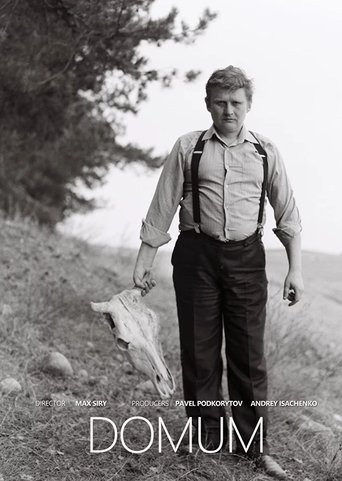
This nonfiction film captures a few days in the lives of two strikingly different people who have only one thing in common: Belarus, their country of origin. Misha is the first one. He lives with his mother and stepfather in a village called Podorosk. Misha is a history teacher, regional historian, and the founder of a local history museum. He educates children and loves his homeland. The other one is Edik. A travesti performer, a journalist. The founder of the first LGBT community in Belarus. He was forced to leave the country and now lives in Kyiv. Edik entertains young people and holds no particular love for his motherland.
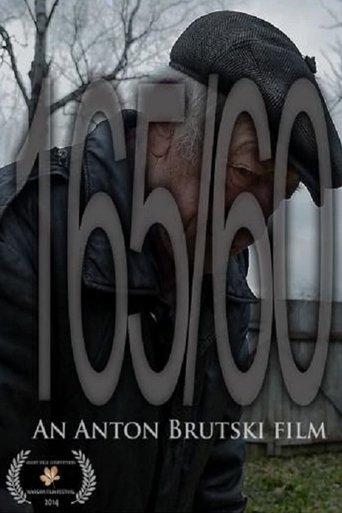
Can one triumph over death when it always comes unexpectedly? It is too early to die no matter how old you are, isn't it? Autumn. An old village in a Belarusian remote place. An elderly man is starting to objectify his fight... The director shows a portrait of the man through revealing his spirit, character, willpower in a single act while leaving the details of his life history off-screen as unnecessary. The action on the screen will provoke the viewer to put themselves in the main character’s shoes inviting them possibly to feel and/or possibly to realise their own lifetime limitation.
A convoluted murder story with no beginning or end.
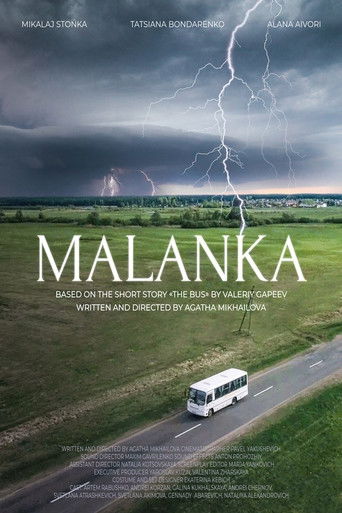
Belarus, 11 passengers from a provincial town go to Minsk, the capital,each with their own purpose. Lightning strikes the bus and something unusual begins,it drives in a circle and is unable to stop. The passengers are complete strangers and are forced to cooperate and try to find a way out of the bus to survive.
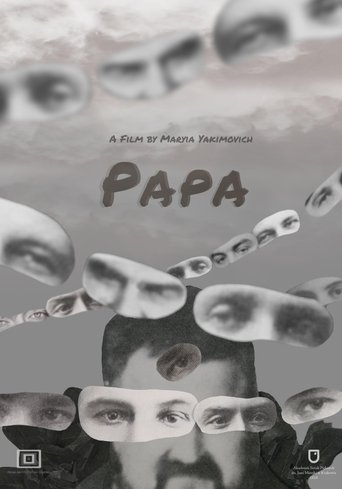
The film is shaped as a diary of the author's memories telling about the problematic relationship between father and daughter caused by the father's mental illness, and the troubles caused by this condition during the author's growth. The need of the author to free herself from the influence of the past and to break the shell of silence around this painful situation brings her back to Belarus, to shoot interviews with various family members and collect also their memories and points of view. In the end the author decides that it's time to leave this circle of painful opinions behind and strengthen her own good memories of her father building the chance to finally build a new relationship between an adult daughter and the father.

2 couples – one gay and one straight. Their delicate romance.

In 1937, most members of the Belarusian intelligentsia, including poets, were shot dead in Minsk on a "legal" basis. A few years later, their names were rehabilitated. However, despite this, most of them are still forgotten. 80 years after the tragedy, the young screenwriter begins to collect a portrait of these poets, their life in the 20-30s of the last century. Who were these people? What were their quirks? What inspired them, what they dreamed of and missed the most?

The story of a guy named Yura from the Minsk suburbs, who loves sucking locally-flavored soapy beer, staggers in search of work and tearfully sings while playing his guitar: "Chemistry, chemistry, you little wait for me and remember me." Having accidentally appeared on an opposition rally dispersed by police, Yura meets an activist of the "Beaver Youth" movement, which exists due to Western grants, and steals a cell phone from their office. And it falls into history, and more precisely, into the field of state interests of the Belarusian state. First, an American spy, and then A.G. Lukashenko himself, begin calling Yura. As a result, “Beaver” nominates a homeless president who has become the next owner of the ill-fated mobile phone, and Yura returns to his “little one,” drinking unbearable domestic beer and watching stupid TV shows.
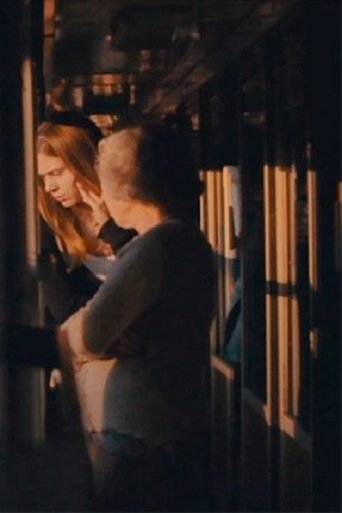
This project has been developed for 10 years and consists of several visual sketches on different topics. The main thing here is to observe life in all its manifestations

