
Fearbook 3 2023
Third film in the horror franchise "Fearbook".
Third film in the horror franchise "Fearbook".

Based on the novel "Shepherd Naidan" by writer Dondo Tsevegmid, this film shows the hardships of Mongolia before the People's Revolution of 1921 through the life of a little boy Naidang, how he experiences great hardships and the beginning of good times.
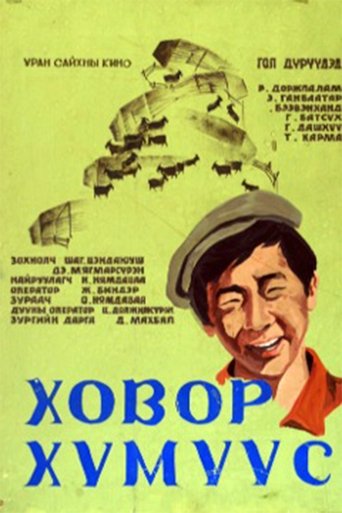
The film satirically tells about the difficulties and various problems faced by the head of the union.

While Badamkhand was studying in the city, his mother fell ill and was being treated, and because they did not have a place of their own, a local swan and a driver stayed in Tsendi. Badamkhand came to Tsendin and said to his mother, "You are a good boy, take care of this song." He will marry his mother and have a child. Tsend was a restless person. This time, Badamkhand meets Jamyan and falls in love with her, leaving her husband and child. The boy will be brought up in a children's colony due to random incidents. When Badamkhan learned about this incident, he went to visit his son, but he refused to meet him. A moral film that shows how the fate of children is affected by this.
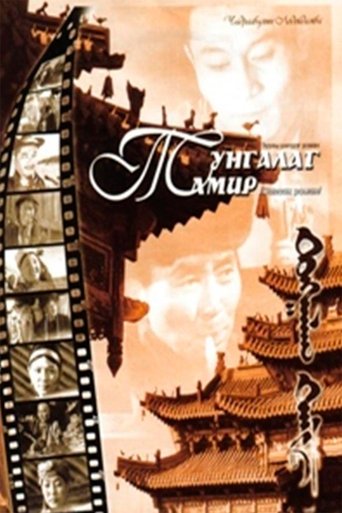
The image of the Mongolian countryside, the struggle for freedom, and the changes in the minds of the people of the new social relations are reflected in the form of an epic. The main characters of the film are the well-known characters such as Erdene, his wife Dolgor, the rich Itgum, and Timur, a good glass man called "silicon", and the complex events of their lives. appears.
It reflects the historical events of the life and struggle of the people of Kazakhstan in the western border of Mongolia before the people's revolution.
It shows the state of Mongolia during the Patriotic War, the thoughts of the people, especially the damage caused by the war to the lives of children, and expresses the meaning of hating the war.
At this time, when the direction of the country's development and the social system are changing, teenagers are not only left out of the love and care of their parents, but also of society, showing that they are oppressed by their fate and future. put forward the idea.
Khas and Nansalmaa, who believe in the government and do not give up on the hardships of life, lit their hearth, and despite the loss of their children, continue to talk and predict the good of tomorrow... The sadness that befalls an ordinary teacher is a social tragedy, not an ordinary individual's suffering. a film showing the incident.

It tells about a boy who wants to please his grandfather who came from the city. While talking about the events with Zuunai, the old man Norov said, "I have seen a lot in my life. Galkhu took the words very seriously. After that, the boy found a golden cup and wanted to please his grandfather, but when he went to the next house, he found a copper cup and took it. When the cup disappeared, even an innocent person was suspected of the crime. Mandaj boy's wishes do not come true.
The morals of young people working in rural areas, their dreams and efforts are shown through the life of Doljing, an agronomist.
It shows how the Chinese nationalistic landowners made evil plots with the intention of inheriting Manchu's imperial rights to Mongolia, and how the people of Darganga entered the path of freedom and happiness as a result of the victory of the people's revolution.
It will be shown humorously and tragically by the story of Tzumnoo, who grew up in a wealthy environment and was obsessed with the mentality of preparation, that the moral education of some young people is disappearing in Mongolia today, when democracy is transparent and the market is developing.
The original concept of "terminal" is based on drama "Rogatka" by Nikolaya Kolyada and revised by the producers. The movie plot is beautifully intertwined with Buddhist concept of Reincarnation as the two lovers re-unite in another lifetime at the end of the movie.
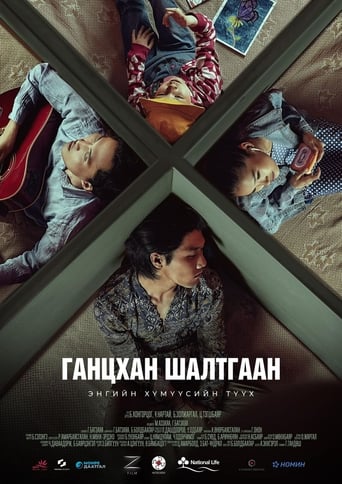
A suicidal young guy meets a little girl with life-threatening cancer while a vocalist with stage fright tries to overcome her condition with the help of a musician. This is a film about living and loving, a film that embraces the ordinary.
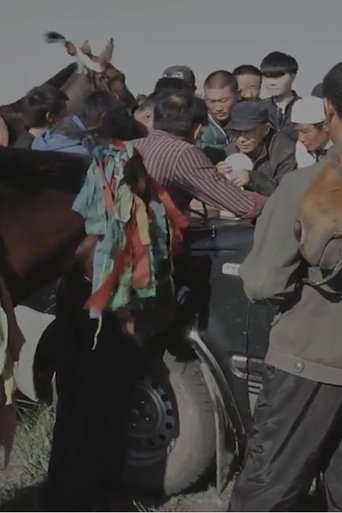
Li Wei captures the everyday lives of people in Inner Mongolia. Both Han and Mongolian people have lived for millennia across this magnificent expanse. But the traditional nomadic lifestyle has been deeply influenced by the impact of modernisation. Some herders do not live in yurts anymore—instead, they have settled in towns. Some young people would rather dress more fashionably, and only old Mongolian people wear traditional Mongolian clothing.

Based on the best-selling Mongolian horror novel, this chilling story follows a family as they move to a new house-and discover the dark secrets of its past, beneath the foundations.
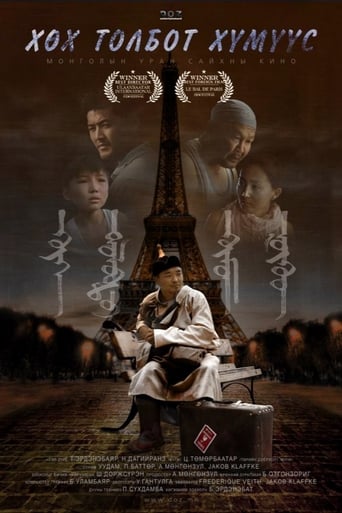
A young Mongolian man decides to go and see if the grass is greener in Paris. Of course, it isn't – despite the support of other Mongolian expatriates, the culture shock is so huge that Europe just reinforces something he was already sure of: Mongolia is the most beautiful country in the world!
A lavish period costume picture that traces, from birth to death, the life of Ravjaa Khutagt, a 19th century Mongolian priest, "a living Buddha" who exerted a large influence over his country's literature, music, and drama.
It tells about the lives of young water prospectors who are trying to dig wells in the Gobi region and make life flourish, and how they overcome the difficulties they face.
