
Hymn of Golden Soyomb 1970
It is a movie of the concert dedicated to the 50th anniversary of the declaration of the Mongolian People's Republic.
It is a movie of the concert dedicated to the 50th anniversary of the declaration of the Mongolian People's Republic.

When a group of young people learns that a mysterious murder has taken place behind the case related to Tsodol, which is alleged to have embezzled a large amount of money by issuing a fake license and signing a contract with Chinese investment, they fight to take legal action.
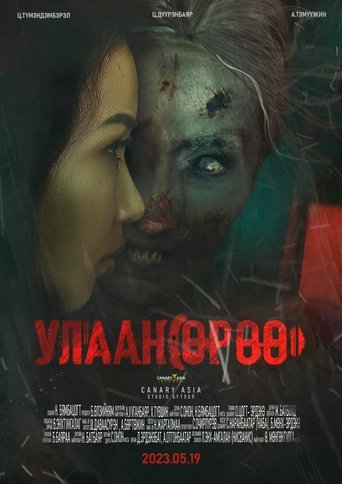
Zulaa, who was fired from his job, fulfills his dream and buys an Inn. From that day on, when extraordinary and terrible things happen in her life and she risks losing her only son, she starts to fight for her own things. But the girl did not know what caused the terrible thing to happen...

A queer love story told through voice memos

Orgil, a teenage boy with a disability, is all about basketball, even though he cannot play. One day he becomes a coach of a local high school’s basketball team by chance.
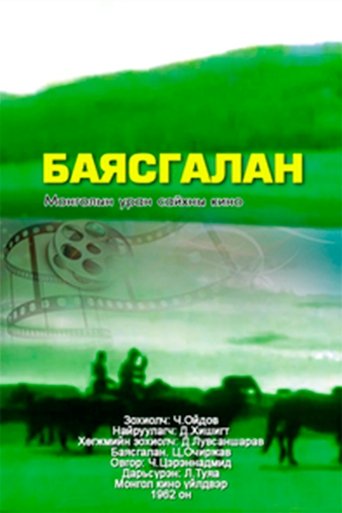
It is reflected in the lives of some narrow-minded people who discriminate between work as black and white, evaluate acquired skills and acquired experience only by a certificate, and confuse friendship with love. Bayasgalang's childhood was spent on the back of a racehorse, and his teammate studied at school in Darsuren and returned to his hometown as a teacher. While Darsuren and his students were walking in the countryside, an artist from the city attacked and painted them. Misunderstanding the mutual respect between the artist and the teacher, Bayasgalan went to the city to accept the idea that horsemanship is not a profession, and he faced great difficulties in not finding a job. On the way, he meets an artist who is suspicious of Darsuren, his wife and children, and introduces Bayasgalan. He tells the story of how he is returning to his hometown after realizing that he has wasted his time by abandoning his profession to be suspicious of an innocent man.
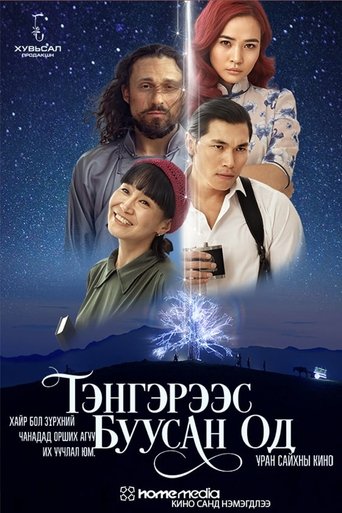
Garig, a businessman, is on a trip with his wife Od. Suddenly, he suspects his wife of cheating and leaves without her. The wife reaches a province nearby and meets foreigner Steve and outcast Lut.
This fascinating film depicts the Taigana, an unusual tribe of nomads living in the mountainous Hovsgol region of Mongolia, near the Siberian border. Nomadism has deep spiritual meaning for the Taigana; their annual migration represents the cyclical nature of life to them and has profound sacred meanings. All their activities are dictated by the world of the spirits. They believe the valleys and mountains are inhabited by their forefathers and by the Supreme Divinity.The Taigana are entirely dependent on their reindeer. They use the sturdy animals to move along the same paths their ancestors did for hundreds of years. Each family owns ten to seventy reindeer which provide most of the diet of the Taigana. The meat is dried and preserved while the milk is used for drinking and making cheese. The skin is utilized to make clothing for the extremely cold winter.
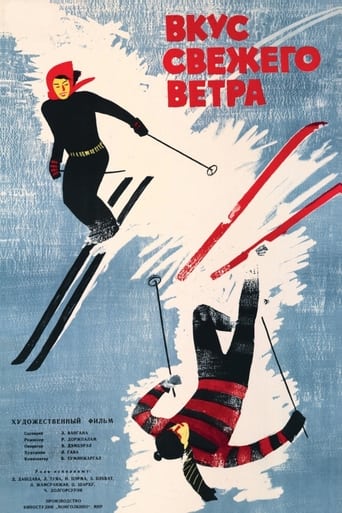
This film is intended to promote the mass movement of physical education to the masses. Choijil, a boastful young man with a tendency to ignore everything, meets Densmaa at a party and dreams of her. On the weekend, Densmaa and Yanjmaa suggested to Choijil that they go skiing on the mountain, but he agreed, even though he had never put a ski on his feet, and told the two girls how he was having fun.
In the 1940s, a group of people on the mission of Japanese intelligence carried out sabotage activities against the revolutionaries. In this complicated period, the anti-revolutionary policies of the anti-revolutionaries and the responsibility of the people's vigilance protection organization were high. Dardulam and her husband Danzan were able to express the meaning of the film interestingly through the events of a family's life. is. The script was written by D. Namdag based on the idea of one of his famous plays.

Four guys accidentally find loot of a robbery. No one knows this besides them, but they’ll be suspected the moment they start spending the money.
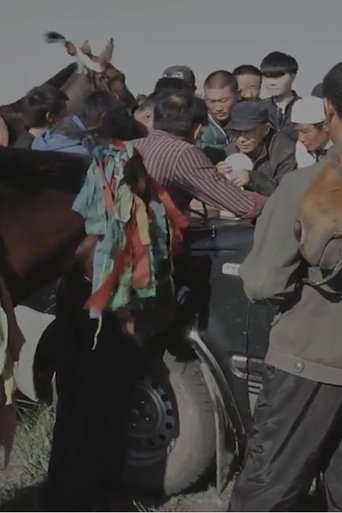
Li Wei captures the everyday lives of people in Inner Mongolia. Both Han and Mongolian people have lived for millennia across this magnificent expanse. But the traditional nomadic lifestyle has been deeply influenced by the impact of modernisation. Some herders do not live in yurts anymore—instead, they have settled in towns. Some young people would rather dress more fashionably, and only old Mongolian people wear traditional Mongolian clothing.
In Mongolia, a third of the population lives in poverty. Is that why the suicide rate is so high? Suicide survivors and family members of those who have taken their lives relate their circumstances, far removed from the freedoms of traditional nomadic life. Not all of them wish to be identifiable in the film; suicide is a taboo. In the darkness, a teenager whispers emotionally about her brother’s suicide and a couple who lives off selling scrap metal tells a story of their son’s survival. The stories come from different parts of the country, but everywhere the reasons given for suicide are similar: hopelessness, unemployment, loneliness and harshness of life.
In 1928, when scientific hospitals were introduced to Mongolia, the Russian female doctors who came to rural areas and the famous local maarambas overcame old customs, opinions, and religious influences, and showed how people's views were changed and a new morality was formed in their minds.
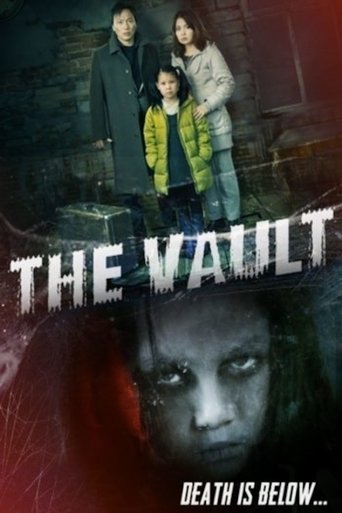
Based on the best-selling Mongolian horror novel, this chilling story follows a family as they move to a new house-and discover the dark secrets of its past, beneath the foundations.
"I always feel helpless watching how we human beings destroy nature to satisfy our ever-increasing consumption. We all act as if we have no choice but to consume more and more. One day I was looking at the moss I collected from the forest and suddenly thought, What would it be like if I eat moss? I tried to eat it and recorded my act. The taste was really awful."
Breathtaking cinematography provides an intimate glimpse into the life of Nomadic sheep herders on the Mongolian steppe. For Purevjav and his family, the predatory wolves who steal sheep at night are as troubling as the grazing land that is disappearing as with the mining boom. With quiet dignity, Purevjav speaks of the sacred relationship between human and wolf and how exploitation and misuse of the land has transgressed humanity's sacred connection to the landscape.
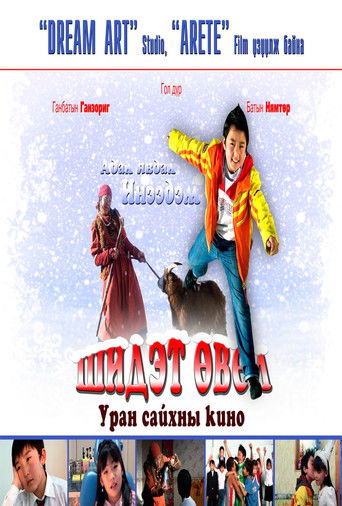
The film begins with Bataa helping a woman. In return for his help, the woman teaches him a "magic word" that grants wishes. But Bataa starts using it for the wrong reasons. However, the film continues with Bataa realizing his mistake and realizing that he can do everything on his own, and showing his talent.
Along with the growth and strengthening of agricultural collectives, it is said that there is a great evolution in the minds of the people, and it is shown that large collective farms are being established.
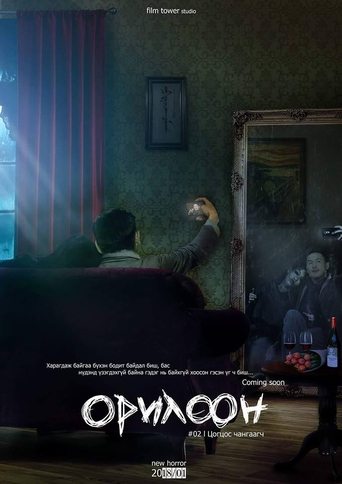
Mongolian horror anthology

