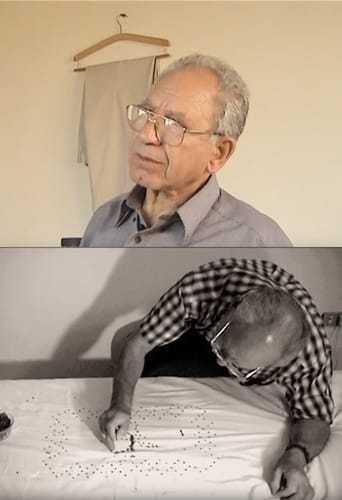
Cousin 2001
'Ibn al-'Amm' shed light on the eighteen years Riyad al-Turk spent as a political prisoner under Hafez al-Assad, before his son Bashar al-Assad imprisoned him for two years at the beginning of his reign.
'Ibn al-'Amm' shed light on the eighteen years Riyad al-Turk spent as a political prisoner under Hafez al-Assad, before his son Bashar al-Assad imprisoned him for two years at the beginning of his reign.

A picturesque fishermen village overlooking the Mediterranean, Paradise is a Palestinian enclave inside the state of Israel, with a history that ecoes stories of a massacre and deportation. When the director investigates the secret past of her village Paradise, she uncovers more than she expected. Before she knows it, she is warned by her mother: "don't be like Sou'ad" - referring to the sad story about a rebellious "bad girl" whose story became a myth in the village. Accused and imprisoned as a PLO activist back in the 70's, Sou'ad is more than just a role model for the young director. But when she deepening her research, her trouble really begins. A filmic-diary about recreating a lost history, and about re-defining modern womanhood within the traditional village life.

On the day of her wedding, a young girl hides from her family. The preparations and celebration, however, continue without her. The film depicts the conflict and anguish of women who face unwanted arranged marriages.
A young man is shunned by his friends after he starts an affair with a dancer.
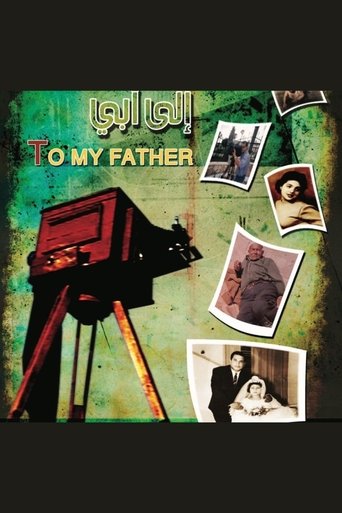
Those were the days when girls were prettier, when eyes were in all colours, without any colour. What's Different now - the camera, or the eyes?" asks Abdel Salam Shehadah's poetic and mesmerizing homage to the studio photographers of the 1950's - 70's. Set partly in a refugee camp in Rafah, this is a remarkable look back at fifty years of Palestinian and Arab history, through photographs, reportage and the voices of these photographers today.
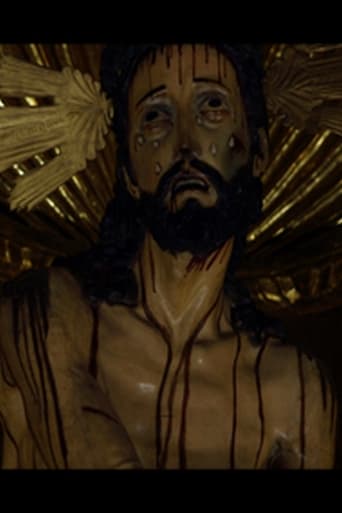
Two stories expose the ways in which medicine, law and religion shape discourses of the gendered body: Martina’s, who lived in Colombia in the 19th century and was prosecuted for being a hermaphrodite, and Nour’s, who lived in Beirut during the Ottoman Empire and was forced to marry to her female lover’s brother.
Libyan documentary.
Directed by Nabiha Lutfi.
Directed by Georges Qa'i.
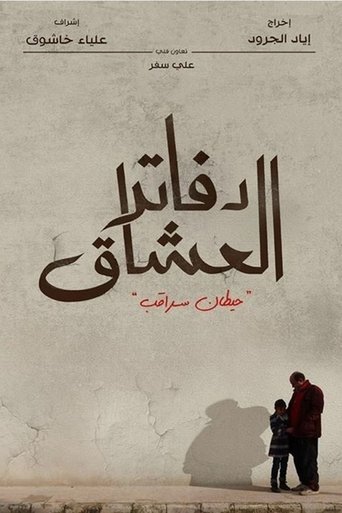
The population of Saraqeb in Syria expresses the ongoing misery in their country and the changes after the revolution through graffiti. The walls are the basis for their existence, providing protection from outside violence. They also bear the names of martyrs, common expressions, poetry, revolutionary slogans and other graffiti. The documentary Lovers' Notebooks was shot over three years and is the first film by Saraqeb inhabitant and media activist Eyad Aljarod who directed it with Canadian-Syrian Aliaa Khachouk. The film reveals the constant tension between the revolt-sparked energy and a sense of despair, between leaving a place and the decision to return, between the euphoria about the beauty of an image and the fear of war. During the film and during the night, the walls of Saraqeb are filled with text like a lover's notebook.
A tale of national identity and the meaning of territory in Lebanon. Narrated from a first-person perspective, it focuses on a country defined by religion, whose communities are fearful of demographic partition.
Short film about the politics of measuring.
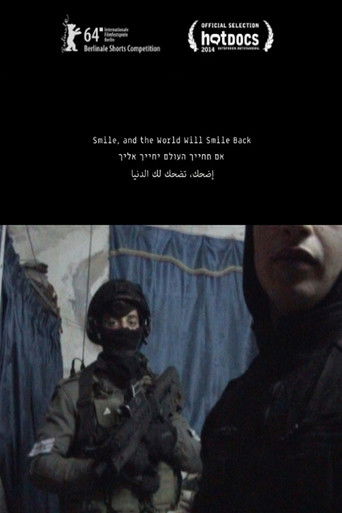
Smile, and the World Will Smile Back”, a documentary film by the al-Haddad family of Hebron made in collaboration with Ehab Tarabieh and Yoav Gross – volunteer photographers in B'Tselem's camera project and filmmakers, respectively – is to be screened as part of the short film competition at the Berlinale International Film Festival. The film documents one winter’s night at the al-Haddad home in the Palestinian town of Hebron. A group of soldiers arrives for a routine night search there, for reasons unknown to the family. Diaa and Shatha al-Hadaad, brother and sister, pick up the home video camera and record the events as they unfold throughout the night. The soldiers force Diaa to stand facing a wall, saying they won’t leave unless he stops smiling.
Oil and Sand was an extravagant film made by members of the Egyptian royal family and a few friends and relatives in 1952 about a coup d'état, shot just weeks before the royals were overthrown in a real coup. The completed Technicolor film was destroyed by the director in fear that it would be used as propaganda against the ousted monarchy. Following Mahmoud Sabit, the man who found the original 8mm reels and who is himself a relation of the late king of Egypt, this documentary focuses on the reconstruction of the film's story, its array of real life players, and the political circumstances surrounding the shoot. This uncanny marriage of fiction and reality reveals that the original film not only managed to unwittingly predict the fate of the King, but also foresaw the next 60 years of relations between Egypt and the West.
Explores the fateful intersections of a group of characters besieged by crises, foremost among them Heba, a teacher living in a working-class neighborhood who finds herself alone facing fierce challenges. Heba isn't fighting for her personal dreams, but rather for the survival of her struggling family, as she bears the responsibility for her disabled brother, in addition to her agonizing battle against time to save her mother from illness.
