Hong Kong’s Fight for Freedom 2022
As a bill allowing extradition to China sparks anger in Hong Kong, four young protesters take drastic action when they realise how far the authorities will go to silence them.
As a bill allowing extradition to China sparks anger in Hong Kong, four young protesters take drastic action when they realise how far the authorities will go to silence them.
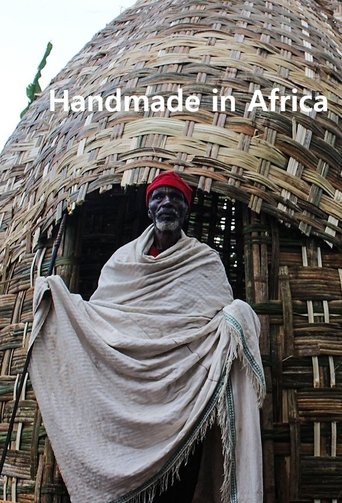
Observational documentary series that explores inherited knowledge and the meaning of tradition, master craftsmanship and artistic processes in three African cultures.
Human, All Too Human is a three-part 1999 documentary television series co-produced by the BBC and RM Arts. It follows the lives of three prominent European philosophers: Friedrich Nietzsche, Martin Heidegger and Jean-Paul Sartre. The theme revolves heavily around the school of philosophical thought known as Existentialism, although the term had not been coined at the time of Nietzsche's writing and Heidegger declaimed the label. The documentary is named after the 1878 book written by Nietzsche, titled Human, All Too Human: A Book for Free Spirits.
Two years since struggling to build a home from scratch for less than £100k, owners now face the ultimate test - finishing them off!

Numbertime was a BBC educational television series for primary schools that was aired on BBC Two from September 20, 1993 to December 3, 2001. For its first four series, it was presented by Lolita Chakrabarti. El Nombre, an animated character from Numbertime, eventually became the concept for another educational BBC children's television program; his name means "The Name" in Spanish, and not "The Number", which would be "El Número".
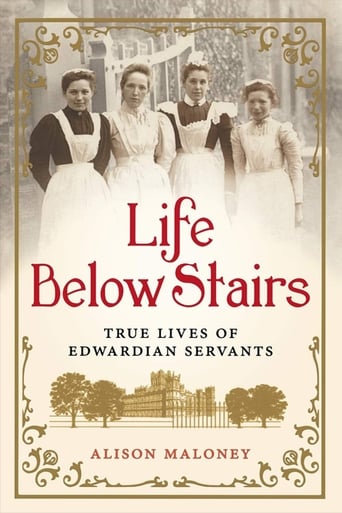
A century ago, 1.5 million British people worked as servants – astonishingly, more than worked in factories or farms. But while servants are often portrayed as characters in period dramas, the real stories of Britain’s servants have largely been forgotten. Presented by social historian Dr Pamela Cox – herself the great-granddaughter of servants – this three-part series uncovers the reality of servants’ lives from the Victorian era through to the Second World War.
Jimmy Doherty embarks on a quest to reveal the hidden lives of farmyard animals.
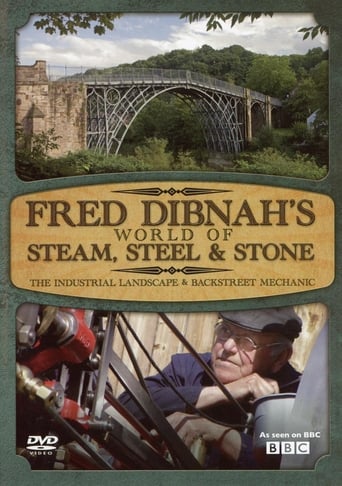
Series which looks at the many sides of Fred Dibnah - engineer, steeplejack, artist, craftsman, steam enthusiast and inventor - and celebrates his contribution to our knowledge and appreciation of Britain's architectural, industrial and engineering heritage.
Doctor of extreme medicine, Kevin Fong uses his own body to demonstrate how unsuited our biology is to much of the planet - and how we have had to develop the technology to let us survive there

Leading behaviour expert Marie Gentles is heading to Beacon Hill Academy in the West Midlands, where in the aftermath of the Covid-19 pandemic, some of the pupils are struggling.

Mary Berry explores the wonderful world of simple comfort food, bringing fuss-free recipes that can warm the cockles and lift the spirits.

Music writer Dylan Jones puts the case that the 1980s were the most radical, innovative and creative decade in the history of pop.
Gareth Malone, star of BBC Two's The Choir, takes on one of his biggest challenges to date, joining the production team at Glyndebourne in the role of youth chorus leader on his first opera.
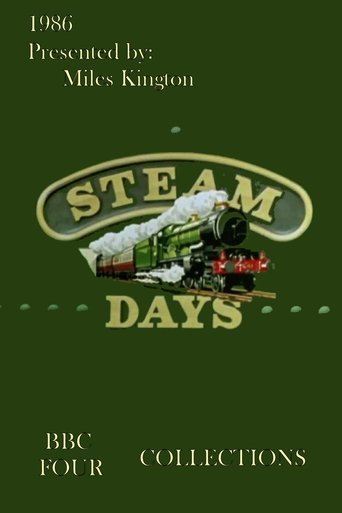
Steam Days is a 1986 BBC 2 television documentary series written and presented by Miles Kington. Each episode is themed around the history of British steam locomotives and railways, particularly highlighting preserved locomotives operating at the time of its filming. The series consists of six half hour episodes. It aired on Public Television stations in the United States under the title Great Steam Trains.

Following officers from Staffordshire’s overstretched police force as they talk candidly about the frustrations of being on the beat in one of the UK’s most deprived cities - Stoke-on-Trent.
A two-part broadcast of Kelly Monteith's one-man show from the Ambassadors Theatre, London.
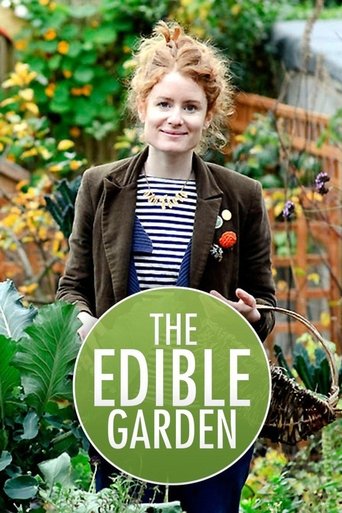
Alys Fowler attempts to avoid shop-bought fruit and vegetables and live off her own, home-grown produce.
From the frontline workers on the streets to the leaders making the big decisions. Access all areas with the people dedicated to making their city a better place.
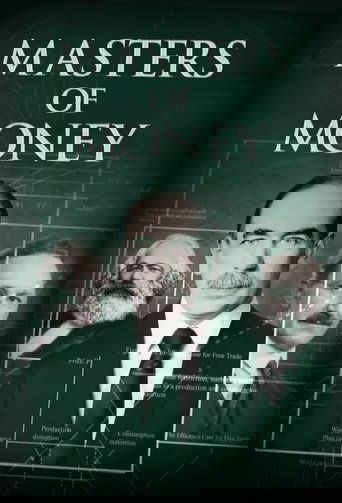
Stephanie Flanders explores the ideas of three influential thinkers who transformed international economics, and examines how their influence has shaped the 20th and 21st centuries. She begins by profiling John Maynard Keynes, the Cambridge-born economist whose ideas revolutionized the approach of Western governments to financial crises during the Great Depression and the Second World War, and explains why the world's leaders drew on his teachings as the global meltdown took hold in 2008.
Using pioneering seamless filming techniques, the series explores magic moments when Earth bursts into life - fleeting windows of time when the conditions are just right and animals spring into action.

