Cinderella 1898
An adaptation of the folk tale.
An adaptation of the folk tale.
Film adaptation of the famous French folktale by Georges Hatot.
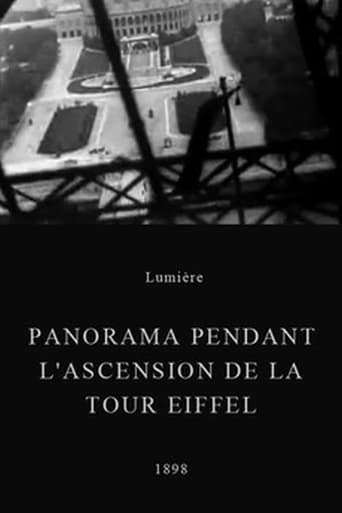
Panorama during the ascent of the Eiffel Tower.
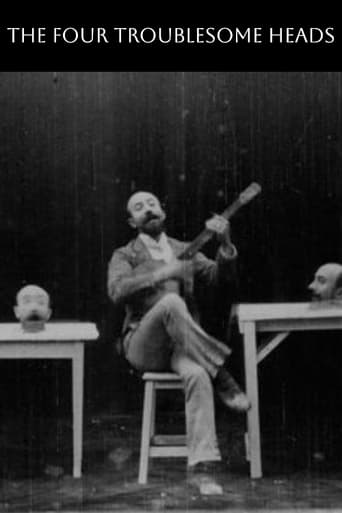
One of the greatest of black art pictures. The conjurer appears before the audience, with his head in its proper place. He then removes his head, and throwing it in the air, it appears on the table opposite another head, and both detached heads sing in unison. The conjurer then removes it a third time. You then see all three of his heads, which are exact duplicates, upon the table at one time, while the conjurer again stands before the audience with his head perfectly intact, singing in unison with the three heads upon the table. He closes the picture by bowing himself from the stage.
Passage of a Shintoist procession, whose members carry banners and lanterns, somewhere in Kyoto.
Two fighters, in traditional costume, taking part to the national kendo tournament.
Scene of the last supper.

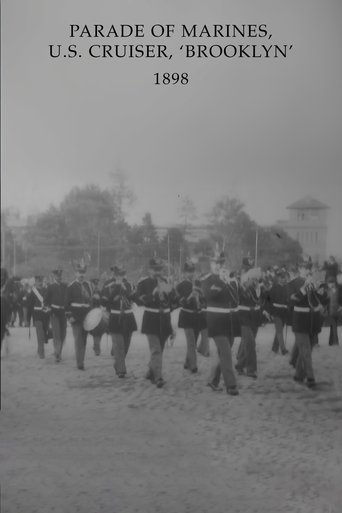
A short documentary capturing the officers and crew of the USS Brooklyn during a naval parade in Brooklyn, New York, on October 1, 1898, following the Spanish-American War. The film features the ship’s 300 Marines and the Marine Band, reflecting public celebrations of the U.S. Navy’s role in the conflict.
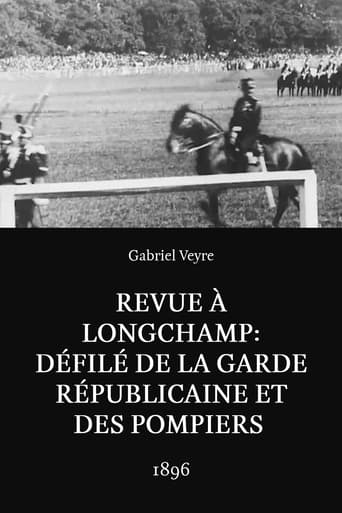
A review of the Republican Guard and firemen at Longchamp filmed by the Lumière brothers.


A hypnotism scene from the Lumière Brothers.
An oddly routed parade.
Directed by James H. White.
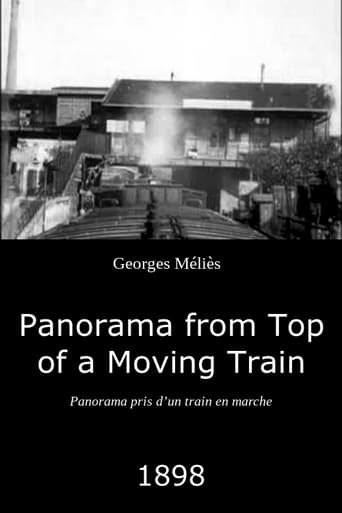
With the cameraman atop a moving train car the viewer is given a one minute glimpse of a French urban area.
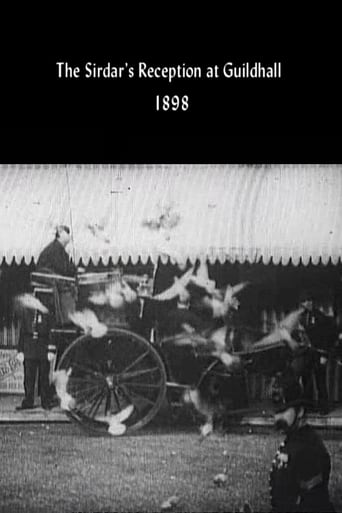
A showcase of trapeze artist Alciede Capitaine, billed as “The Perfect Woman,” whose daring feats on the flying bar combined grace with breathtaking athleticism. Produced by Edison in 1898, this title should not be confused with Dickson’s earlier 1894 short Mlle. Capitaine, which also featured the performer.
