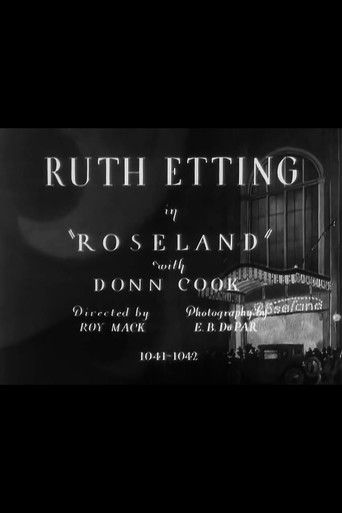
Roseland 1930
A pretty dance hall girl is looking for the right guy.
A pretty dance hall girl is looking for the right guy.
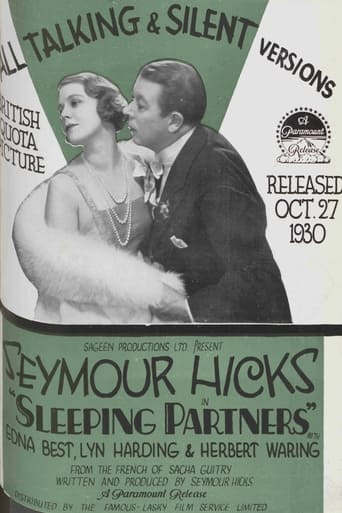
A neglected wife spends the night with a roué after drinking a sleeping draught.

A wealthy financier fatally wounds himself while handling a dagger. Before dying, he leaves a private letter to his lawyer accusing his wife. It is the financier's son who becomes the suspect. In love with the young woman, the lawyer is torn between duty and love.
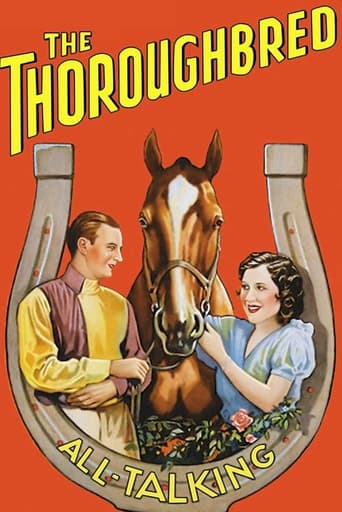
Unemployed jockey Tod Taylor gets a huge break when he is hired by Matt Riley. Within weeks, Taylor is riding Riley's horses to a string of victories. Success and the limelight go right to the jockey's head. Big-time gambler Tom Drake hires a blonde sexpot to seduce Tod and introduce him to the roulette wheel. Showing off, he starts playing for stakes way over his head. With Drake holding a huge note that Tod can't possibly pay off, he delivers an ultimatum — lose the big race tomorrow or a police detective will be waiting at the finish line to arrest him for passing bad checks.

Otto Ott owns and operates a summer garden, which is successful if only because they serve the largest beers in town for only 5¢ apiece. The problem is Otto's manager wife. Although they have been married only a year, to him it feels like an eternity. Mrs. Ott is the bane of all the waiters' existences, all of whom she fires. This situation causes a staffing problem for Otto. Otto's solution may lead to another problem for him at home, while Mrs. Ott's solution causes further problems for Otto, one which may not be entirely her fault.
Short comedy vehicle for performer Petrolini, about a blind man who sings in the streets and courtyards of Rome and who tries to score a kiss as a favor from a woman whose beauty he can only sense, not actually see.
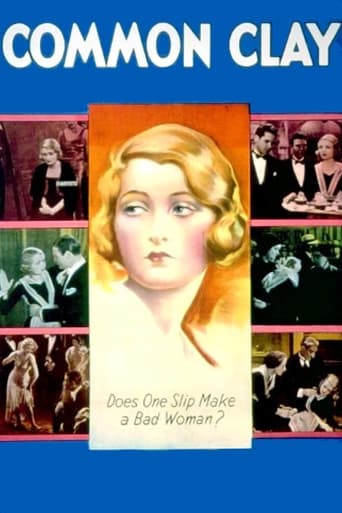
Young Ellen Neal gets work as a servant with the wealthy Fullerton family. She falls in love with the Fullerton's handsome young son. But he leaves her with child, and when she attempts to gain recognition for her child, the Fullerton family treats her as a blackmailer. But a surprise awaits them all.
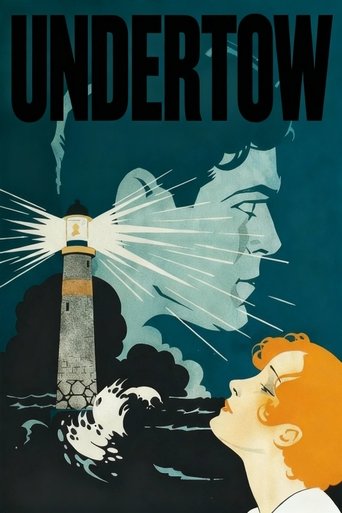
Johnny Mack Brown stars as Paul, who wants nothing more out of life than to take charge of a lighthouse. Falling in love with Sally (Mary Nolan), Paul talks her into sharing his life as a lighthouse keeper. Evidently staring into the beacon once too often, Paul goes blind, and it's quite a chore for footloose Sally to remain faithful. Making matters worse is the arrival of a double-dyed villain (Robert Ellis) who intends to "have his way" with the long-suffering heroine.
Jack King plays the piano and also asks some questions. Josephine Harmon goes through some songs and quips with vocal harmonizing.
Johann Strauss returns to Austria in 1848 after a visit to Russia.

Tom Dugan trying to go on a date behind his wife's back gets a surprise.
A police dog helps to track down two payroll robbers.
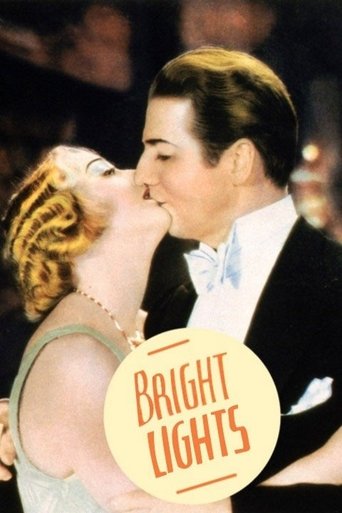
A successful Broadway star ready to retire from her wild career announces her engagement. But her tumultuous past isn't done with her yet.
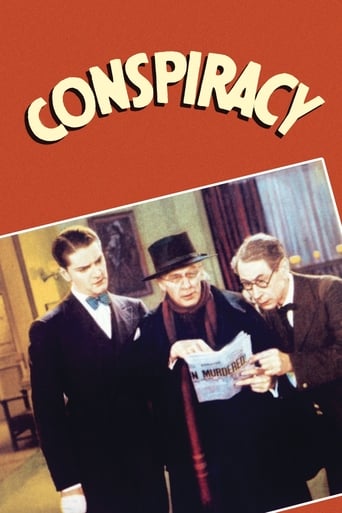
Margaret Holt and her brother Victor set out to smash a narcotics ring responsible for their father's death. Young reporter John Howell and eccentric mystery writer Winthrop Clavering help unravel the truth about the murder.

In this comedy, a Yiddish fellow cannot keep from kibitzing into other people's lives. Trouble ensues when he is mistakenly given a huge fortune in stocks that he can spend any way he pleases. At the same time, his daughter has fallen in love with an impoverished, but good hearted boy. When the kibitzer suggests he bet all his money on a dog of a racehorse, the lad does it. Against all odds, the horse wins, and suddenly the young man is quite wealthy.
Kathleen O'Connor, fresh off the boat from Ireland, must decide between the two men who love her - a poor plumber and a wealthy politician.
A lot terrier saves a man's daughter and finds his tramp master,

An expedition enters an area of the Congo jungle to investigate reports of a gorilla-worshipping tribe.
Wochende (Weekend) is a film initially commissioned by the Berlin Radio Hour. Prior to Weekend, Ruttmann had made numerous celebrated avant-garde films, namely Opus I-IV, and the spectacular Berlin: Symphony of a City (1927). The advent of sound films dawned, and, interested in how spectators perceive sound, he premiered a film without pictures. On June 13th, 1930, the audience took their seats, the lights went down, and the sound of the film was heard. But the screen was completely blank.
