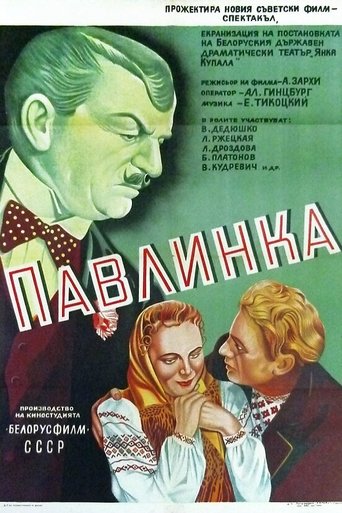
Pavlinka 1952
About the love of a Belarusian peasant girl Pavlinka and a village teacher Yakim, about the obstacles that stood in their way, about how they fought against them and defended their happiness.
About the love of a Belarusian peasant girl Pavlinka and a village teacher Yakim, about the obstacles that stood in their way, about how they fought against them and defended their happiness.
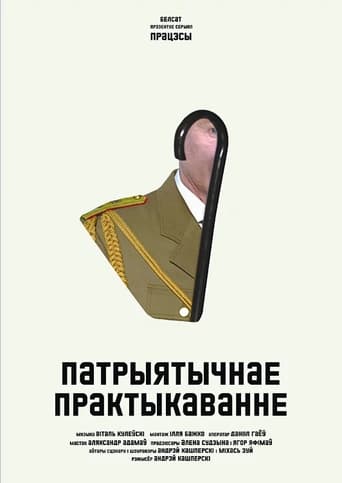
KGB officers present junior schoolchildren with a golden ticket granting a tour around the magical KGB building. There, kids are shown the supernatural working methods of the most important and patriotic agency in the country: non-contact fighting, blindfolded shooting, and telepathy. At the end of the excursion, the KGB employees give the most resilient students the opportunity to feel like real patriots and personally get a confession from the traitors to the country with the help of electric shocks.
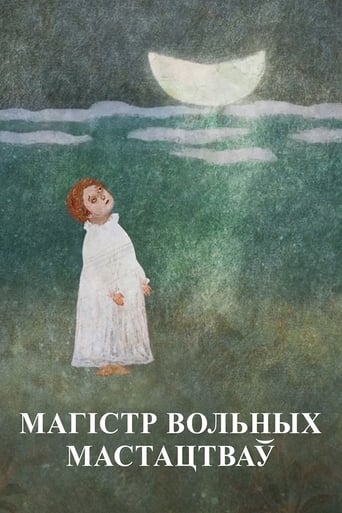
The film is dedicated to the Belarusian first printer and educator Francysk Skaryn. In a mysterious and magical atmosphere, whether it is a dream or a reality, Francysk Skaryn meets an inquisitive lion at night who can talk. Skaryn answers the intelligent animal's questions, and in this way tells about his life.

A group of archaeologists, led by future politician Zianon Pazniak, discover a mass grave in a forest near Minsk.
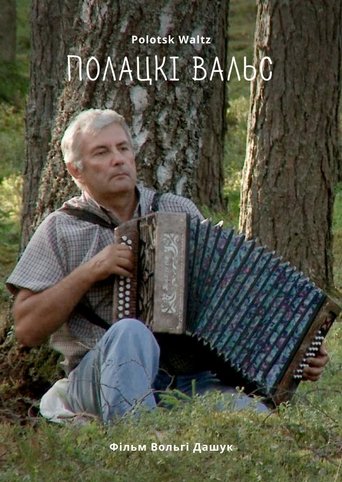
Vasil Granouski is 58. He's living in a village, where he leads a local choir. It consists of only elderly performers. The harmonic Vasil plays is also old, and it lacks a couple of keys. His car, in which he drivers the singers around, is faulty and doesn't always start.
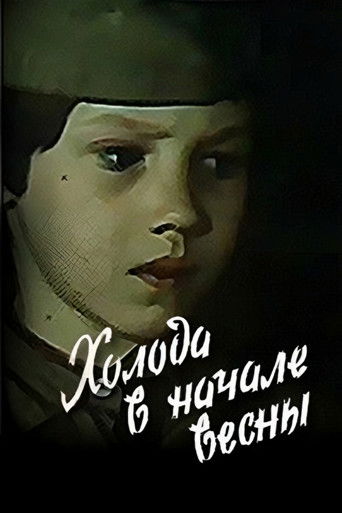
The action takes place during the Great Patriotic War in Belarus. The village in which the boy Kastus lived was located in the partisan zone. He soon made friends with the partisans, who became close people to him. The loss of his older friends was unexpected and difficult for Kastus...
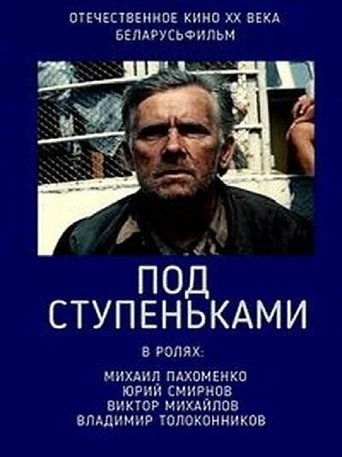
Yakov Deryabin returns from prison, where he ended up thanks to his wife, and suffers in search of work and housing. No one takes part in the fate of a kind and unfortunate man. And while he sleeps in the entrance of an apartment building under the stairs...

One of the five-part documentary series by Belarusian writer and director Viktor Dashuk, which recounts the horrors experienced by the Belarusian people during World War II, through firsthand accounts of survivors and newsreel footage.
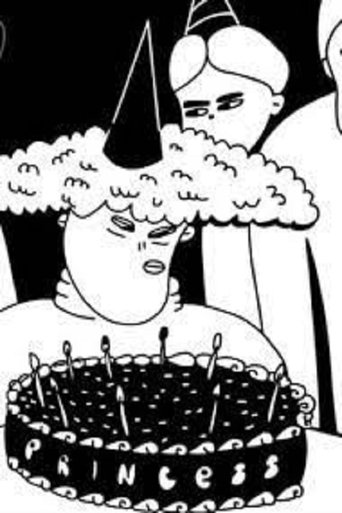
Structured as a series of vignettes drawn in stark black and white, and to a soundtrack of mournful jazz, the film is a set of confessions anchored in fear, confusion, numbness, and anxiety.
Set in a small, typical Belarusian village – granny Sima’s only concern is for the future of her alcoholic son, Vanya. Accompanied by her best friend, a white goat called Manya, she starts a war with her neighbor, Glasha, who happens to be the village Vodka maker…
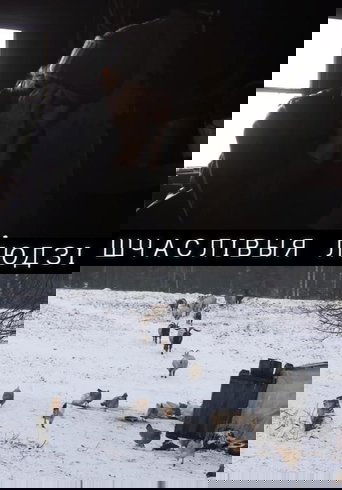
Godforsaken places where people live detached from society are still present in the world. But Belarus, a country integrated into civilisation processes, can hardly boast of their existence. The authors tell the stories of two families residing in Rasony district, in a forest close to the border with Russia. Having gone bush they do without electricity, communication and other habiliments of civilisation. Being eager to start a new life they came back to the native country from big cities – Moscow, Saint Petersburg... But their dreams and expectations confronted Belarus's reality...

A creature takes up residence in a young man's room and feeds him but, at the same time, kills him. His life is falling apart, and he has no choice but to fight to the death against this dependency.

Andrei is a man who has lost everything. Volha, his wife, has lost everything too. They lost it all when they emigrated to a foreign country. They can’t manage to build a new life. They live in their memories.
Radiation came and changed a lot. The last villagers live as in another reality, but it doesn’t seem to be as gloomy as it might appear.
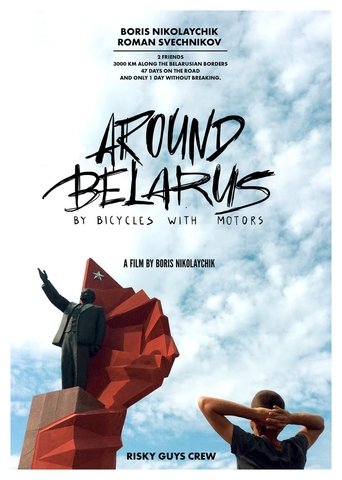
Two friends set off on a journey along the borders of Belarus on Chinese bicycles with gasoline engines. 47 days of travel, endless breakdowns and dozens of random encounters add up to sketches about the life of the outskirts of the most Soviet of all post-Soviet countries. Villagers, students, rappers, drunks. The long road gradually erases the line between reality and cinema, and with each kilometer it becomes more difficult to distinguish one from the other.

A film about dreams and ambitions in the Belarus through the eyes of the younger generation. An insight into the recent history of Belarus and the growing movement for change in 'Europe's last dictatorship'.

