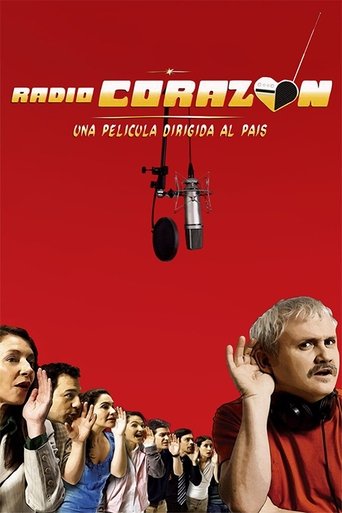
Radio Corazón 2007
Radio Corazón recreates Chile's most successful radio show of all time. Composed of 3 fun, sexy and romantic short films based on true stories as told by the show's listeners to "Rumpy", an unparalleled radio host.
Radio Corazón recreates Chile's most successful radio show of all time. Composed of 3 fun, sexy and romantic short films based on true stories as told by the show's listeners to "Rumpy", an unparalleled radio host.

The story of Aphrodite from her birth and her relationship with the other gods of Greek mythology.

Roberto y su nueva familia estan pasando por dificultades economicas por lo que decide formar otra vez su vieja banda y comienzan a tratar de organizar algunos robos que resultan mal. La esposa de Roberto y su abuelita recurren al engaño disfrazandose de monjitas para poder vender galletas y rompope, sin embargo la abuelita hace de las suyas y se meten en problemas.

Carmen is in poverty because his dad died. She's start working in a beauty salon in México City. There's she meet Frank, the son of a important oil company president. Then, she meet Oscar at the Beauty Saloon too, who sell her to a cabaret in Shangai. After that she became spy of the Chinese Empire.
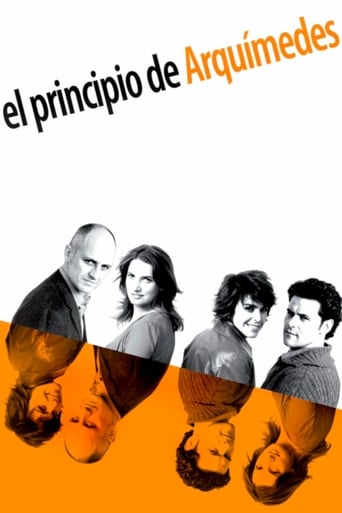
Sonia and Rocio are two friends who are not happy with their lives. Sonia is a fashion executive who hardly sees her son and husband, while Rocio wants to find a good job. Both believe that the life of the other would make them happier.
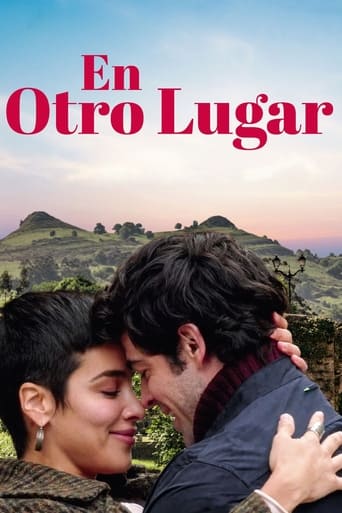
Pedro, who is having a tough time, receives the news that his grandfather died. He inherits 2 cows and a donkey. He and his uncle go to the village where his grandfather lived. But this journey will end up as they never expected.

Set in a dystopian future, a lesbian couple seeks refuge in an abandoned childhood home.
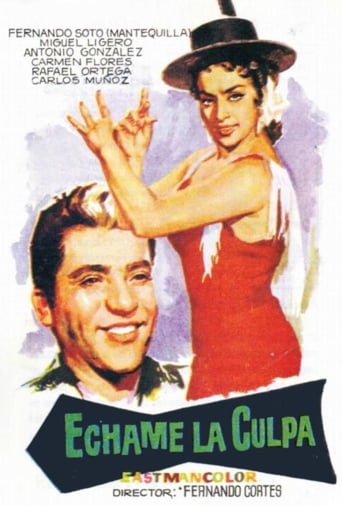
A Mexican steer rancher goes to Spain to get some bulls he bought but that were never delivered. He meets a flamenco dancer during his stay in Madrid and falls for her.
Los Montes de la Ermita, region of Bierzo Alto, in the province of León, Spain. Six women assist Joaquín —the only and last inhabitant of the remote village, located on the slopes of the mythical and mysterious Catoute Peak—, who is in danger of death due to an unfortunate accident.
On the Guajira peninsula in northern Columbia the old traditions of the indigenous Wayuu still hold sway. As soon as they begin menstruating, young women have to go and spend a year in a simple hut where only a few women are allowed to visit them. Contact with men is taboo. The grandmother is chiefly responsible for preparing the girl for her role as a woman during this period of seclusion. Pili is 12 years old when, for her grandmother's sake, she decides to follow this custom. But does she really know what she is taking on?

Begoña, Pelayo and María are saying a last goodbye to their mother. Confusion arises when they discover she wanted to be buried in a very special outfit.
Los dineros del diablo (The Devil's Money) is a Mexican drama film directed by Alejandro Galindo. It was released in 1953 and starring Amalia Aguilar and Roberto Cañedo.

A couple, due to the monotony of life, decides to look for an option to spice up the relationship, not thinking that Dasha will find an easy way out of her problems.

After breaking up with Norberto who ran away to Iceland, Bruno wants to find him. Arnau, a local tour guide in Reykjavik, will enroll in his search. Their trip will become a grieving process until they reach the remote island of Grimsey.
A 15-year-old girl and her father join an old friend on an island off the coast of Puerto Rico for the most spectacular solar eclipse in modern history. The characters are affected by the eclipse and somehow come undone.

About 20,000 people attended, on Wednesday night, the Mexican group RBD show in Manaus, held at the Sambadrome. The presentation was the starting point of the Brazilian tour, which will also pass through Belém, Fortaleza, Goiania, Brasilia, Recife, Vitoria, Belo Horizonte, Porto Alegre, Curitiba and Rio de Janeiro.
Ana Luisa is single and has been getting up early to open the hairdresser's shop in her living room for 30 years. Tato is married, and has been getting up even earlier to go to the Brasil neighborhood and attend Ana Luisa's hairdressing salon for 40 years. Hairstyles and cuts, it is the only thing left to offer. The hairdresser's is her refuge in the middle of a neighborhood that has become too young for their eyes. Among those who visit them is Aurora, a goddaughter who offers Ana Luisa an opportunity to try to revive the business. The plan is simple: she makes some flyers to be handed out in the square. Ana Luisa doesn't see the point of trying something like this, Tato believes that nothing is lost. They agree on one thing: handing them out will mean accepting anyone who wants to go for a cut, even the young people who they say mistreat the neighborhood.
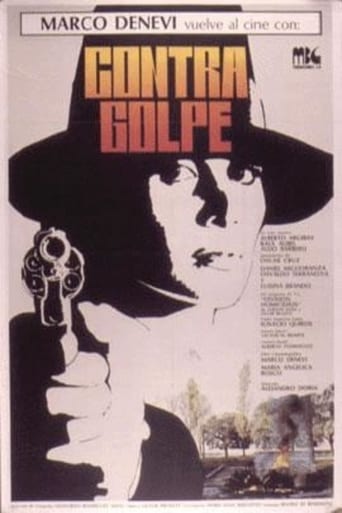
Buenos Aires, 1932. After a series of warning attacks from an enemy, a mafia boss decides to fake his own death and then strike back. Things don't go according to his plan.
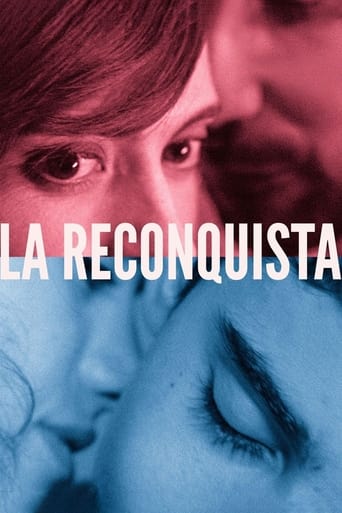
Manuela and Olmo meet in a future as they had promised fifteen years earlier as teenagers, when they lived their first love. Based on this romantic situation, La Reconquista is in fact a film on a quest for time; or about the awareness of time: of time lost and time recovered; about what we remember about ourselves and what we don't remember; about the words, gestures and feelings to which we remain faithful, because they define and compel us today, yesterday and tomorrow.
Some spaces draw attention, as if they evoke something that’s about to happen. These are the places where we escape when we dream or die. The only thing that exists is time; we wait for the moment to arrive.
