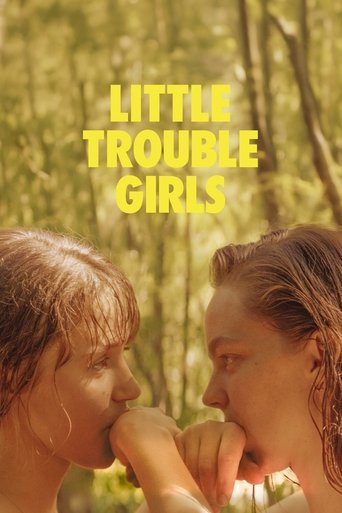
Little Trouble Girls 2025
16-year-old Lucia joins the Catholic school choir where she befriends senior Ana-Maria. During a choir retreat Lucia's attraction to a restoration worker creates tension with Ana-Maria and challenges her faith.
16-year-old Lucia joins the Catholic school choir where she befriends senior Ana-Maria. During a choir retreat Lucia's attraction to a restoration worker creates tension with Ana-Maria and challenges her faith.
Zdravko is a retired widower. His daughter never visits him and he lives a solitary existence. One day, he notices that people who walk their dogs in the park stop and chat. So he borrows his neighbor's dog, Wolfy, takes him to the park, and his plan works. He finds people to talk to - but he forgets about Wolfy and the dog is gone. What is he going to tell his neighbor?
It's not time for revolutions, It's time for individuals, you just have to have the courage.
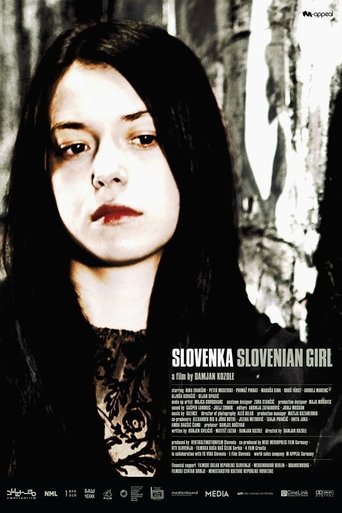
Aleksandra is a student from Krško, a small town in Slovenia. She has a plan to conquer the world. Working as a prostitute, her life is heading to where she wants it, but an accidental death has her wrestling with new feelings of fear, loneliness, confusion and responsibility
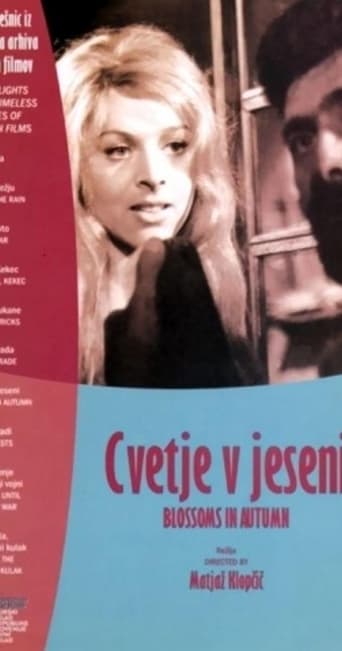
Doctor Janez, a somewhat elderly lawyer, tired of urban life, pays a few week's visit to his relative Presecnik, a well-off farmer living in highland village. Farm life holds a great attraction for him, particularly because a deep and secret love develops between himself and Presecnik's daughter Meta. After a few serene and cheerful days spent on the farm, filled with pleasant labor and walks together with Meta in the unspoilt surroundings, he has to return to Ljubljana to resume his office work. But he cannot forget Meta and he makes his mind to buy a property not far from the Presecnik home and and to become a farmer. He does indeed buy a farm and sets out again to the Presecnik home to ask Meta to be his wife.
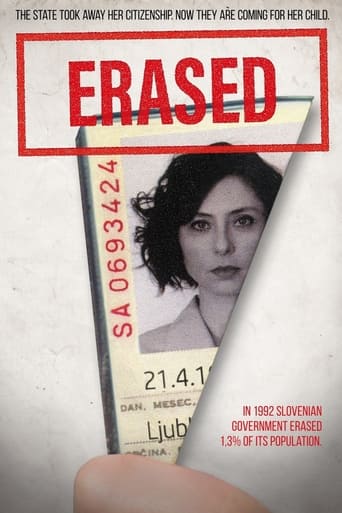
After giving birth in a hospital, Ana enters a bureaucratic labyrinth whose proportions and consequences she cannot even imagine.
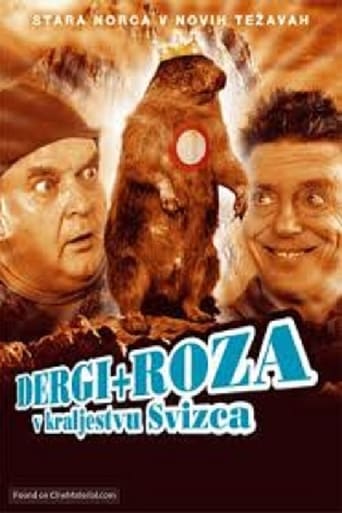
Two men, a radio consultant and social worker, take refuge in the kingdom of the marmot - an alpine hut, which becomes their small business.
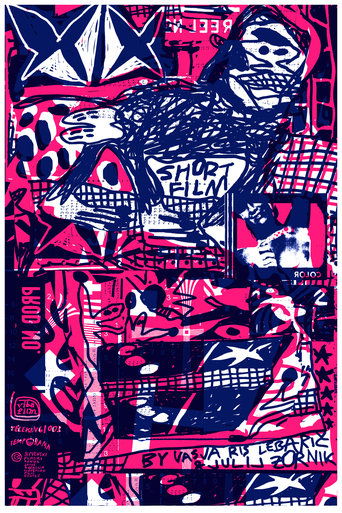
An animated-experimental film which, in accordance with the process of creation – the chemical and thermomechanical processes – features coincidences as its immanent part and thus tries to surpass the conventions of traditional animation and narration.
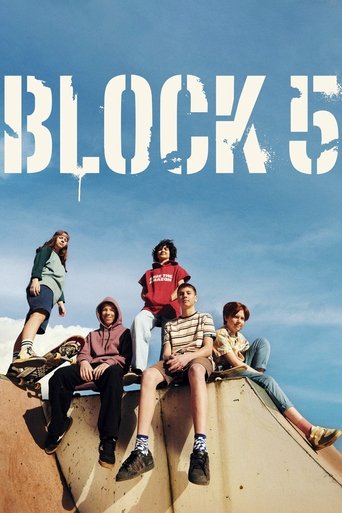
When Alma discovers that her father’s company plans to demolish the playground, she gets determined to save green areas. Alma has no choice but to join forces with her worst enemies – Luna’s skate gang.
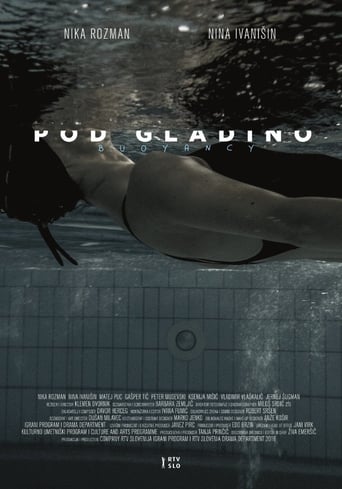
Young lawyer Rebeka is given a case involving the murder of a production designer, and the main suspect is her childhood friend Jana. What first seems like a very straightforward case gradually reveals the dark sides, mysterious depths and stray ways of human nature.
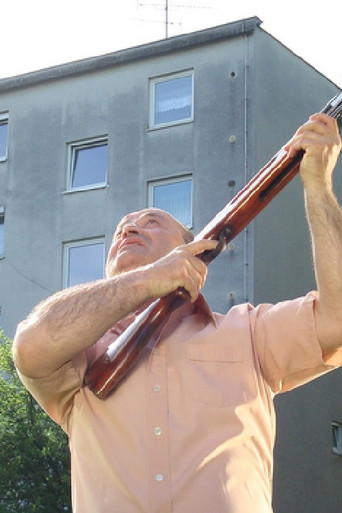
Marija, Boko, Irena and other neighbours have a picnic in front of their apartment building. Suddenly a jet-fighter flies overhead. Later Peter, who flew this plane and is the son of Irena and Boko, formerly an officer in the Yugoslav Peoples Army, also arrives. Four years later the war for Slovenia breaks out and Yugoslavia is falling apart. Marjan and Bokos families, which used to be on friendly terms, are now inimical. Marjan wants to shoot the soldiers of the Yugoslav Army with an air gun, and Boko does not know what to do. Things get worse, Peter calls from the airport and an air-raid alarm forces them to seek refuge in a bomb shelter. But Marjan does not want Irena and Boko there, as they are supposed to be enemies of Serbia. Someone burns the Yugoslav flag and everyone has to run outside, while jet fighters are already flying over the apartment buildings.
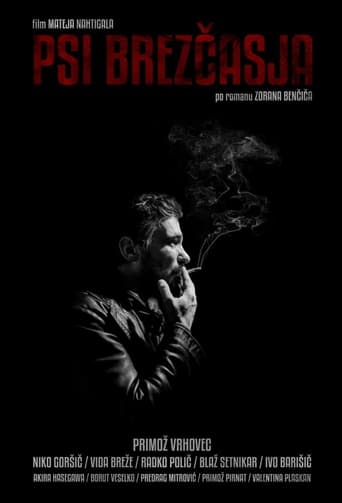
After being away for four years, Rok Osterberg returns to his home town to investigate the murder of his younger brother Maks. As Maks was involved in illegal business, nobody seems to care about his death. The only person willing to help is a family friend, Inspector Kramer. Back home, Osterberg must face people from his past.

A story about old people, the members of the secret society called Goethe, who feed on the energy of young men whose corpses are hidden in their laboratory. Even though police is on their trail, Goethe members manage to trick Pavle, the inspector-in-charge. However all of this energetic vampirism is busted when Kristina, one of the members, falls in love with the inspector.
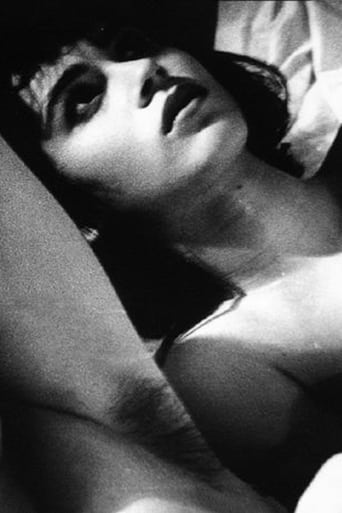
This three-part historical epic of the lives and misfortunes of the Vrhunc family in the former Yugoslavia is divided into the years of 1914, 1924, and 1944. In 1914, the wealthy Vrhunc patriarch owns valuable land and operates a lucrative mine. He is conservative and wants to hold on to the status quo, and so when the region breaks away from Hapsburg rule, he loses out. His wife, in the meantime, is a tragic figure who has an unhappy solution to her stifling existence with her husband and children. In part II, set in 1924, the fascists and communists are fighting for footholds among the population and in the government, and the Vrhunc family is torn apart because their own allegiances are divided between the two opposing extremes. In part III, the family suffers the most, as Nazi collaborators are rounded up and shot by Partisans, and chaos reigns.
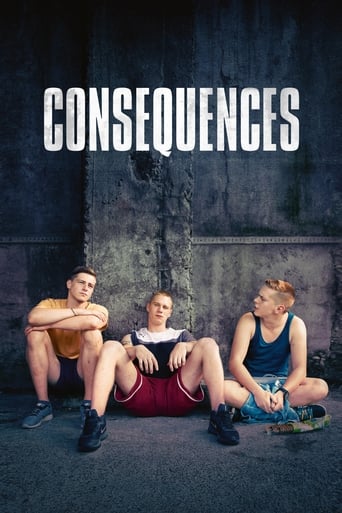
After being sent to a youth detention centre, 18-year-old Andrej has to fight for his place within the group of inmates while getting closer to Željko, their informal leader, and struggling to keep his repressed secret in the dark.
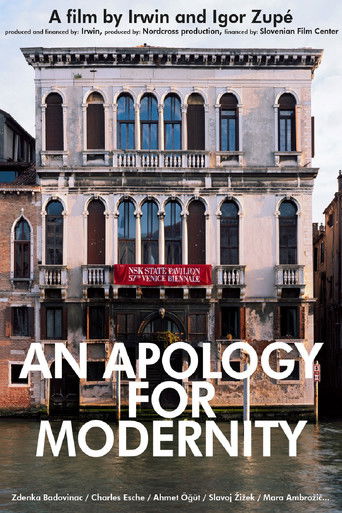
An art-doc in which commissioners, curators, artists, delegates and visitors to the NSK State Pavilion ask themselves questions about the meaning of European cultural and political heritage, its past and future.
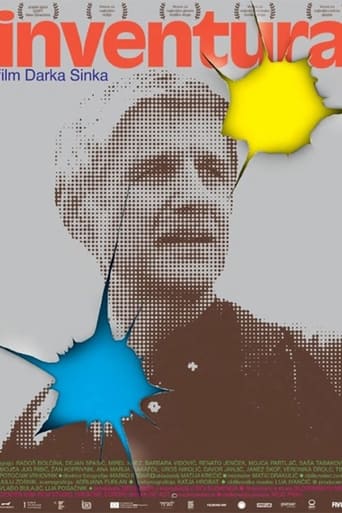
Boris Robič is, as we say, an ordinary kind of bloke. One evening, however, someone tries to shoot him. The investigations reveal nothing. No enemies, no suspects. You could say that Boris is the last person anyone would want to kill. After the police close the investigation, Boris decides to make his own inquiries. As he searches for the suspect, we see the tragi-comedy unfold of a man who discovers that a lot more people hate him than he ever realized and that the way he sees his own life was an illusion.
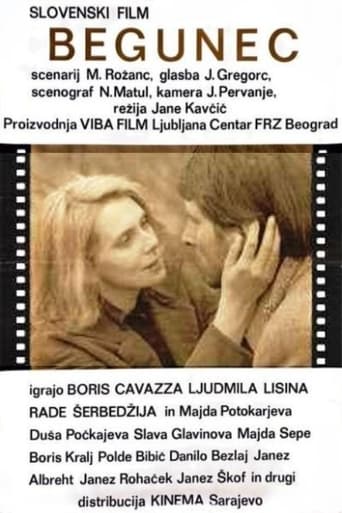
WWII - Slovenia under Italian fascist occupation. Two friends separated by a woman they both loved, and then by war as well: one of them joins partisans, the other Italian occupying forces.
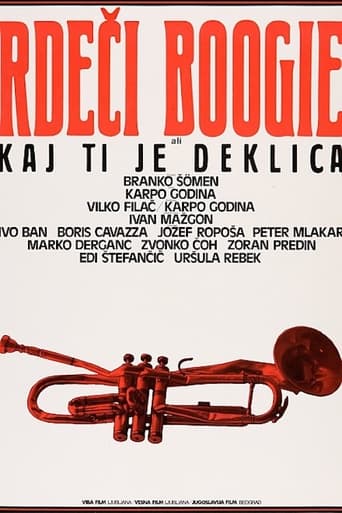
Comedy about a group of musicians who are sent to play to villagers and workers to raise morale during a 5 year plan. The trouble is they prefer to play jazz and boogie music to the traditional folk songs, and each time they try their jazz they are reprimanded by the local party secretary.
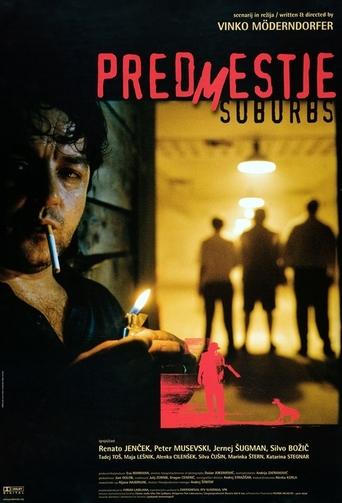
After his wife's death a middle-aged man and his friends become increasingly agitated and violent towards the suburbs they inhabit.
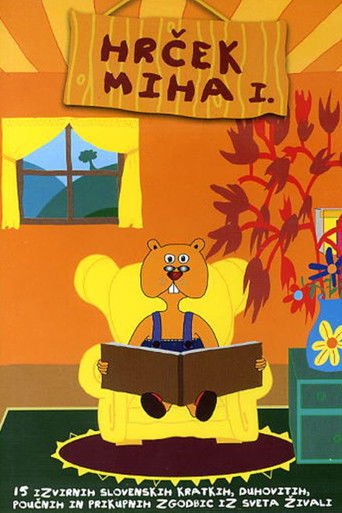
Miha the Hamster tells preschool children folk takes, teaching kids about values and explains social interactions and behavior in interpersonal relationships in a way that is understandable to children. The complex interpersonal relationships that children often find themselves in are explained simply and in an understandable way.
Ščuke pa ni, ščuke pa ne is a Slovenian television comedy series, created by Slovenian writer Tone Partljič and directed by Jože Babič. The original show was aired in 1980 on first channel of RTV Ljubljana. Screenplay by Tone Partljič and music was composed by Krunoslav Cipci.
Teater Paradižnik is a Slovenian television comedy series, created and directed by Branko Đurić. Screenplay was written by Marko Pokorn and Branko Đurić. This show lasted from 1994 to 1997 and was a huge hit in Slovenia. It was broadcast on first channel of RTV Slovenija, a Slovenian national television. The story was set in theater. There was a lot of comic situations between workers behind the scenes; and a part on a stage with public and Slovenian music performances on the other side.