A Death of Innocence

A Death of Innocence 1971

7.00

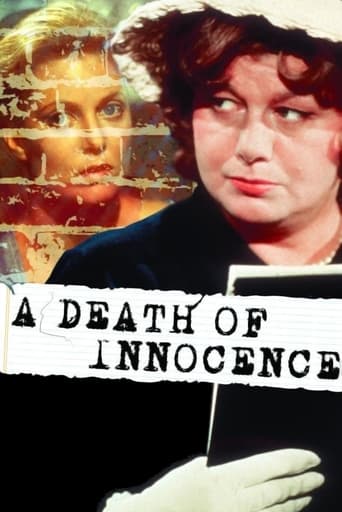
A mother travels to New York to see her daughter who is awaiting trial for murder. The mother is totally convinced of her daughter's innocence and does all she can to help her. As the trial progresses however, the mother begins to have doubts.
1971

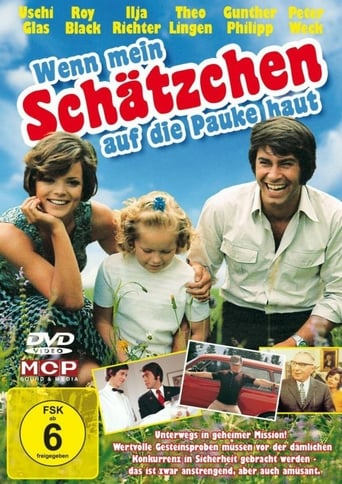
Wenn mein Schätzchen auf die Pauke haut

Wenn mein Schätzchen auf die Pauke haut 1971

3.50

The composer Kristian Wernher is supposed to transport uranium-containing rock samples from Brazil to Austria, specifically to Lake Wörthersee, for his father, the head of “Internationale Berg AG”. Everything is carried out in the strictest secrecy, but soon two agents are after Kristian. But that is not his biggest problem. An unpleasant surprise awaits Kristian at the delivery point.

1971

Coffin Full of Dollars

Coffin Full of Dollars 1971

5.30

There's a frontier feud on the border of Mexico, where outlaw Hagen's brothers have been killed by Nevada Kid's family.

1971

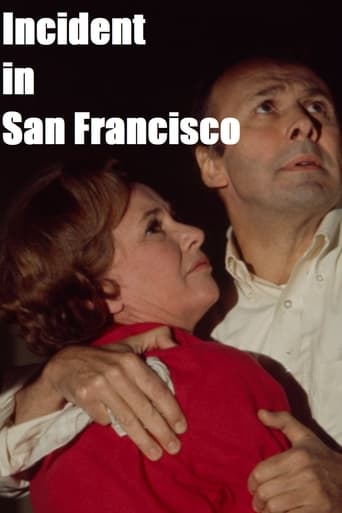
Incident in San Francisco

Incident in San Francisco 1971

3.50

A man who tries to stop a mugging finds himself accused of murdering the criminal after the victim and witnesses fail to corroborate his story. A young reporter believes the man and tries to find out why the parties involved are trying to frame him.

1971

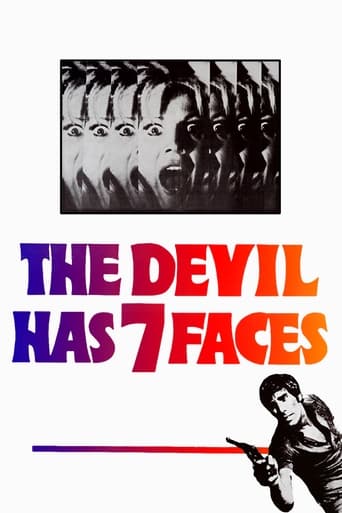
The Devil with Seven Faces

The Devil with Seven Faces 1971

4.60

Carroll Baker plays a dual role as translator Julie Harrison and her twin sister Mary. The serpentine plot begins as Julie tells her lawyer Dave Barton that Mary's life is being threatened in London while Julie herself is being stalked by a mysterious stranger in Amsterdam.

1971

Dara-Dara

Dara-Dara 1971

1

Four girls (Renny Asmara, Tjetty Wulansari, Aty Rochadiaty, Aminah Cenderakasih) live together in a boarding house. They are romantically involved with four different men (Iwan Taruna BA, Rachmat Kartolo, Pong Hardjatmo, Jopic Burnama). There are relationships that are affairs, platonic love, and the story of a secretary who is sleeping with her boss, but ends up marrying the director's employee. The early part of the film is filled with erotic scenes exploiting the girls, and later on, features comical moments.

1971

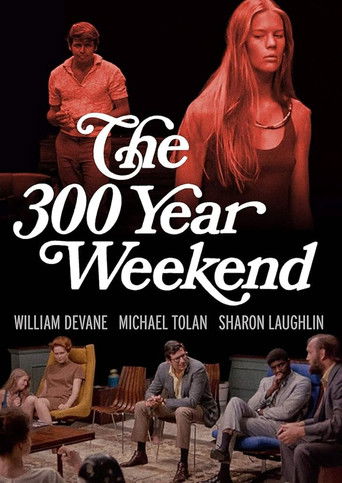
The 300-Year Weekend

The 300-Year Weekend 1971

2.00

A doctor spends 24 hours in a clinic with a group of patients. Each character has his or her own story to tell, about their fathers, mothers, or spouses who don't understand them, and how they've turned instead to drugs.

1971

Gold Squad

Gold Squad 1971

1

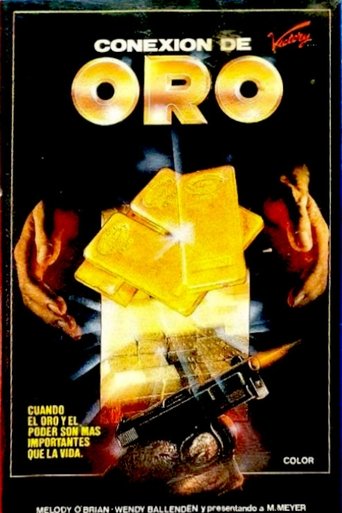
Masquerading as a television crew, Otto Kruger and his men successfully rob a gold mine in broad daylight.

1971

Primaries/ A Turning Point in Lunatic China/ 1,2,3, Four

Primaries/ A Turning Point in Lunatic China/ 1,2,3, Four 1971

6.50

"PRIMARIES is a simple film which merely establishes a definition of 'politics'. Its narrative moves in paragraph blocks, with each sentence accompanied by different pictures of a young woman's hands, feet, torso, face… A TURNING POINT IN LUNATIC CHINA provides a critique of the methods of communication employed by my fellow Leftists. The ritualistic posturing and sloganeering I had used myself and seen in action in Chicago and San Francisco State, the seizing of exotic foreign figures (Mao, Che) and ideological rhetoric (SDS debates on Stalinism)–all struck me as mistaken and useless... [TURNING POINT] initiates a conscious probing of the means and techniques of mass communication, particularly film. 1, 2, 3, FOUR... delivers a critique from within of the... ideologies... of the 'counter-culture'... [It] provides no answers, but rather it allows the internal dynamics of the 'left' generate its own questions."

1971

Vengeance Is a Dish Served Cold

Vengeance Is a Dish Served Cold 1971

5.30

After witnessing the brutal murder of his entire family by Native Americans as a child, Jeremiah Bridger becomes a merciless Indian-killer and scalp hunter. After saving the life of a beautiful Native American girl named Tune, however, the lone and silent gunman slowly reconsiders his hatred. He starts to doubt his former persuasion, that it was really Indians, who killed his family, and soon has to find out that a greedy and unscrupulous landowner usually blames Native Americans for his own crimes.

1971

The Devils

The Devils 1971

7.45

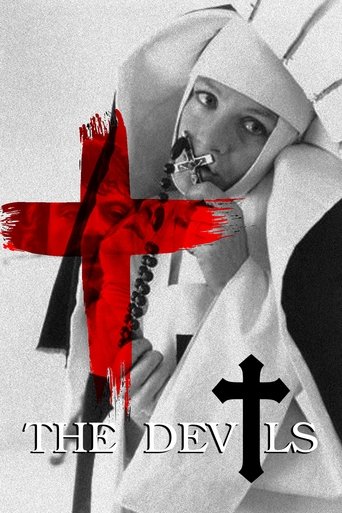
Father Urbain Grandier’s unorthodox views of sex and religion make him a polarizing figure in 17th-century France. His outspokenness has amassed a passionate following of nuns and a respected reputation for protecting the city of Loudon from corruption. Grandier’s influence is then undermined following a sexually repressed nun’s accusation of witchcraft.

1971

Man in the Wilderness

Man in the Wilderness 1971

6.20

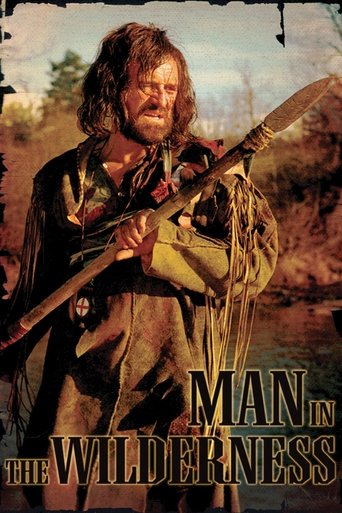
In the early 1800s, a group of fur trappers and Indian traders are returning with their goods to civilization and are making a desperate attempt to beat the oncoming winter. When guide Zachary Bass is injured in a bear attack, they decide he's a goner and leave him behind to die. When he recovers instead, he swears revenge on them and tracks them and their paranoiac expedition leader down.

1971

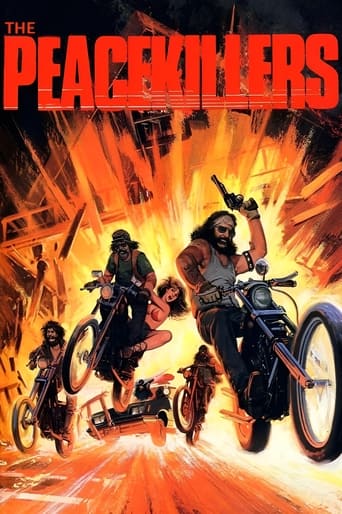
The Peace Killers

The Peace Killers 1971

4.70

Siblings Kristy and Jeffrey are buying supplies at a remote desert gas station when some members of a biker gang come cruising in. The bikers recognize Kristy, who used to be the main squeeze of the gang's leader before she ran away. The pair get away, but the bikers find out that they're living in a nearby commune, and start making their battle plans to bring Kristy back.

1971

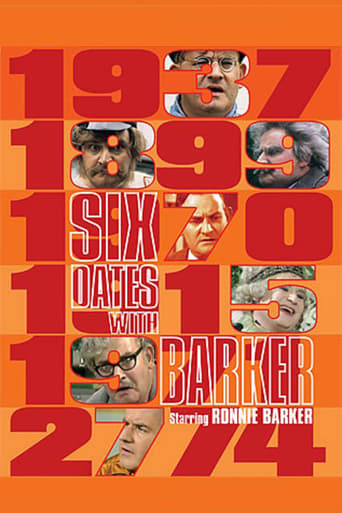
Six Dates with Barker

Six Dates with Barker 1971

7.00

Six Dates with Barker is a 1971 ITV series of six one-off, half-hour situation comedies showcasing the talents of Ronnie Barker. Three of the stories were further developed: The Phantom Raspberry Blower of Old London Town was made into a serial as part of the 1976 sketch comedy programme The Two Ronnies; The Odd Job Man was adapted as a feature film, titled The Odd Job; and The Removals Person became Barker's final programme Clarence.

1971

Cousin Bette

Cousin Bette 1971

2.67

In 19th century Paris, Bette Fischer, a poor and homely spinster, forms an alliance with the seductive courtesan Valerie Marneffe to orchestrate revenge on her handsome and wealthy relatives.

1971

The Last of the Mohicans

The Last of the Mohicans 1971

4.70

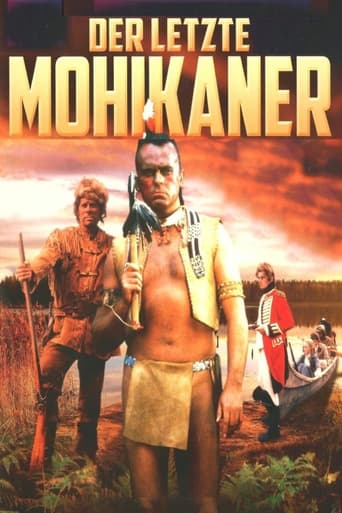
The adventures of Natty 'Hawkeye' Bumppo and his Indian companions, caught in a war between the French and English in upstate New York in 1757.

1971

The Man and the City

The Man and the City 1971

5.00

The Man and the City is a dramatic television series which was aired on the ABC television network as part of its Fall 1971 lineup from September 15, 1971 to January 5, 1972. The Man and the City stars the well-known Hollywood actor Anthony Quinn as Thomas Jefferson Alcala, the long-term Hispanic mayor of a major but unidentified city in the Southwestern United States. Quinn's WASP deputy, Andy Hays, was portrayed by Mike Farrell. Hays' main role was to make sure that the well-meaning Mayor Alcala did not become so engrossed in aiding individual constituents with their problems that he failed to address the issues facing the city as a whole. Despite the vast talents of Quinn and the earnest Farrell, The Man and the City was a Nielsen ratings failure, finishing third in its Wednesday night time slot against the hit private eye show Mannix and the Rod Serling anthology series Night Gallery, and was cancelled at midseason.

1971

Persuasion

Persuasion 1971

6.20

Living with her snobby family on the brink of bankruptcy, Anne Elliot is an unconforming woman with modern sensibilities. When Frederick Wentworth – the dashing one she once sent away – crashes back into her life, Anne must choose between putting the past behind her or listening to her heart when it comes to second chances.

1971

Taiyō no Namida

Taiyō no Namida 1971

1

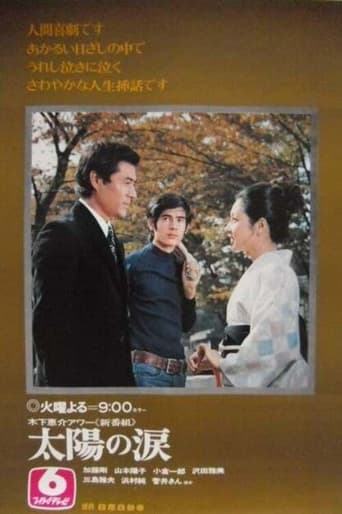
The day before he leaves on a business trip to Europe, Shoji meets an old man named Ogawa while visiting his younger brother in the hospital. Ogawa lies to Shoji that he has a son and asks him to do something extraordinary for him...

1971

Lidsville

Lidsville 1971

5.00

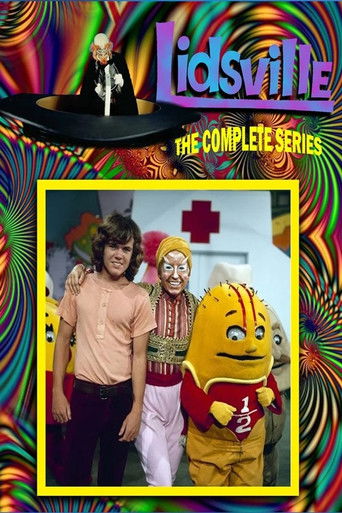
Lidsville is Sid and Marty Krofft's third television show following H.R. Pufnstuf and The Bugaloos. As did its predecessors, the series combined two types of characters: conventional actors in makeup filmed alongside performers in full mascot costumes, whose voices were dubbed in post-production. Seventeen episodes aired on Saturday mornings for two seasons, 1971–1973. The opening was shot at Six Flags Over Texas.

1971

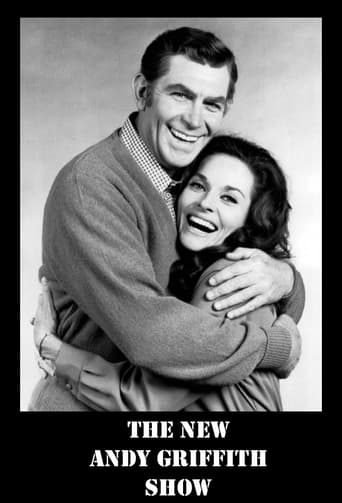
The New Andy Griffith Show

The New Andy Griffith Show 1971

7.50

The New Andy Griffith Show was an American situation comedy broadcast in the United States on CBS in 1971 on Friday Night at 8:30 EST.

1971

Mozalan

Mozalan 1971

1.00

The satirical film magazine Mozalan (The Gadfly) was founded in 1971 at the Azerbaijanfilm film studio named after Jafar Jabbarli. To date, more than 180 issues of the film magazine have been published, each containing 3-4 stories. The stories can be fictional, documentary, and even animated. The aim of the satirical film magazine Mozalan is to combat negative situations and convey the shortcomings of society to the people through the language of satire. The main style of work of the Mozalan film crew was to suddenly appear at manufacturing enterprises, capture shortcomings, and convey them to the people.

1971

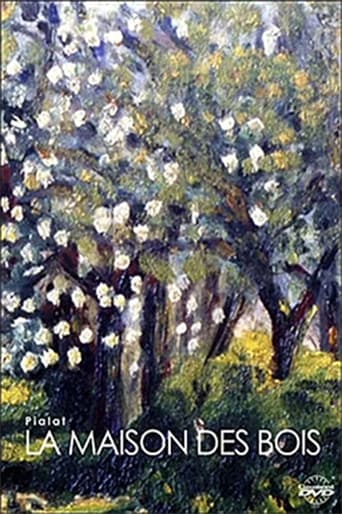
The House in the Woods

The House in the Woods 1971

6.50

During World War One, in a small rural French village far away from the front, a gamekeeper and his wife take in children displaced by the war.

1971

The Guardians

The Guardians 1971

5.50

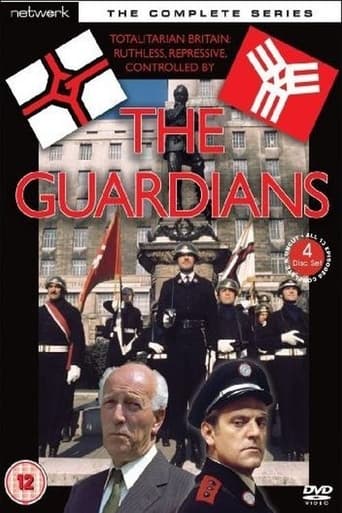
The Guardians is a television drama series of 13x60 minute episodes made by London Weekend Television and broadcast in the UK on the ITV network between July 10, 1971 and October 2, 1971. The opening titles and closing credits included a memorable theme tune composed by Wilfred Josephs.

1971

The Funny Side

The Funny Side 1971

1

The Funny Side is an American sketch comedy program that aired on NBC as part of its 1971 fall lineup.

1971

Sense and Sensibility

Sense and Sensibility 1971

5.50

A story of two sisters attempting to find happiness in the tightly structured society of 18th century England. Elinor, disciplined, restrained and very conscious of the manners of the day, represents sense. Outspoken, impetuous, emotional Marianne represents sensibility.

1971