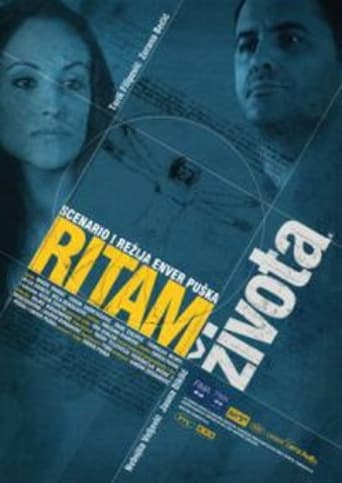
Rhythm of Life 2007
Follows the story of several characters whose life constantly interact and in their very own way mutually influence each other.
Follows the story of several characters whose life constantly interact and in their very own way mutually influence each other.
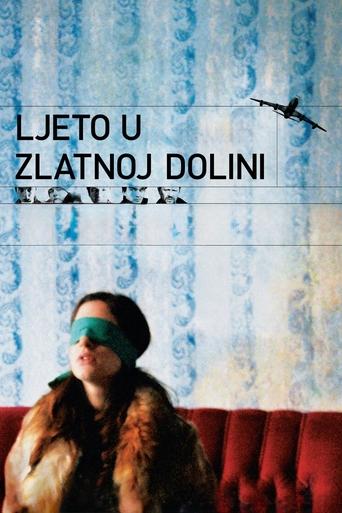
At the traditional Muslim funeral service for his father Fikret Varupa, sixteen year old boy from Sarajevo, learns that his father owes money to Hamid, a man he does not even know. The debt is considerable and Hamid does not want it to go to the grave with the body, so the debt automatically passes from the father to the son. Since in Bosnia this way of collecting debts, at a funeral, is considered to be utterly humiliating, it is never, ever applied. Fikret and his entire family become subjects of ridicule. Fikret, who is practically still a child, is decisive to "redeem his father's soul". Wishing to repay his father's debt and to secure the forgiveness, Fikret wanders into the real world of Sarajevo, the world that is ruled by post-war chaos, misery and poverty and becomes an ideal target for two corrupted policemen who wish to "help" him: they plant the kidnapped girl on him.

Every day Mirza spends with women. Every day he has to re-visit them and make them all happy. Today, he says goodbye to everybody.
After her mother's death, a former drug addict Merima is forced to move in with her grandparents to the nearby village. Her city girl attitude and spoiled personality clash with their rural lifestyle. Everything goes wrong when Merima's father Fazil gets out of prison.
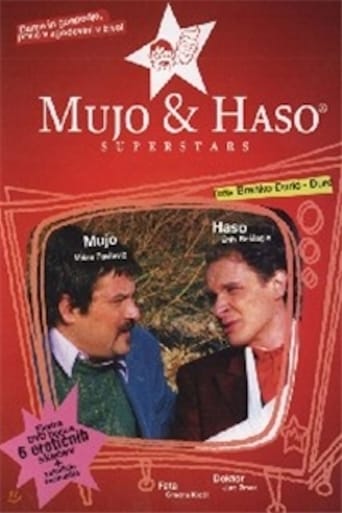
The DVD include 63 sketches based on Mujo and Haso jokes.
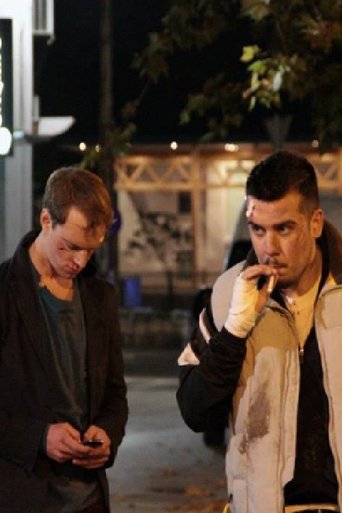
On a weekend night in Sarajevo, a half unconscious German tourist meets a Bosnian young man through an unlikely series of events. Their new friendship is tested through a fight, a call to ambulance and accusation of thievery.

A young man by the name of Atif Kurtovic goes into a mine for the first time in his life to become a miner and to continue exactly where his now retired grandfather had left off. However, his fate is soon completely changed when he is picked as the face for the most valuable banknote in the country, the bill in the amount of one thousand dinars. Because of this, Atif soon finds himself on his way to Belgrade where Tito's personal photographer takes his picture and thus allows Atif to become a part of history. Into this story enters a young girl whose nickname, "Hiljadarka / A Thousand", is no accident and with whom Atif falls in love. When Tito announces his personal visit to Atif's hometown, there begins an adventure that they will all remember for the rest of their lives.

Using personal home video footage, this documentary follows how a young boy's attempts to avoid a poor mark on a school assignment in 1990's Sarajevo, may have contributed to a civil war.
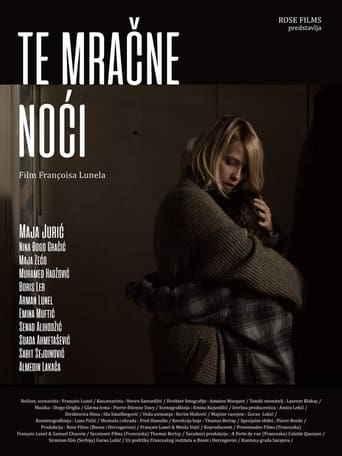
Besieged Sarajevo, 1993, Haska (28) finds a love letter in her husband’s pockets after his death on the frontline. She tries to understand what has happened and eventually decides to leave Sarajevo with her son Denis (9).

Bosnia, a summer's day at the country side 20 years after the latest war. Being the only witness of the secret plan of her favorite aunt Ljilja, little Maja takes a major step in her life. The boundaries of her childhood start to break apart.

Ivana, Clara and Marina are three women from different backgrounds living at the same time in Sarajevo. Ivana dreams about moving to the USA, Clara works during the night to save money for her studies and Marina is in love with her best friend who is moving to a different country. Each one fights to achieve her own goals, but most of the time society doesn´t accept what's not in accordance with its norms.
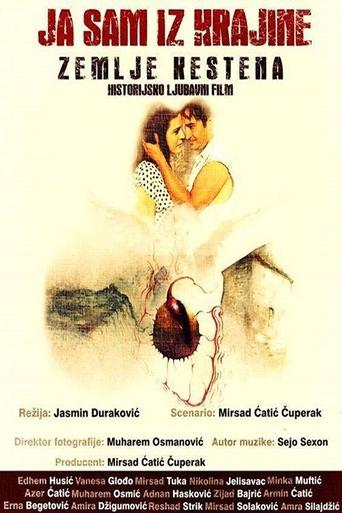
Omer returns to his homeland after a long time, there he encounters those from his past.
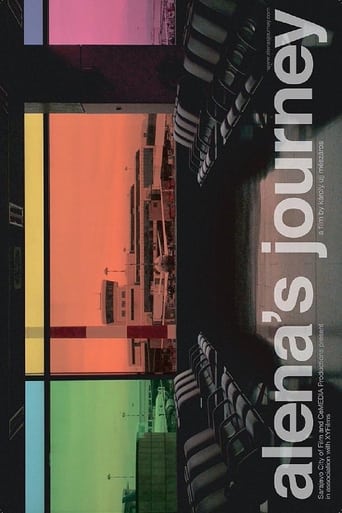
Alena is preparing for an important journey. Her family and co-workers do not want her to leave.
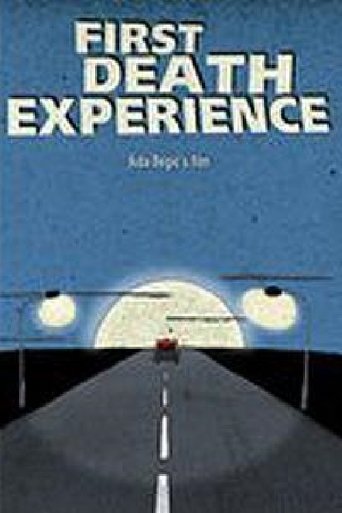
Dado Bratovic is comic-strip artist from Sarajevo. In 1996, after the war, he goes to get his ID card issued and finds out that he was reported dead just after the war started in 1992. Now he has to prove that he is alive.
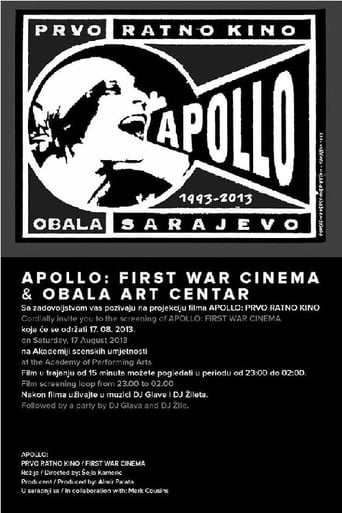
In 1993 Sarajevo was under the siege. Against all odds a small group of enthusiasts managed to open the First War Cinema in Sarajevo. For them this cinema was a distinction between surviving and being alive. Twenty years afterwards the marks of being alive resurface.
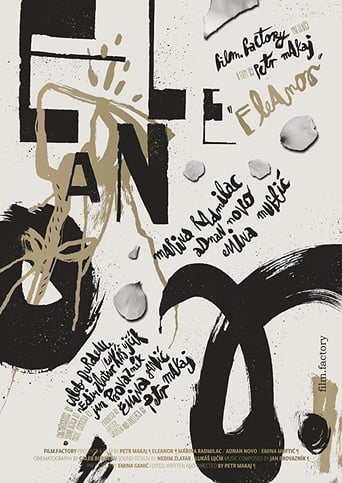
A 30-year-old woman who works as an exclusive prostitute likes to get lost in her daydreams. However, just one wrong step and she finds herself amidst a nightmare instead. Can she escape?
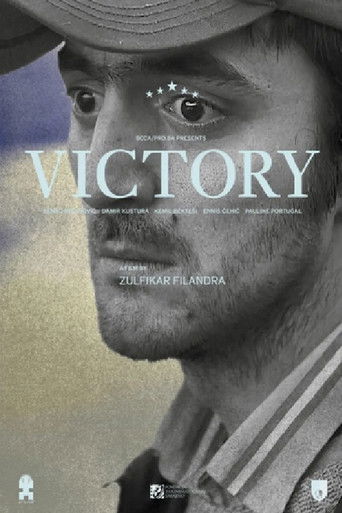
Velid, a worker at an explosives factory in the vicinity of Goražde, is fired along with several of his colleagues. While other workers are protesting and starting a strike against the factory Velid falls into depression and goes wandering alone around the city and the banks of the Drina river. Two young and aspiring film directors who are visiting Bosnia bump into him and decide to engage him in their film. This develops in a painful way.
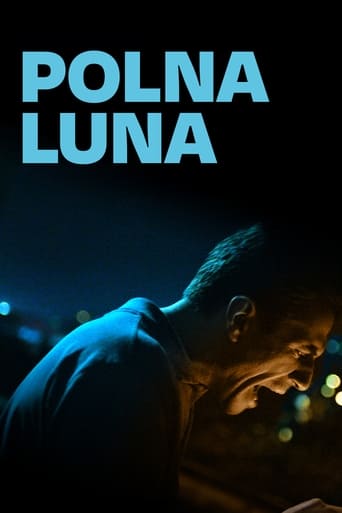
A police officer Hamza has to work that night even though his wife has gone into labour, because the police are short-staffed. To make everything worse, it seems that people showing up at the station have decided to prove the old belief about the mysterious powers of the full moon and its influence on human behaviour. In the course of that one night, representatives of all the absurdity and tragedy of life in Bosnia and Herzegovina parade through the station and somehow help Hamza get ready for a new life.
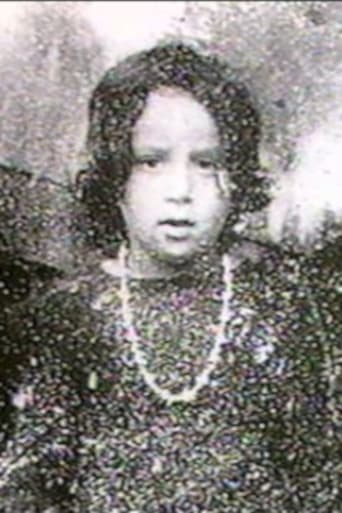
Between 1993 and 1995, artist and photographer Louis Jammes took pictures of people on the streets of Sarajevo under siege and gave them angelic face and wings. Then he put his huge portraits on destroyed city walls. Suddenly, it seems as life is getting back with their arrival, because they brought a sense of peace, beauty, nostalgia...
A Bosnian TV war drama based on true events.
