Head 1968
In this surrealistic and free-form follow-up to the Monkees' television show, the band frolic their way through a series of musical set pieces and vignettes containing humor and anti-establishment social commentary.
In this surrealistic and free-form follow-up to the Monkees' television show, the band frolic their way through a series of musical set pieces and vignettes containing humor and anti-establishment social commentary.
Crab Day is a short film made to accompany Cate Le Bon’s eponymous album, released on April 15, 2016 via Turnstile. Directed by Phil Collins and shot on location in Berlin in the winter of 2015.
Yoshika has had a crush on Ichimiya, whom she calls "the One" since she was in middle school. Now, a 24-year-old salarywoman, her all-consuming fixation has prevented her from even considering another candidate for boyfriend until an office colleague asks her out.
A short film released alongside AFI's 2003 album Sing The Sorrow. The four members of AFI search to obtain a mysterious box that bears a resemblance to the album's artwork. There are two separate soundtracks for the film, one composed by AFI guitarist Jade Puget, and one composed by AFI bassist Hunter Burgan.
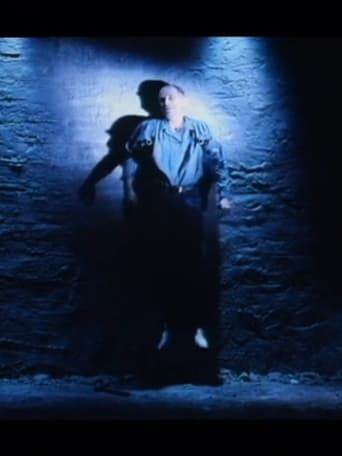
A man is horribly tortured by another who wants him to reveal where his girlfriend is hiding.
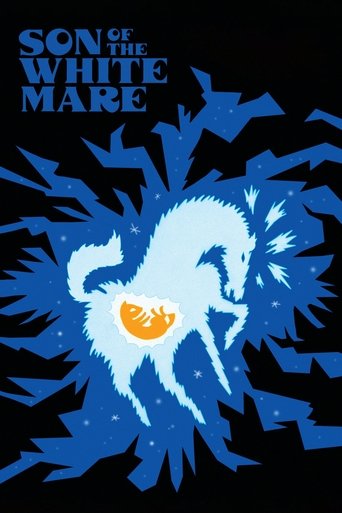
A horse goddess gives birth to three powerful brothers who set out into the Underworld to save three princesses from three evil dragons and reclaim their ancestors' lost kingdom.
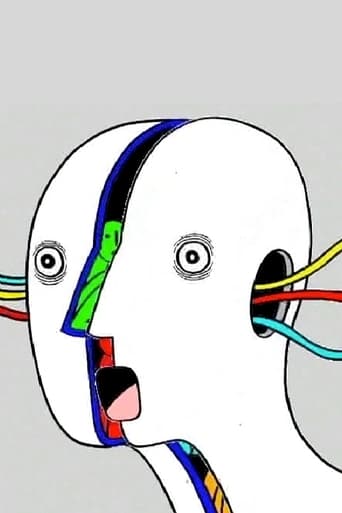
In the darkness of a cave, one man who had never seen even his own figure found a hollow flooded with light. An expression of a chaotic world. This experimental graduation film is a mixture of different animation techniques
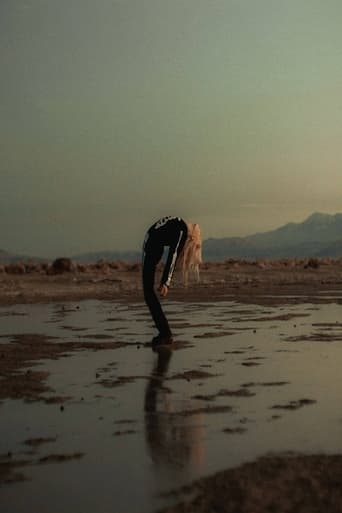
A visualizer for Phoebe Bridgers' Copycat Killer EP, featuring four songs originally released on the Grammy-nominated album Punisher, with new orchestral instrumentation and arrangements by Rob Moose.
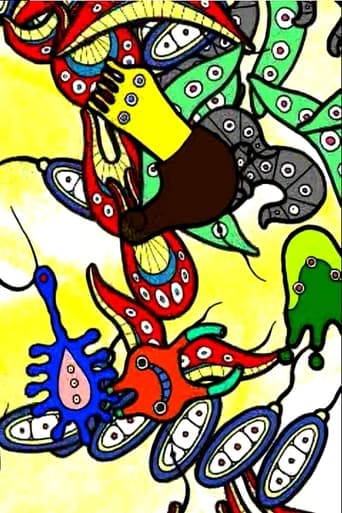
A burst of cheer and refreshment that it seems perfectly suited to a late July afternoon.

Hand painted directly onto film stock by Margaret Tait, this film features animated dancing figures, accompanied by authentic calypso music.
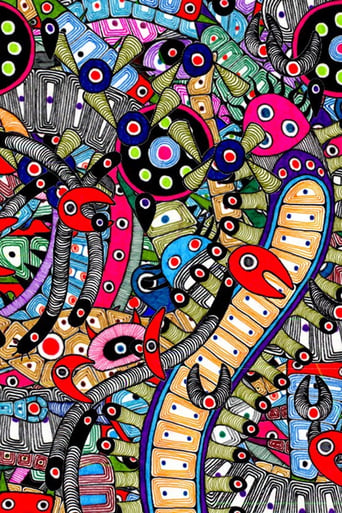
The idea of JAM was conceived while I was attending the Ottawa International Animation Festival in 2008.After returning to Japan, I soon began making the film and completed it in four months.This film is based on a very simple idea: the increasingly varied the sounds, the greater is the number of creatures. I wanted to rid myself of the frustrating experience of making Devour Dinner, which was highly unsatisfactory from the viewpoint of the movement in the film. My intention in this film was to fill the screen with chaotic movements.

A space occupies it, awaiting to be unlocked by a freeing action or notion. What lies ahead is its determination.
This short experiments with the flow of oil ink over the surface of the water. Mizue manipulated the ink by blowing with straws or stirring with toothpicks and used stop motion animation techniques to shoot the resulting effects.

We watch white shapes dancing on black background, which changes when the white shape fills up the screen completely, and black lines and figures bounce around on the now white background.
The Goal Is To Live is an infinitely-looping assemblage constructed out of repurposed content from the popular show How It’s Made, which chronicles the factories that create everyday objects. The film takes Dina Kelberman’s practice of accumulation and recontextualization into a large-scale time-based work for the first time. Reorganizing short clips into a long Rube-Goldberg-like narrative, and featuring a hypnotic minimalist soundtrack by Rod Hamilton and Tiffany Seal, the film portrays a mesmerizing and surreal process in which materials are transformed in myriad ways.
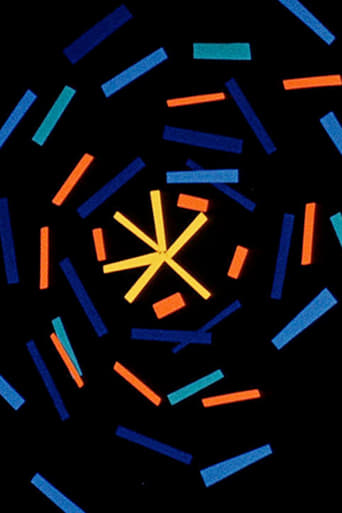
This newly rediscovered short was created in Jim's home studio in Bethesda, MD around 1961. It is one of several experimental shorts inspired by the music of jazz great Chico Hamilton. At the end, in footage probably shot by Jerry Juhl, Jim demonstrates his working method.
In 1944 Lye moved to New York City, initially to direct for the documentary newsreel The March of Time. He settled in the West Village, where he mixed with artists who later became the Abstract Expressionists, encouraged New York’s emerging filmmakers such as Francis Lee, taught with Hans Richter, and assisted Ian Hugo on Bells of Atlantis. Color Cry was based on a development of the “rayogram” or “shadow cast” process, using fabrics as stencils, with the images synchronized to a haunting blues song by Sonny Terry, which Lye imagined to be the anguished cry of a runaway slave. —Harvard Film Archive
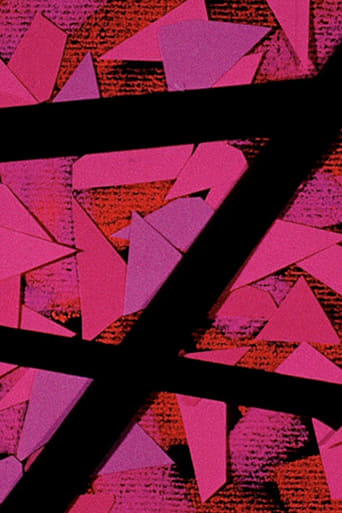
An abstract animated film inspired by the work of jazz musician Chico Hamilton.

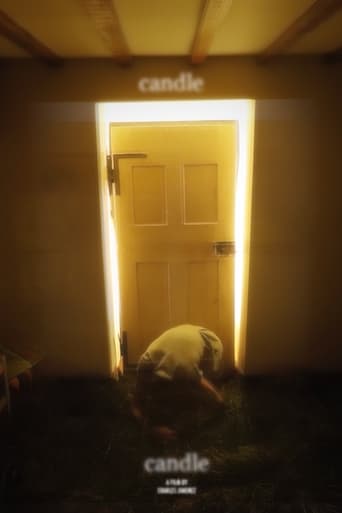
Confined to an endlessly burning waiting room, a dying sedentary woman experiences herself blurring in and out of her body. In her last remaining fragments she tries to make amends with her spirit before her remaining fragments either decay or create.

Million Dollar Extreme Presents: World Peace, a satiric vision largely set in a post-apocalyptic world. The popular sketch group is comprised of Sam Hyde, Charls Carroll, and Nick Rochefort.
