Space/Time 2025
After a fatal test shuts down their project, a disgraced team of scientists enters the criminal underworld to rebuild a forbidden space-bending engine that could rescue humanity or annihilate it entirely.
After a fatal test shuts down their project, a disgraced team of scientists enters the criminal underworld to rebuild a forbidden space-bending engine that could rescue humanity or annihilate it entirely.
A documentary that looks at systemic sexism faced by women scientists in STEM fields.
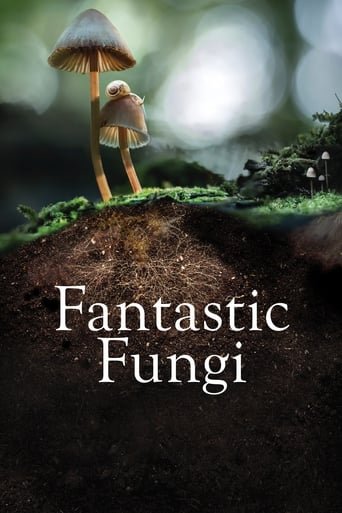
A vivid journey into the mysterious subterranean world of mycelium and its fruit— the mushroom. A story that begins 3.5 billion years ago, fungi makes the soil that supports life, connecting vast systems of roots from plants and trees all over the planet, like an underground Internet. Through the eyes of renowned mycologist Paul Stamets, professor of forest ecology Suzanne Simard, best selling author Michael Pollan, food naturalist Eugenia Bone and others, we experience the power, beauty and complexity of the fungi kingdom.
If machines can be smarter than people, is humanity really anything special?
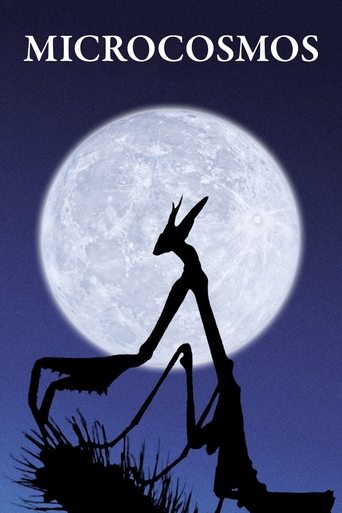
A documentary of insect life in meadows and ponds, using incredible close-ups, slow motion, and time-lapse photography. It includes bees collecting nectar, ladybugs eating mites, snails mating, spiders wrapping their catch, a scarab beetle relentlessly pushing its ball of dung uphill, endless lines of caterpillars, an underwater spider creating an air bubble to live in, and a mosquito hatching.
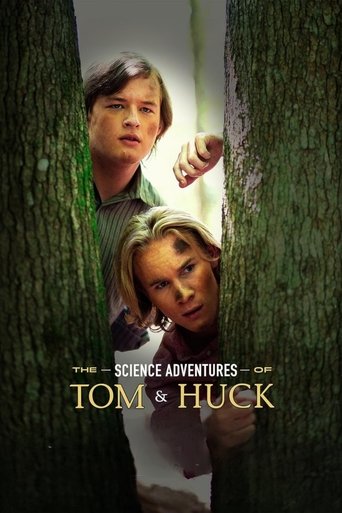
Tom Sawyer and Huck Finn return in all-new, science-filled adventures. With Becky Thatcher and friends, they tackle trappers, robbers, and old foes-learning real science like gravity, energy, and magnetism along the way.
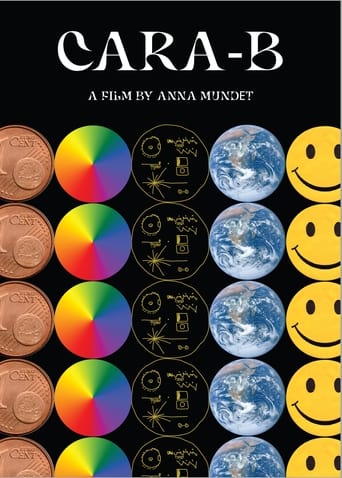
A desktop documentary that focuses on the Golden Record that NASA sent into space in the late 1970s. The piece reflects on issues such as the power of scientific discourse to produce revisions of the world, the evolution of the concept of the archive and the resignification of borders in the rhetoric of space colonialism.
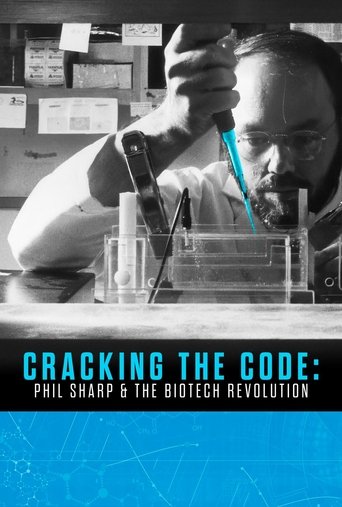
The 1977 discovery of RNA splicing by Dr. Phillip A. Sharp, Kentucky farm boy turned Nobel-prize winning scientist, set the stage for a revolution in molecular biology, enabling research into a new class of medicines predicated on recombinant DNA techniques ranging from the development of synthetic insulin and human growth hormone to the COVID-19 vaccine.
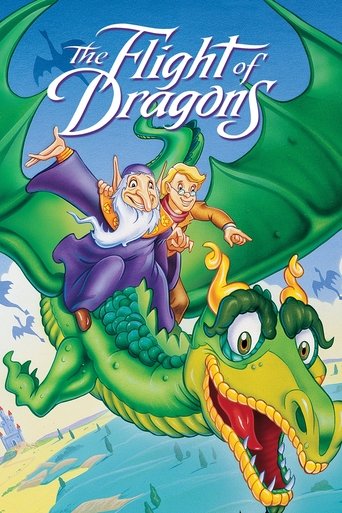
The realm of magic is being threatened by the realm of logic, so the green wizard, Carolinus, decides to shield it for all time. Ommadon, the evil red wizard, stands in his way. Carolinus then calls for a quest that is to be led by a man named Peter Dickinson, who is the first man of both the realms of science and magic. It is Peter's job to defeat Ommadon.
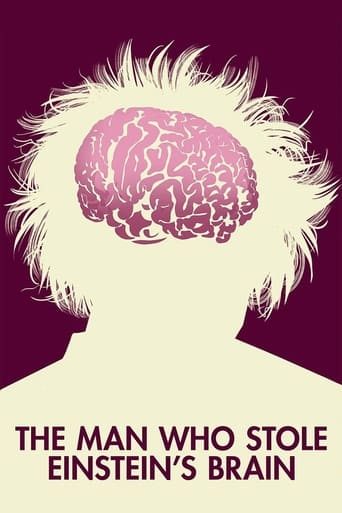
On April 18, 1955, the pathologist performing the autopsy on Albert Einstein covertly steals the genius's brain, hoping to uncover the secret of brilliance. His good intentions and scientific ambitions collide with harsh realities as his world crumbles.
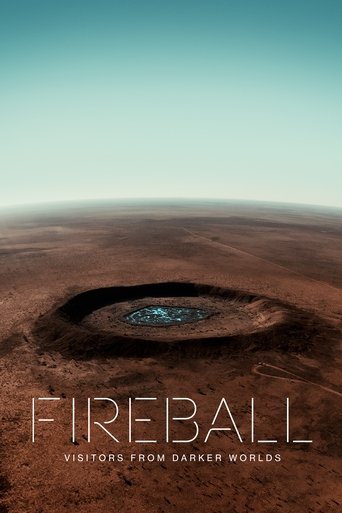
This remarkable journey across our planet and universe explores how meteorites, shooting stars, and deep impacts have awoken our wonder about other realms—and make us rethink our destinies.
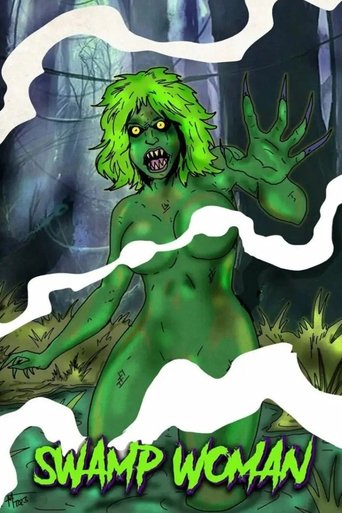
"Swamp Woman", is the story of Dr. Angela Honeydew whom possesses a scientific breakthrough serum that allows animals to genetically combine with their surroundings whether they are living or inanimate.
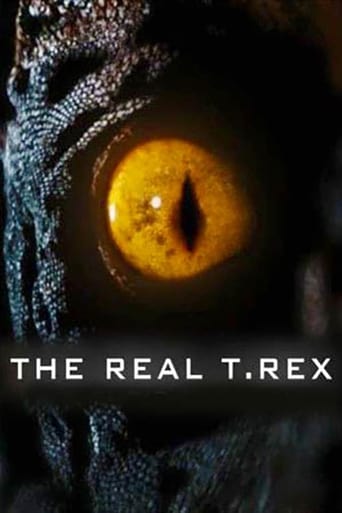
A documentary examining what the Tyrannosaurus Rex was really like - both appearance and behaviour - using the recent palaeontological and zoological research.


Discusses the physics, effects and defense against nuclear fallout. Describes the phenomena of natural radiation and the dangers of fallout. Explains the value of time, distance and mass in weakening the effect of residual radiation. Examines the effects of radiation on the body, food and water. Underscores adequate shelter and prescribed decontamination measures.
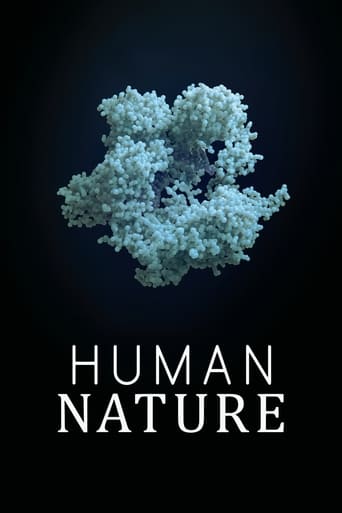
The biggest tech revolution of the 21st century isn’t digital, it’s biological. A breakthrough called CRISPR gives us unprecedented control over the basic building blocks of life. It opens the door to curing disease, reshaping the biosphere, and designing our own children. This documentary is a provocative exploration of CRISPR’s far-reaching implications, through the eyes of the scientists who discovered it, the families it’s affecting, and the genetic engineers who are testing its limits.
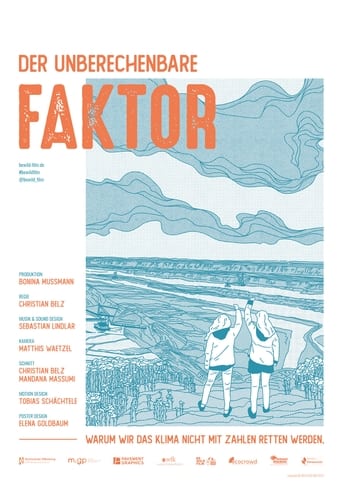
In today's climate debate, there is only one factor that cannot be calculated in climate models - humans. How can we nevertheless understand our role in the climate system and manage the crisis? Climate change is a complex global problem. Increasingly extreme weather events, rising sea levels, and more difficult living conditions - including for us humans - are already the order of the day. Global society has never faced such a complex challenge. For young people in particular, the frightening climate scenarios will be a reality in the future. For the global south, it is already today. To overcome this crisis, different perspectives are needed. "THE UNPREDICTABLE FACTOR" goes back to the origins of the German environmental movement, accompanies today's activists in the Rhineland in their fight against the coal industry and gives a voice to scientists from climate research, ethnology and psychology.
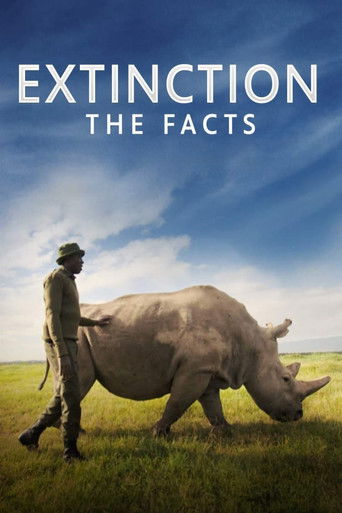
With a million species at risk of extinction, Sir David Attenborough explores how this crisis of biodiversity has consequences for us all, threatening food and water security, undermining our ability to control our climate and even putting us at greater risk of pandemic diseases.
The film features a character named Wesley, who is in training at the Weather Bureau of Investigation. He learns about different air masses, their movements, and how they interact to cause weather changes. The training includes understanding high and low pressure systems, cold and warm fronts, and observing changes in weather conditions using various instruments. Wesley experiences firsthand the transition from a warm air mass to a cold front, noting changes in temperature, wind direction, and cloud types.

For over three decades, NASA and an international team of scientists and engineers pushed the limits of technology, innovation, and perseverance to build and launch the James Webb Space Telescope, the most powerful space observatory ever created. Cosmic Dawn brings audiences behind the scenes with the Webb film crew, and never-before-heard testimonies revealing the real story of how this telescope overcame all odds.
Horizon tells amazing science stories, unravels mysteries and reveals worlds you've never seen before.
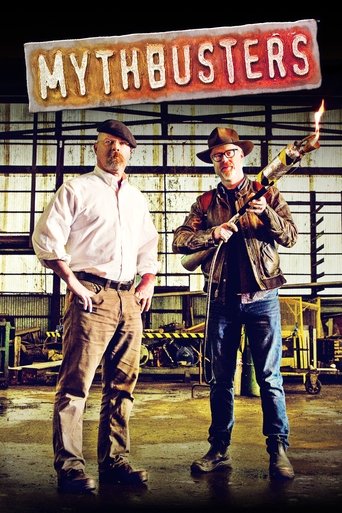
MythBusters is a science entertainment television program created and produced by Australia's Beyond Television Productions for the Discovery Channel. The show's hosts, special effects experts Adam Savage and Jamie Hyneman, use elements of the scientific method to test the validity of rumors, myths, movie scenes, adages, Internet videos, and news stories.
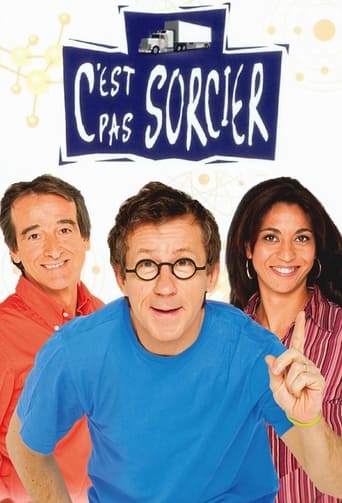
C'est pas sorcier is a French educational television program that originally aired from November 5, 1994 to present.
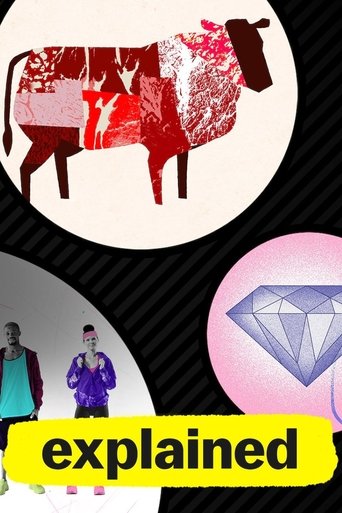
This documentary series, made in partnership with Vox, explain some of the world's current trends, from politics, to science to pop culture.

This show addresses issues related to the Brazilian way of life, highlighting matters such as health, education, work and nature.
HISTORY’s longest-running series moves to H2. Modern Marvels celebrates the ingenuity, invention and imagination found in the world around us. From commonplace items like ink and coffee to architectural masterpieces and engineering disasters, the hit series goes beyond the basics to provide insight and history into things we wonder about and that impact our lives. This series tells fascinating stories of the doers, the dreamers and sometime-schemers that create everyday items, technological breakthroughs and manmade wonders. The hit series goes deep to explore the leading edge of human inspiration and ambition.
After learning heretical teachings about the Earth and the Sun, a child prodigy searches for his master's hidden research while evading the Inquisition.

Nina is a neuroscientist based at Glasgow Science Centre who enlists the help of her Neurons in her brain to answer a scientific question. Questions are asked by children which join her to perform fun experiments and games. Aimed at younger children to help them understand basic science.
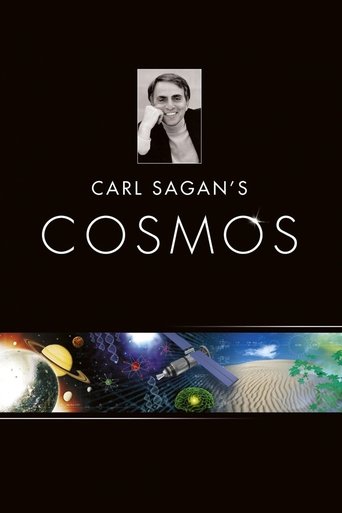
Carl Sagan covers a wide range of scientific subjects, including the origin of life and a perspective of our place in the universe.

Ever wanted to build a space rocket, invent a homework-doing machine or make your school vanish? Well, join Tracey McBean and best friend Shamus Wong, on journeys full of mystery, drama, bizarre twists and funny bits!
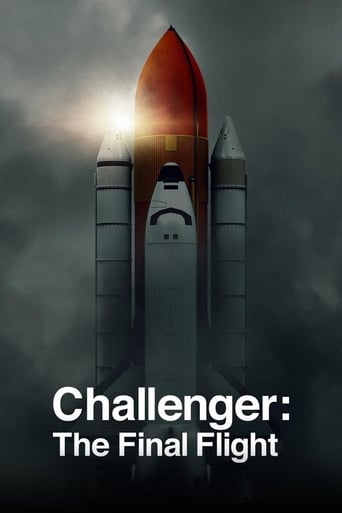
Engineers, officials and the crew members' families provide their perspective on the 1986 Space Shuttle Challenger disaster and its aftermath.
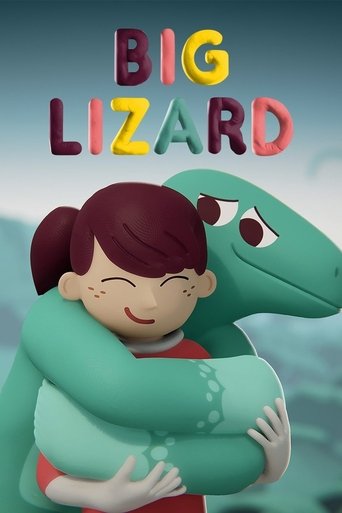
The cosmic adventures of astronauts Cosima and Dad on Proxima B, where they meet larger-than-life Big Lizard!

An NHK flagship program, centered around a diverse range of documentaries, delves into the dynamic shifts of society, politics and history, as well as the breathtaking wonders of the natural world.
What would we be without mucus? Can we live on water? How much does life weigh? Finding out the answers is the aim of ARTE's new science show. In a nod to Douglas Adams's "Hitchhiker's Guide to the Galaxy", where the figure 42 is the ultimate answer to all questions, 42 tries to provide the answers.

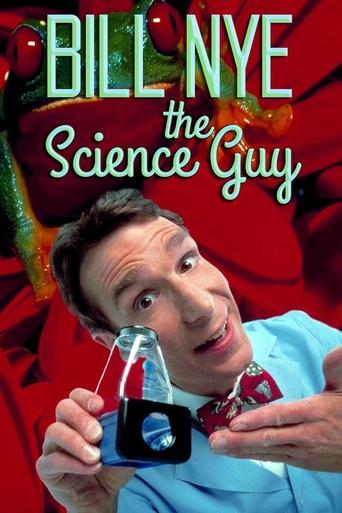
It's "Mr. Wizard" for a different decade. Bill Nye is the Science Guy, a host who's hooked on experimenting and explaining. Picking one topic per show (like the human heart or electricity), Nye gets creative with teaching kids and adults alike the nuances of science.

A group of brave youth who are not afraid of bullets, guns, and hardships. The students stay firm in their beliefs to save their country.

