
The Harvest 1908
Kinemacolor
Kinemacolor

In this simple melodrama, a boy loses his beloved girl, hence dying of a broken heart. The film presents advanced techniques in several fields.
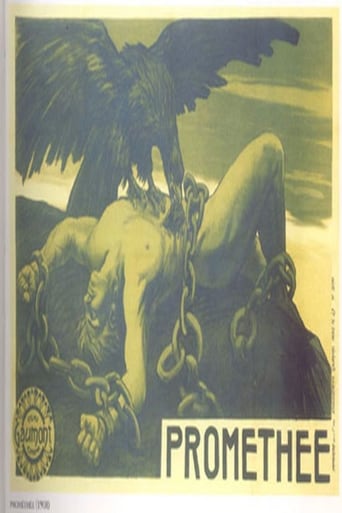
A mythological scene with the most beautiful effect.
A young man is seen entering his room and from the many expressions on his worn face one could not doubt that he is just returning from one grand night with the boys, and is in no condition to be annoyed or disturbed. After administering to his wants in the form of headache tablets, he goes to lie down for a while and sleep the effects of the previous night off. In a room directly over him are a number of people conducting a rehearsal.
A Segundo de Chomón trick film.
A comedic short film.
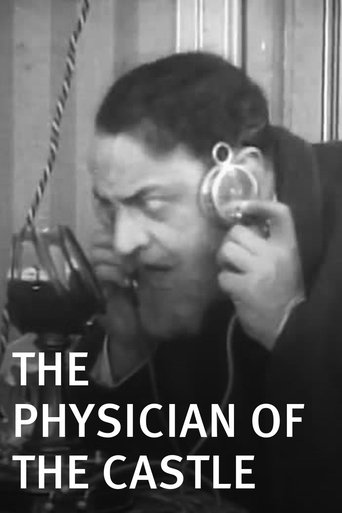
Two criminals lure a doctor away from his home with a phony note about a child's illness. After the doctor rushes off, the criminals break into his house and menace his wife and child. By the time the doctor realizes what has happened, his family faces a desperate situation.
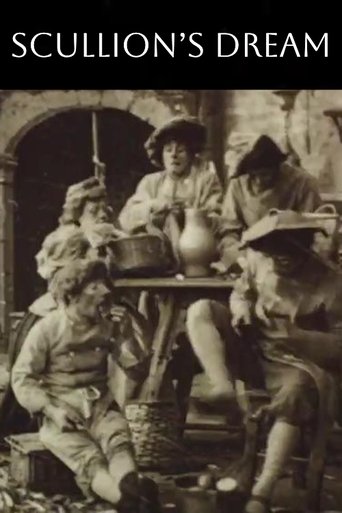
When the entire kitchen staff falls asleep from exhaustion, a dwarf appears and animates various objects via stop motion -- including their hands, which he cuts off while they snooze -- to do their work.
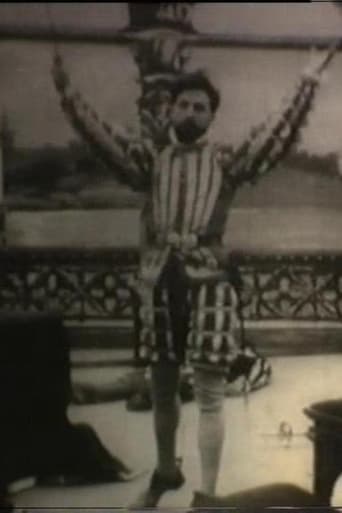
The silent Spanish version of the story of Don Juan Tenorio.

This Georges Melies film is one of several to appear in only a fragment form. The film opens up with a title card explaining what happens in the missing parts of the movie. Basically a man wants to give some flowers to a stage star but a prankster instead gives them to an obese cleaning woman.
Mack Sennett appears as a member of the Wilkenson clan in this film produced by the Biograph Company.
1908 French silent film directed by Georges Méliès, which is currently presumed lost.
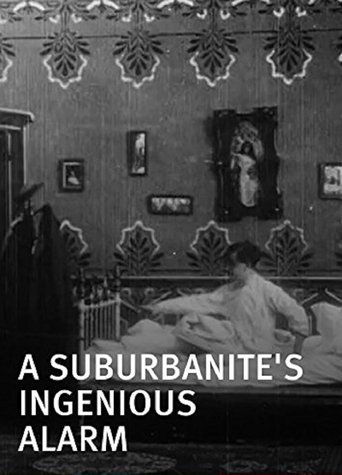
An office worker takes desperate measures in an attempt to get up on time in the morning.
A bungling bumpkin fails at a number of jobs in this slapstick comedy - before he finds his true calling.
Believed to be the first film to feature cannibals.
Arrival of the Christian Slaves: The captives are brought before Nero. He chooses one fair maiden to serve in his palace. The others are condemned to death for a Roman holiday.

Francesca, surrounded by ladies-in-waiting at the palace. Her father enters, and together they read a letter from Lanciotto, asking for the hand of Francesca. Both are overjoyed at the union of the two great houses in marriage, and the daughter retires to dress for Lanciotto's arrival.
A young Roman soldier and his sweetheart are embracing each other fondly and making their vows. The next scene shows the public square, where it is announced that war has been proclaimed. The old priest addresses the populace, telling them that he has chosen for them a great leader who is none other than this young man.
A wealthy old alchemist and inventor has just perfected a motion picture camera with which he hopes to revolutionize the art of animated photography, and our story opens with the old man in his library studying out the plans of his invention. A telegram calls him hurriedly away. He replaces the papers in his safe, but, in his haste, neglects to lock it, which oversight is pardonable, as his wife and daughter are in the room at the time. The daughter's hand is sought in marriage by a worthy young man, whose attentions are looked upon with favor by herself and her parents. But he has a rival in the person of a contemptible villain, whose motives are purely mercenary, reasoning that this new invention will greatly enhance the father's already ample wealth.
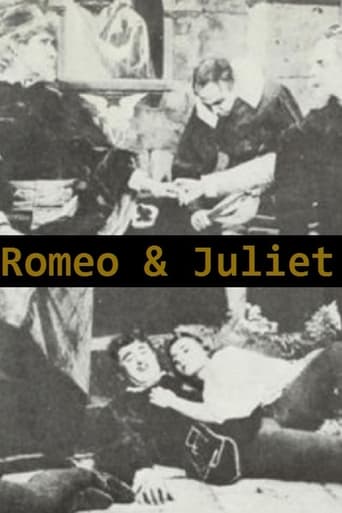
Two feuding houses are united with the marriage and eventual death of their children.
