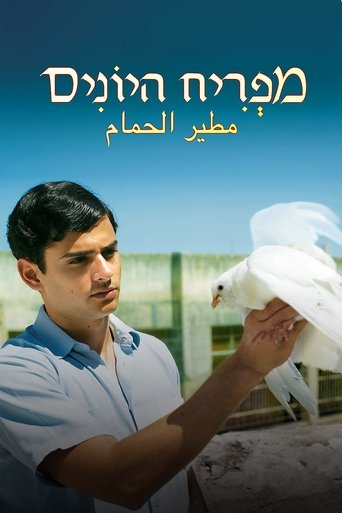
Farewell Baghdad 2014
Between the years 1950-51 close to 130 thousand Jews left Iraq. The most ancient community in the world ceased to exist.
Between the years 1950-51 close to 130 thousand Jews left Iraq. The most ancient community in the world ceased to exist.
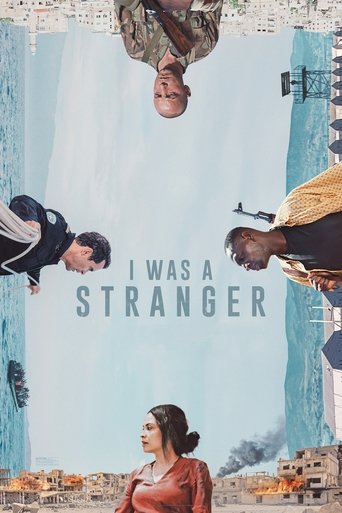
A Syrian doctor and her daughter flee Aleppo, setting off a chain of events that binds five strangers together. A smuggler, a soldier, a poet, and a coast guard captain collide in a crisis that tests their courage, their choices, and their humanity.
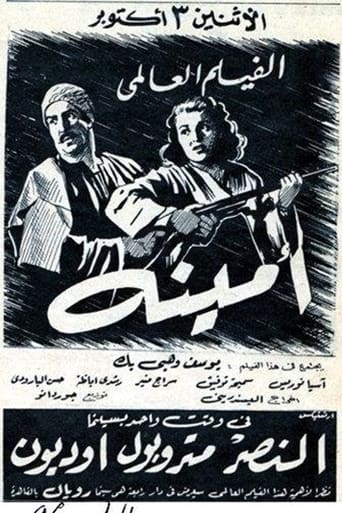
A 1951 Egyptian film directed by Goffredo Alessandrini and starring Assia Noris, Youssef Wahby and Rushdy Abaza.
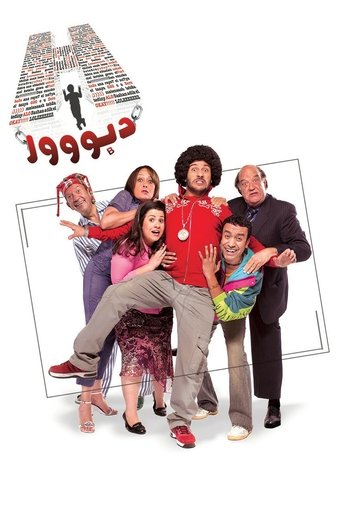
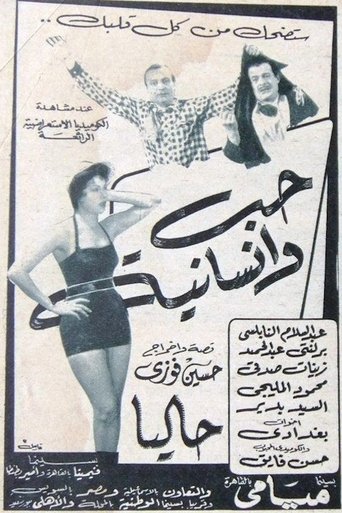
Film is in the form of satire, movie review the crises facing the Egyptian people, particularly the suffering of the popular classes . Belongs "Haitham Daboor" Ahmed Mekki, a rich family, cares about trivial matters Fashion and multiple love relationships, but it is exposed to a variable in his life and his father is an entry prison on charges of false tries to save his father, Haitham, which leads him to shift from one person to another measly serious and committed and engaged seriously with life, and in the context of the events is in love with Haitham "Aroah", the daughter of his driver, a girl from the popular

Mahdi, 28 years old, an architect who is involved in a stunt of trafficking by a gang of manipulators orchestrated by Si Lamine, who forces Mahdi to impersonate a businessman who owns the wealthiest bank in Africa, while using his own daughter as bait to force him to play the game.
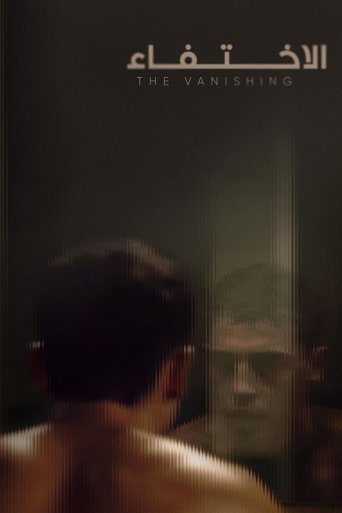
Reda seemingly has a life of privilege in Algiers, in his late twenties still living at the family home, with a father who has arranged a job and a fiancée. Reda is eager to please, yet the more he tries the more he veers off course.
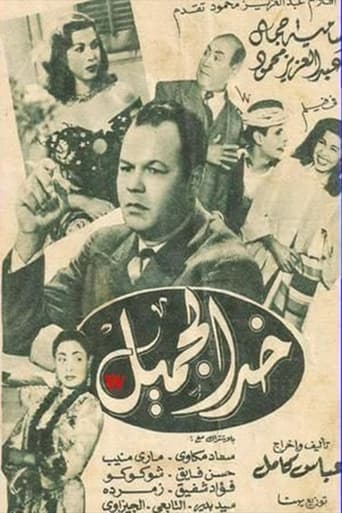
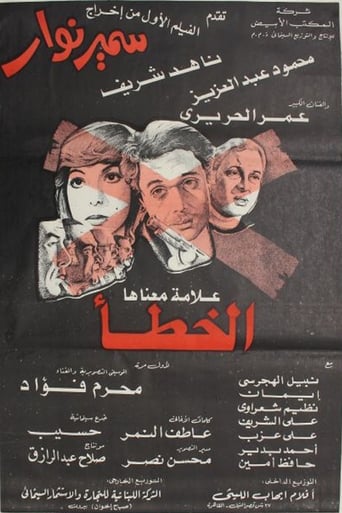
Ramzi, a straight young man, works as a corporate account manager with his fiancée (Madiha). He discovers the embezzlement of the company and informs his fiancée of his intention to inform the authorities. Madiha informs the president of the company, and Ramzi is charged, arrested and imprisoned.

During the Algerian war, the road to Beni Boussaid on the Morocco-Algeria border is obstructed by the Morice line, a 430-mile long belt that is electrified and heavily mined. Moussa, a Moroccan friend of the revolution, helps refugees across the mountains. However, he must go through Beni Boussaid when he finds out that the path he usually takes is no longer safe. Hans, a Communist militant of the GDR, loses a leg on the way, while trying to remove a mine from a passageway. Normally, the wounded and sick are put to rest, but Hans is not a Muslim and cannot be a martyr.
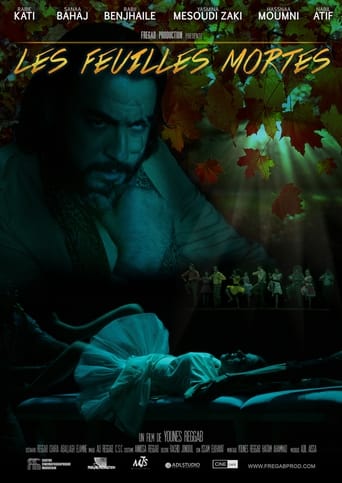
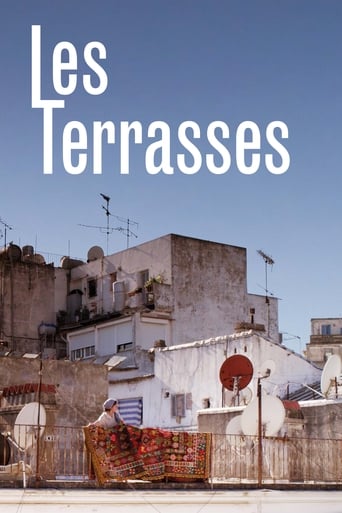
A sprawling, masterful depiction of a day in the life of Algiers by arguably Algeria’s greatest living filmmaker, Merzak Allouache.

Tamara, with a child from a marriage that did not last long, is from an impoverished aristocratic family. To save her family from bankruptcy, Tamara is to marry Hassan Al-Dabbah, owner of one of the largest meat empires in the Middle East. Despite his wealth, Hassan comes from a nouveau riche family. Shortly before the wedding, the families spend a week together to oversee the wedding preparations. The differences between the families becomes apparent, and behind the fake smiles, all parties supervise the final wedding details. These details are overseen by Omar, Tamara's old love, who has created a rock sculpture to give a unique character to the wedding. This sculpture will become the source of several disputes during the wedding.
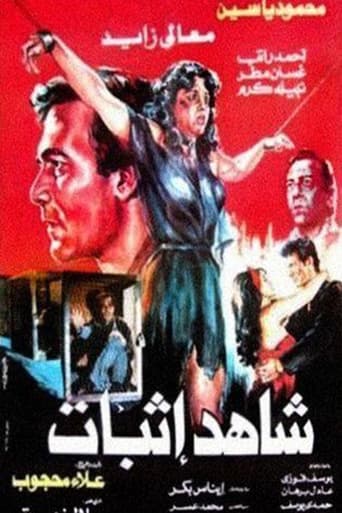
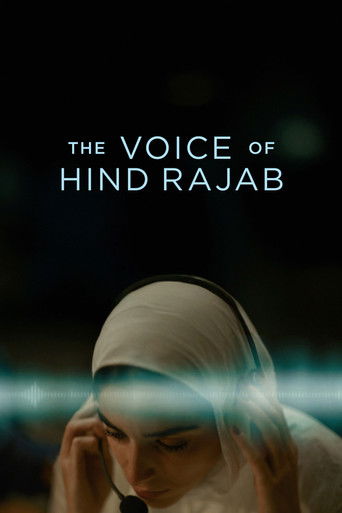
January 29, 2024. Red Crescent volunteers receive an emergency call. A five-year old girl is trapped in a car under fire in Gaza, pleading for rescue. While trying to keep her on the line, they do everything they can to get an ambulance to her. Her name was Hind Rajab.

In crisis-stricken Lebanon, five unlikely friends launch a daring online venture that unexpectedly ignites a movement for personal liberation and social change.
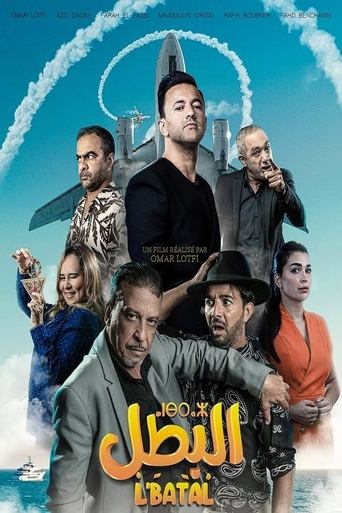
Ali, an amateur actor, gets caught up in a bizarre situation after he posts a compromising selfie on social media. The photo captures Sam with his mistress, Ibtissam. To protect Sam, Ali is asked to pose as her lover. Tricked into believing he is auditioning for a film, Ali agrees to take on the “role.” But Ibtissam is kidnapped by a gang, plunging Ali and his friends into a dangerous adventure.
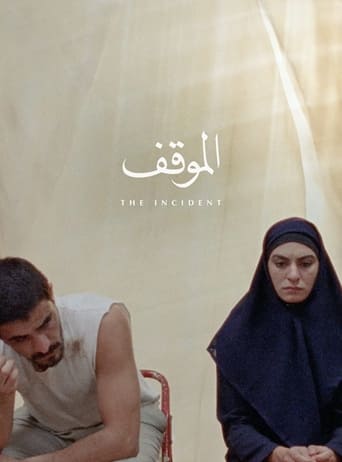
At a bus stop near Beirut, a veiled Lebanese woman and a migrant Syrian worker get in a tumultuous moment and are arrested. They must argue their innocence in the face of the only witnesses: a bus full of women on their way to Koran school, each with her version of the truth.

The film embarks on a journey into the world of romantic relationships with their ups and downs and their impact on human lives through a number of different stories, and it presents a new perspective on love that goes beyond traditional concepts and reveals unfamiliar angles.
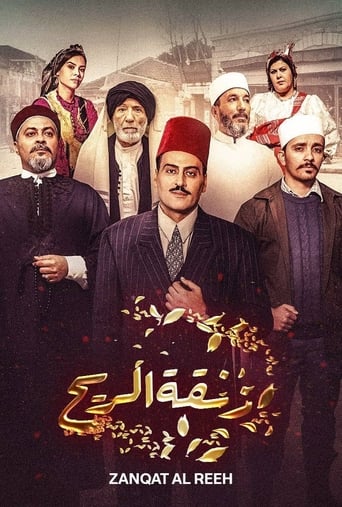
The series "Zanghat Arreeh" is a historical social drama, the events of which take place in 1945 in the city of Tripoli in Libya. It highlights the suffering of the Libyan people under the rule of the British administration that was installed in Libya after World War II and the defeat of Italy. In the absence of any media or legal interest, the British military administration facilitated procedures for foreign communities at the expense of the sons of the homeland. The series also highlights the social life, customs and traditions that prevailed among the residents of Tripoli of all religions and ethnicities, united by one city and one homeland, in which they share their joys and sorrows.
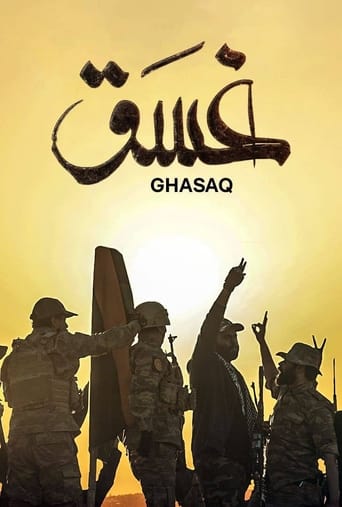
Ghasaq captures the intense situation in the cities of Misurata and Tripoli from September 2014 to December 2016, the date when Giza, the last stronghold of ISIS in Sirte was liberated. Ghasaq narrates the struggle and unification of the Libyan people from all ages and backgrounds in their fight against extremism and terrorism, eventually becoming victorious after the sacrifice of hundreds of martyrs.
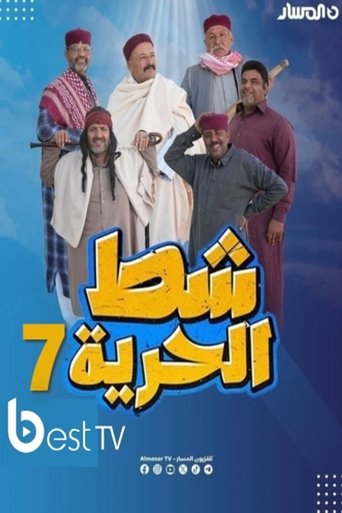
In a Bedouin setting, the events of the series reflect many aspects of the everyday life of citizens, highlight the lived reality with all its social problems, in a satirical comic framework.

Khawla is forced to live in her uncle Nouri’s house after her father’s death, her mother’s marriage and her travel abroad, and many problems arise between her and her cousins, especially her cousin Afaf, who studies with her in the same college.


Follows a part of al-Qaramanli dynasty's reign over Tarabulus (Tripoli, Libya) that takes place between 1783 and 1795, Hassan Bek, the son of Ali Pasha, is known for his fairness and his valor in defending his country, which arouse the hatred of his two brothers, Ahmad and Yusuf, especially after the governor, Ali Pasha, falls ill with tuberculosis, leading to a power struggle.

A young man named Hassin with a beautiful family including wife Fatma, daughter Maram, and son Rawad, destroys everything in a scheme to get his inheritance early. After hiring a woman to scare his father by making him sick with bad food, she shows everyone the true nature of evil. Is there any way to make things right? Why did he do this? Can a strange reclusive holy man named Talal help him?
