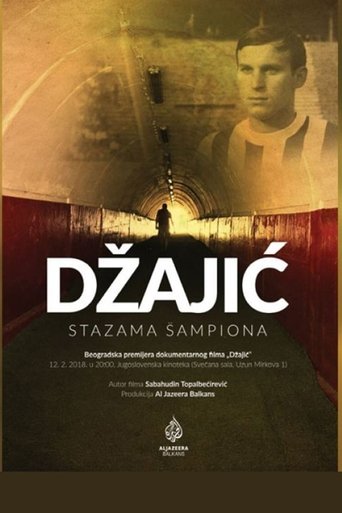
Dzajic 2017
Biography of famous football player Dragan Dzajic.
Biography of famous football player Dragan Dzajic.

The year is 1983. Found archival material depicts people in the small Bosnian town of Tešanj. Suddenly a well-known figure appears, the filmmaker’s grandfather who died in the Bosnian war. Repressed and hurtful feelings, but also a chance to remember, in a film that calls for reflection.
The story of a father trying to find out what happened to his son who slipped out of his hand and disappeared during the Srebrenica genocide is in fact a story of Bosnia and Herzegovina, a country permanently scarred by war crimes and their legacy.

Old man Zaim is alone in the world and wants to change that. He is in love with his neighbor Munevera. Munevera doesn't want him. But there are those who do.
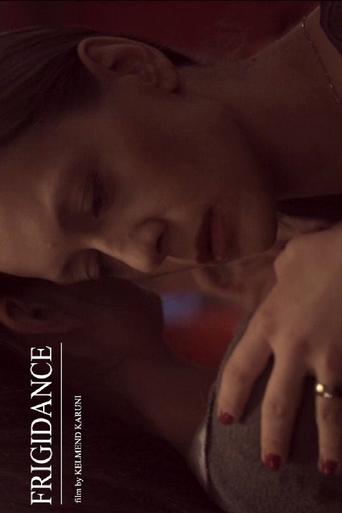
In a bizarre tango lesson, everyone is dancing. They follow the instructor, who leads them towards a more passionate approach to the tango. One of the students does something that may upset the balance of this awkward reality.
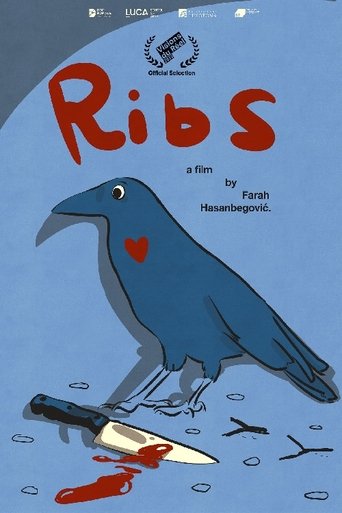
Where does the feeling of guilt come from? Starting from the account of a medical condition, Farah Hasanbegović resorts to animation to search for the origin of those sensations that accompany us throughout our life, whether we want them to or not. Through eloquent pencil strokes, Ribs is a sensorial meditation on the material dimension of our feelings.
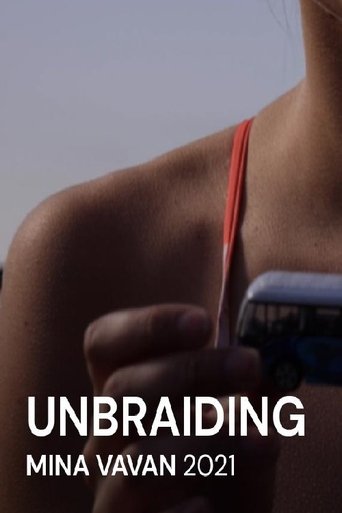
In an attempt to keep the love of her partners, the young girl ties up their hair into braids.

The movie features three war veterans from Maglaj, who give account of war time developments and post-war reconciliation in this municipality

The third part of the “Mujo Is Looking at Pretty Nizama” franchise.

Shot in two abandoned villages near Visoko (Bosnia), which offered enough locations for the mid-19th century story. It shows the culture and customs of long-forgotten times. The story is related to the bey’s families, their children. How people lived and worked at that time.
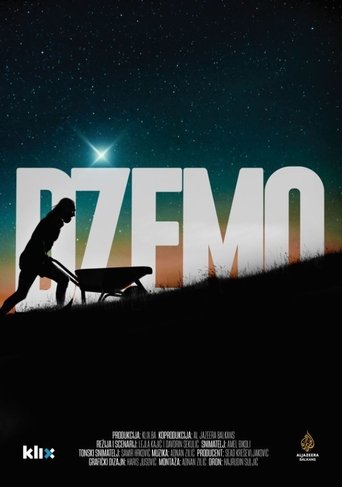
46-year-old Džemo lives in a village with his mother, father and brother. He cares for ten cows every day thereby earning a living for his family. Džemo’s day starts and ends with a pushcart, his constant companion on daily more than 20-kilometer-runs. His boyhood dream was to take part in large running events which is why he always applies for city and mountain races. Despite hard labour demanded by a life in the rural area, and the fact that he competes against professional athletes, Džemo wins gold medals regularly.

Film uses the aesthetics of cell phone cameras, which the director used after he was diagnosed with angina and his doctors recommended fast walking. He has transformed the 3,000 kilometers he walked over three years into a collage of playful, experimental, and lyric moments and family and social situations, all seen with a sense of tenderness and irony.
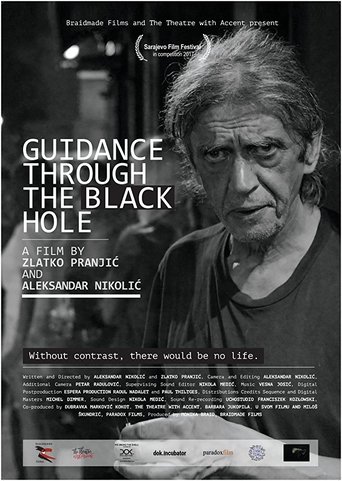
Sule is a hard-living, chain smoking poet - one of the few remaining bohemians left in London's Portobello. Drinking and gambling with his eastern european friends has left him estranged from his family and, even though he is surrounded with people, he feels utterly alone. His one consolation is his dream of one day returning to his beloved place of birth. But when his best friend dies, Sule is thrown into crisis. Suddenly confronted with his own mortality, Sule gets one last chance to turn things around when the Bosnian embassy invites him to exhibit a series of paintings entitled Guidance Through the Black Hole. The date for the exhibition is set, but the paintings are still not finished and Sule knows that if he is to succeed he must first overcome his vices. The question is: can Sule escape his dark past and find a way out of the black hole that he is creating on his canvases?

Trapeze artist Mathilda wears the pants in her circus act. Figuratively.
A journey retracing my sisters’ 1992–93 displacement from Sarajevo through Bosnia and Croatia, guided by a childhood war diary.
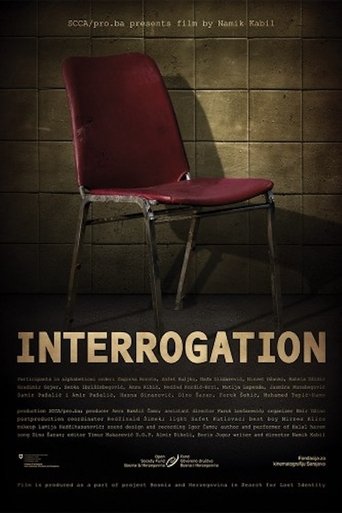
How well do we remember the war? Is it hard for us to talk about it? Do we start remembering suddenly when talking about it? The film investigates the trauma, but not aiming at human pain. On the contrary, this film attempts to open the abysses of the war denial, which have become a dominant, but silent dimension of everyday life in post-war Bosnia and Herzegovina.
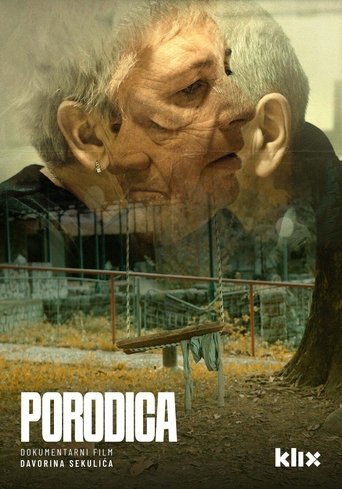
Nermina and Marinko have been married for 39 years. During all those years, they had a lot, five children, Tatjana, Davorina, Nina, Denisa and Sandro. In all those years, they lost a lot. War, refugees, loss of family members... They survived all that together, raising their children to be successful and honest people. Through photos from family albums and personal and archival footage, as well as their conversations with their children and friends, we see how Nermina and Marinko dream of Srebrenica as it once was, full of people and with a developed economy, while today their town is becoming a ghost town, and they have to go to neighboring towns for the most basic foodstuffs.
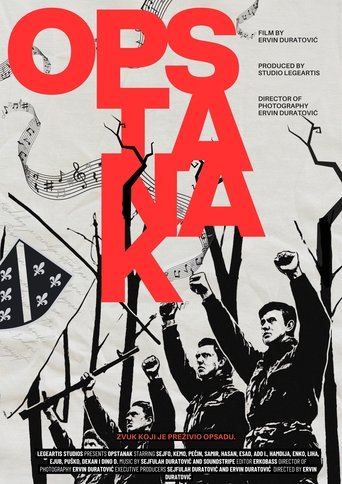
Documentary film "O(P)STANAK", a story about music, resistance and the power of togetherness during the 1201 days of the siege of Bihać. The film follows the group Okus Meda and Bihać musicians who, in the hardest days of the war - amidst shells and ruins - created music that brought hope, laughter and humanity. Through archival footage, honest interviews and testimonies, the film reveals how music became the mainstay of a city that did not have much, but had a soul. This film is more than a document of a time. This is Duratović's personal dedication to his father and the band Okus Meda, the people who shaped his life with their example, deeds and songs.
After more than 20 years of not acting, a former child actor ventures deep into the forest in the middle of the night with the power of his faith and body to try to overcome collective war trauma and finally feel fearless. But is it even possible to heal after so many dead bodies in similar settings and the blurry VHS footage of executions we grew up watching on the news?
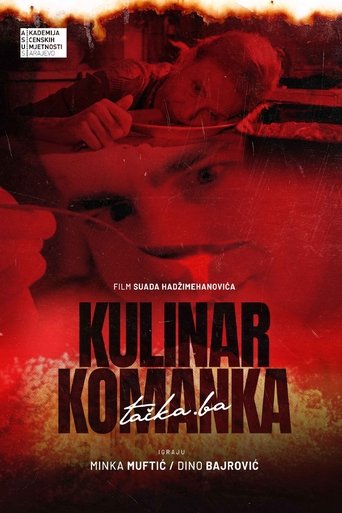
Upon returning home, Biba and her son Žrle accidentally switch bags. Biba goes into the kitchen to make tres leches because she is expecting guests. Žrle goes to his room to try heroin. However, Biba adds heroin from the bag into the mixture, while Žrle tries to make heroin but fails repeatedly.
