
K 2015
A mongolian interpretation of Kafka's "The Castle".
A mongolian interpretation of Kafka's "The Castle".
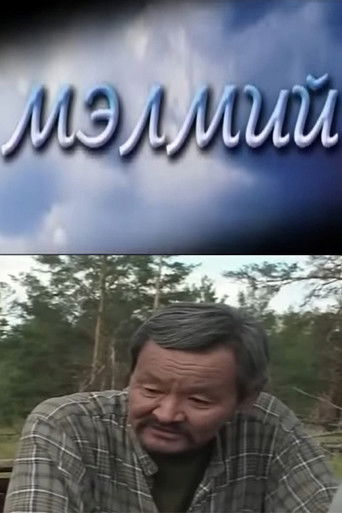
It is a Mongolian feature film released in 2002.
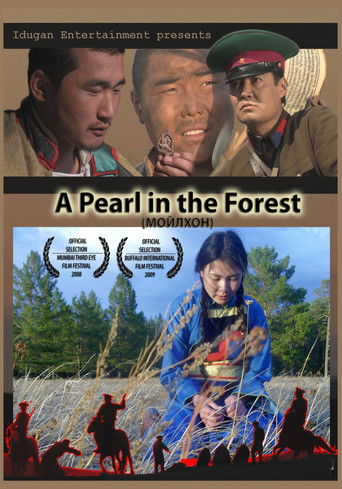
This is a story about a young couple whose newly planned life was destroyed by the impact of the Great Purges of 1934–1938 in Mongolia. The main goal of this movie was to provide a testimony for the many Buryats and Mongolians who were persecuted during the Great Purges initiated by Joseph Stalin. In 1937 and 1938, many people, and even entire families, were killed after being wrongfully accused of conspiracies. The movie was shot on location near the Buryat village of Dadal in the Khentii province of Mongolia. The acting and other participation of many local villagers was a great addition to the authenticity of the film
In this film, the deeds and efforts of the former Prime Minister of Mongolia, Jalkhanz noble Damdinbazar, Dilav noble Jamsranjav, who united the Western Cape and implemented the government policy, were depicted. Historical figures such as Zasagt Khan and Shanzav Badamdorj were portrayed and their political positions were expressed.
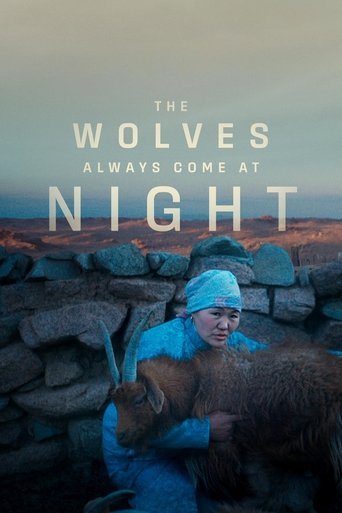
Davaa and Zaya are a young nomadic couple in the vast Bayanhongor region of Mongolia who are in the throes of animal birthing season when a seismic event suddenly changes their lives. They are forced to migrate afar but are haunted by their past lives.
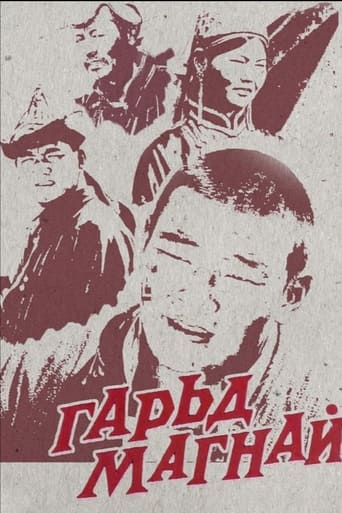
Set in 1910's, shows the life of a young wrestler named Dalaitseren.
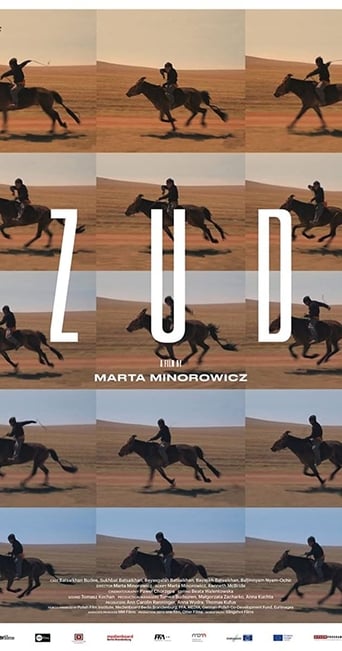
As the unforgiving forces of nature take their toll on humans and animals, the unexpected return of snow devastates the nomad family’s livestock. 11-year old Sukbhat is forced to leave his childhood behind. Now the hopes of the family rely on the young boy who should tame and race the wild horse. An intense relation between father, son and their wild horse shows how nature overwhelms and influences human beings. Nobody remains unscathed after being confronted with the powers of the steppe.
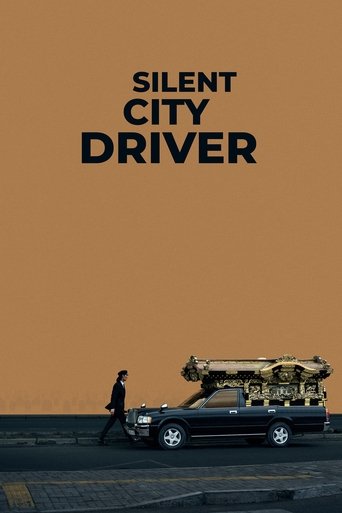
In a city rife with corruption and scandals, surrounded by indifference, the solitary and enigmatic Myagmar lives in isolation after enduring 14 brutal years in prison. Scarred both physically and emotionally, his only companions are the stray dogs he has rescued over time.

In 1939, when the Japanese army invaded the protected border of our country, our border warriors showed how they protected the protected border of our country from foreign invaders.
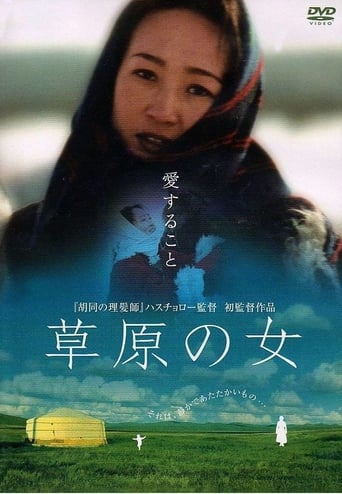
Zhula lives with her only son in the grasslands. One day, a man asks her to hire him. Zhula hires him but he doesn't want to tell his background.

A man haunted by deadly visions struggles to break a generational curse that has tormented his family.
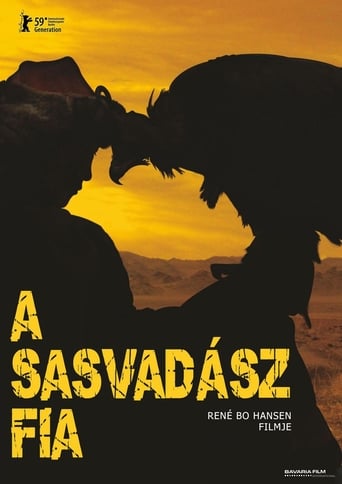
Twelve-year-old Bazarbai is unlike other Nomad boys his age. He dreams of leaving behind the green pastures of his native Western Mongolian province, lured instead by the call of the urban jungle: Ulan Bator. But Bazarbai's father has his own aspirations: One day, the young boy will make him proud by following the famed eagle hunter's own footsteps. When Bazarbai's brother, Khan, is forced to leave home for Ulan Bator, Bazarbai feels deeply hurt and betrayed; he should have been the one sent into the big city. In an attempt to cheer him up, Bazarbai's father takes him to the great Eagle Festival; but the young boy is inconsolable.

In the 13th century, a princess named No Gu, a queen of the Great Mongol Empire who is visiting Korea as a queen, is overcome with longing for her homeland and flees from her emperor. She drowns while escaping. As she dies, she utters a single sentence, "I want to go home." The story unfolds in the present day. The princess No Gu, who went to Korea to work, is trafficked and imprisoned in the house of a cruel Korean woman. While imprisoned, she uncovers the terrible crime committed by the housewife, which leads to an interesting development.
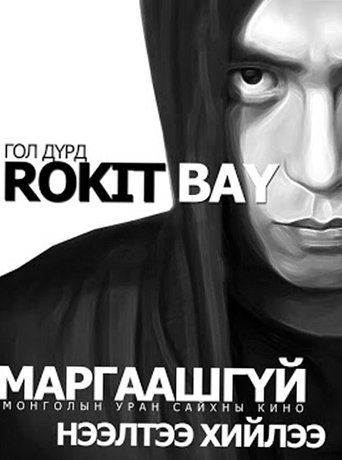
The story follows a 17 year old boy who travels to a human land and faces the hardships of life. There is a proverb that says, "The fabric of familiarity is soft." It tells the story of how sudden changes in a person's lifestyle and outlook affect and reflect on life.
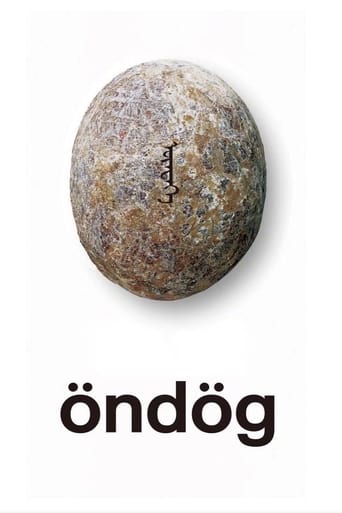
A naked woman is found murdered in the Mongolian steppe. Overnight, a young and inexperienced policeman has to secure the crime scene. Since he is not familiar with the dangers on site, a local herder is sent to guard him and the body. This resolute woman in her mid-thirties knows how to handle a rifle – and how to scare away wolves. She lights a fire against the cold. Alcohol also helps them to stay warm. At her instigation, the two get closer to each other. The next morning, they will go their separate ways.
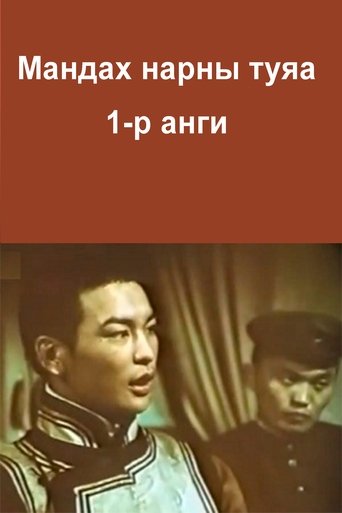
The work reflects the historical life of the great general D. Sukhbaatar, who started participating in the People's Revolution.

Set in the 15th century after the collapse of Genghis Khan's empire, and follows Mandoukhai from her youth when she's forced to marry the new ruler to her violent death after unifying the vast Mongolian empire.
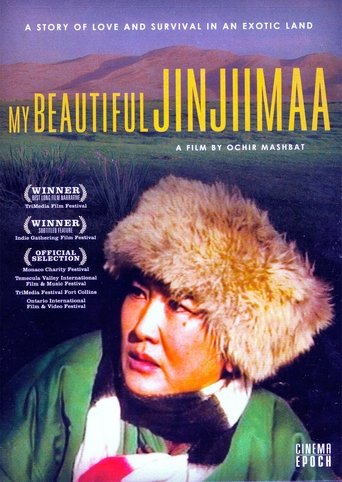
My Beautiful Jinjiimaa is an emotional romantic drama in a setting few in the U.S. have ever seen. A deaf woman, Jinjiimaa, is raped by the local party Chairman, and shoots her attacker. Her lifelong friend, lame farmer Sukhee, goes to prison for six years for Jinjimaa’s crime. The film begins with his return, where Sukhee and Jinjiimaa meet—each with a secret.
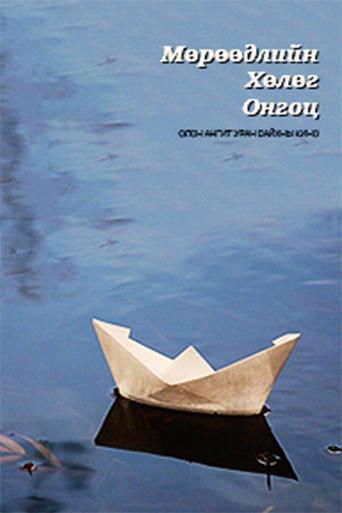
It shows the current school curriculum and the lives of students.

Set in the 15th century after the collapse of Genghis Khan's empire, and follows Mandoukhai from her youth when she's forced to marry the new ruler to her violent death after unifying the vast Mongolian empire.
