
Why the Moon Doesn‘t Have a Dress 2009
Animation based on a popular Serbian tale about the moon and why it doesn‘t have a dress.
Animation based on a popular Serbian tale about the moon and why it doesn‘t have a dress.

Animation short.

A parodic story about a crime punishable by the laws of a totalitarian society.
Animation short.
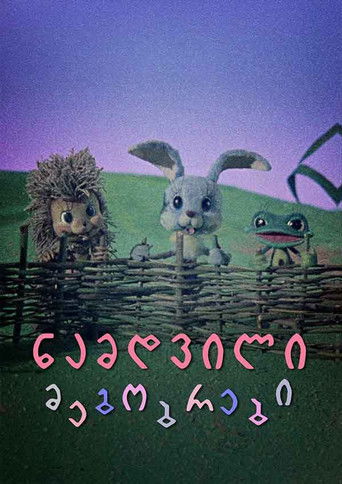
Little Mouse is finding new friends when his mother leaves him alone for a while.
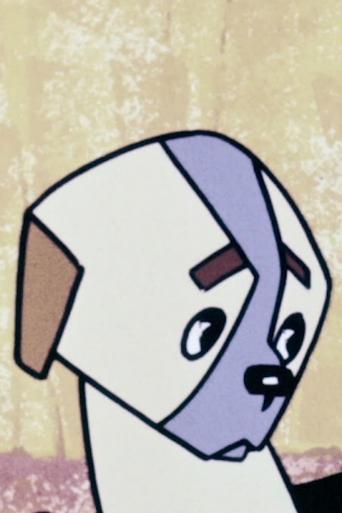
Dog, cat and mouse fight for sausage.
A short film
Local betting casino and its unique society.
Documentary about a martial arts camp on the shores of Lake Bazaleti.

On Akhmeteli St. #4 in Tbilisi, Georgia, there stands a decrepit apartment house the director of this documentary once grew up in. After 10 years spent abroad, he returns to capture the daily life of his neighbors on camera. the author quietly observes their private stories and examines how they are able to find happiness despite economical hardship and how they preserve their personalities and humor in spite of disillusion. Artistically, the film is based on the house as a microcosm metaphorical of today‘s Georgian society.
In 2008, through Russian military interventions, South Ossetia was declared an “independent” territory. Robinson and part of his family still live in the Georgian settlement that was built for the refugees. The story of a parallelism: while Robinson gazes into the distance, uprooted, life for his grandchildren begins in the here and now.
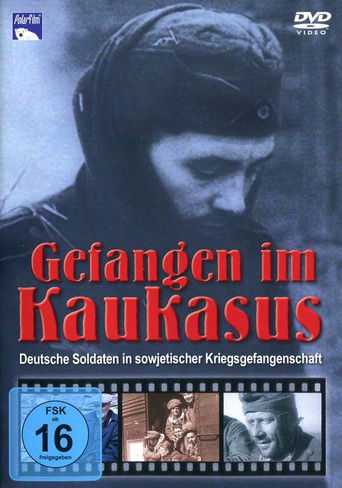

TV documentary about architect Lado Aleksi-Meskhishvili, who was also a downhill skiing and boxing champion of Georgia, directed by his widow.
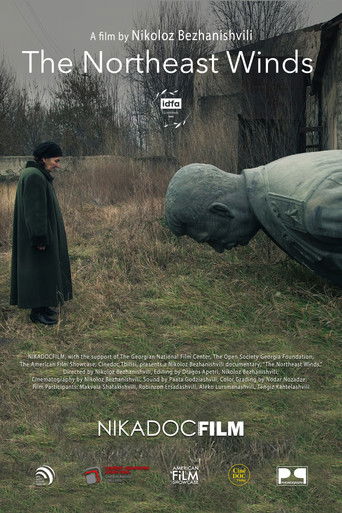
“The disintegration of the Soviet Union is the greatest crime of the twentieth century.” This has been stated by Vladimir Putin on several occasions, and some residents of Gori strongly agree with him. In Stalin’s birthplace in Georgia, they dream about a return to the time when the dictator was firmly in control.
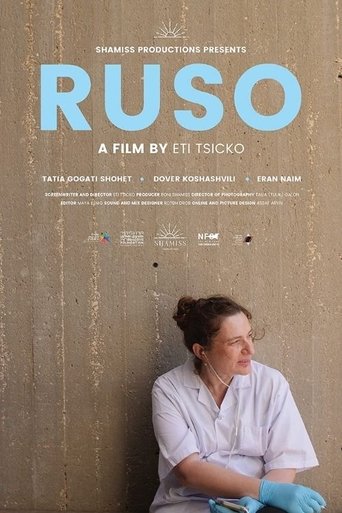
Ruso, a migrant worker from Georgia, begins another cleaning shift at the University. She keeps her head down, does her job as required, and passes the shift on phone calls with her son. Usually no one notices her. That's not the case today.
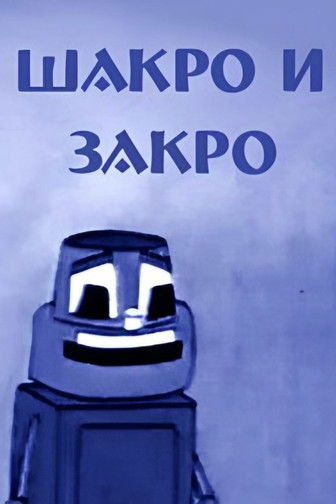
Two trucks with contrasting personalities each find love on the road.
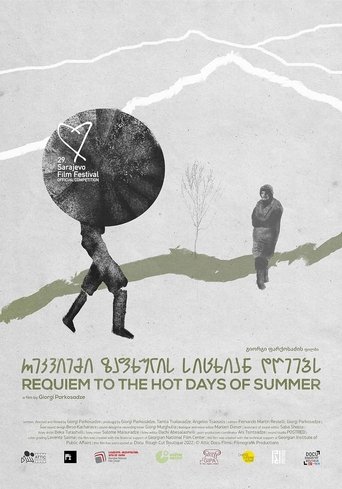
Guri and his mother, Sanata, have been living in a mountainous village of Georgia, with a dog – Tuia. The visual observational journey vividly shows motherhood’s bond, image of everlasting, pure, endearing union. Meanwhile, living in harmony, what happens if a third person intrudes in their tacit relationship. The young lady’s rapid appearance arouses questions – to what direction their life will turn, what will be transformed, lost, or gained.
The world has become akin to an abandoned video game: frozen and endless. State of Emergency wants to recreate this strange video-game reality. The film is an attempt to save a place in time: to describe it, and to remember it. Our current present — our own state of emergency, the Covid-19 pandemic — began more than a year ago, and no one knows how long it will last. The main markers of this new reality are isolation and distance. In the film, we see a virtual city has become like time itself, a labyrinth that is endless and uncertain. Meanwhile, lines from a diary collect the disparate thoughts accumulated over the course of a month.
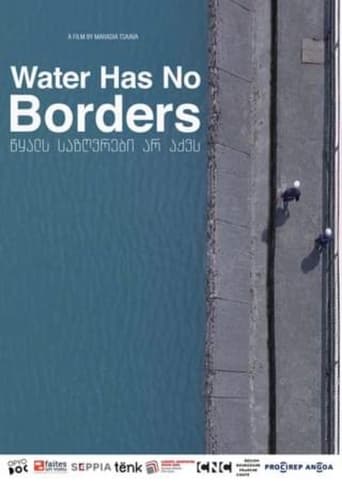
Since the end of the civil war in the early 1990s, the region of Abkhazia has been acting independently of Georgia. This has turned a massive dam into a border. But the hydroelectric power station also connects the two political entities: Because over a distance of fifteen kilometres the water flows freely, underground, from one side to the other. When a young journalist gets stranded here, stories of division emerge.

