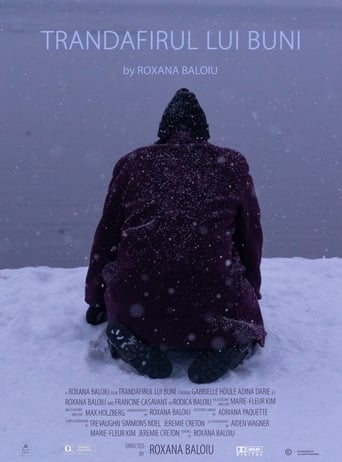
Grandma's Rose 1970
Director Roxana Baloiu's personal reflection on the loss of her grand-mother's mind to Alzheimer's. A deeply personal tale of longing, loss and regret. A love letter from a grand-daughter to a grand-mother.
Director Roxana Baloiu's personal reflection on the loss of her grand-mother's mind to Alzheimer's. A deeply personal tale of longing, loss and regret. A love letter from a grand-daughter to a grand-mother.
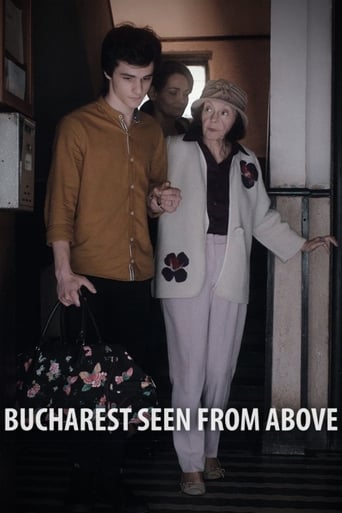
A road trip full of remorse, doubt and darkness. Starring Marina Voica, a Romanian pop singer.
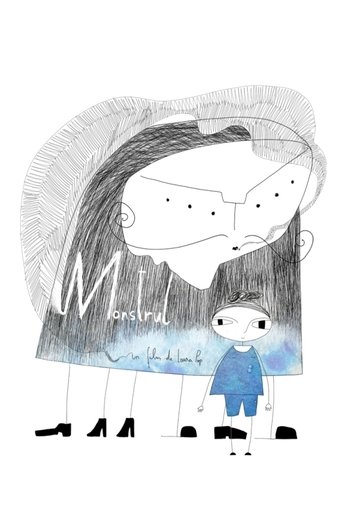
Living a constant adolescent drama with the monster in her head, a young girl embarks on a spiritual journey in order to make peace with herself and with the ones around her.


Estera is twenty now, so she must get married, her small-town family thinks. Estera obliges, but there is a trace of doubt on her face. Does she really want to marry? Does she even love this man? The film delves into Estera's doubts and worry as she's preparing for the 'best day of her life'.
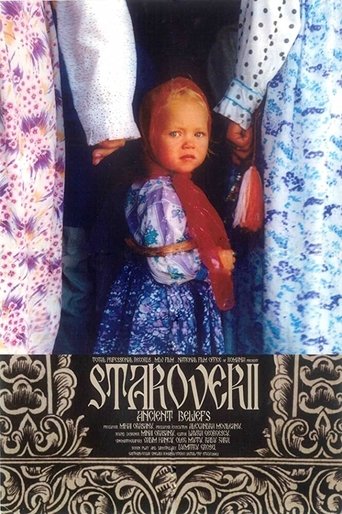
The story of the old Russians began in the XVI century, when the Patriarch of the Russian Orthodox Church, supported by the Czar, imposed religious reforms in Russia. Those who have refused to obey were brutally persecuted and forced to seek refuge in Siberia or in faraway places. Many hidden in Europe, and some of them settled down in China, Japan, America and Australia. The Russian Old Believers Community that settled down in Romania is one of the most numerous. The film explores the extraordinary power of this community to preserve their language, customs and religion, finding in their faith in God the source of strength to resist. This film tries to render the patriarchal air of the medieval Russia, from which these people came.

Lache is unemployed. He falls asleep on the border of Lake Floreasca while peeping at a group of girls who are bathing in the lake. This image makes him dream about himself being inside a harem where the guards catch him and throw him in jail. Here he is found by Lili Dinamita, an artist who was brought to the harem after having been kidnapped by the white slavers. The two try to escape and they almost succeed in doing it, when Lache wakes up among the girls he was admiring when he fell asleep.
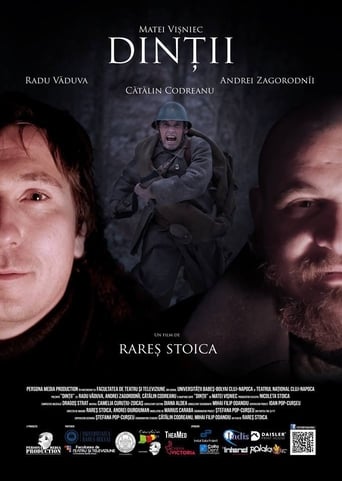
A couple of thiefs from a battlefield have a strange encounter that will change them forever.
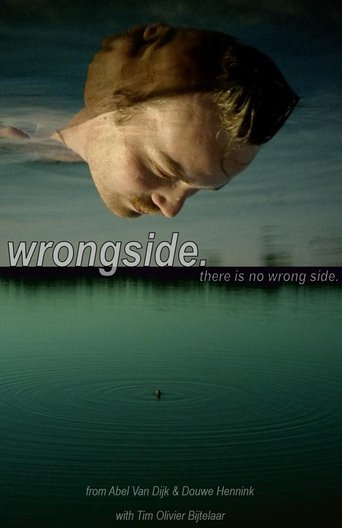
'Incurable' is what Romanian call them. They speak about 'the wrong side'. In this short film we follow a young man, fighting against this major taboo.
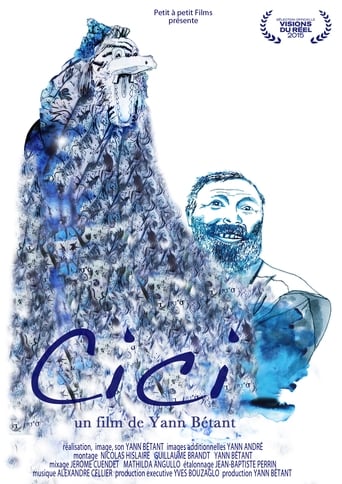
An immigrant from Romania tries to give life to his picturesque puppet on the streets of a Swiss city, a job that represents his livelihood, but will have to embark on a bureaucratic adventure to achieve it.
He wants her. She wants him. Both of them in one bed. Even though they have been declaring their love for each other for more than a year now, it’s still not enough for their love affair to resist even though they've seen each other so many times already. It’s not routine. It’s not boredom. It’s something we all face at one point. And when you think everything will work out, here comes reality knocking everything down.

A TV team visits the camp of a Roma community in Bucharest that was recently evicted and is protesting. During the interview, the protestors start questioning the motivations of the reporting team and claim their right to tell their version of the story. The film is based on the story and experiences of the evicted people from Strada Vulturilor 50 in Bucharest.
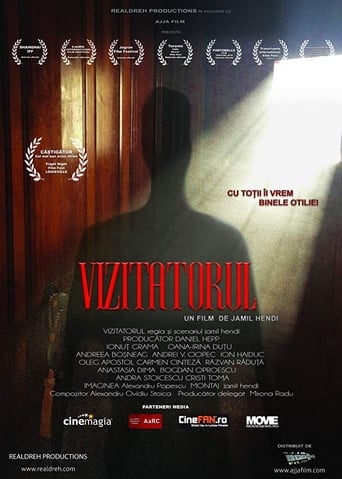
Luca and Otilia,two young people just beginning their lives, move in the big city, helped by their childhood friend, Vlad. They rent a flat in an old building, in which only one old man lives, Felix. The flat has a peculiar past: a former tenant, Irina, disappeared mysteriously 6 months ago. One night, after a big fight, Luca falls asleep in the living room and leaves Otilia alone in the bedroom. During the night, Luca hears the scream of his wife coming from the bedroom. Scared, Luca goes to the room where he had heard the scream from. He notices that his wife has disappeared, just like the previous tenant, without any warning. A crazy game begins: Luca has to find out what happened to his wife and face the accusations that others bring on him, especially to Vlad's, who was in love with Otilia.
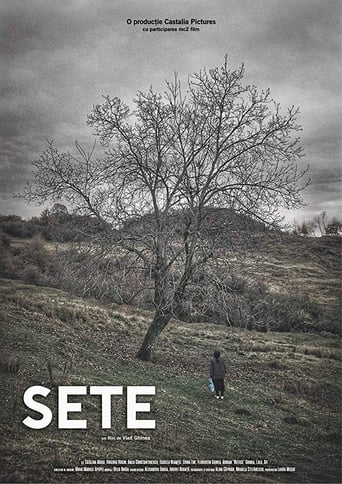
On Saint Andrew's day, Safta leaves the comfort of her home to find the veterinary doctor who could help her save the family cow. Safta's plans change when a bizarre encounter forces her to face her past.
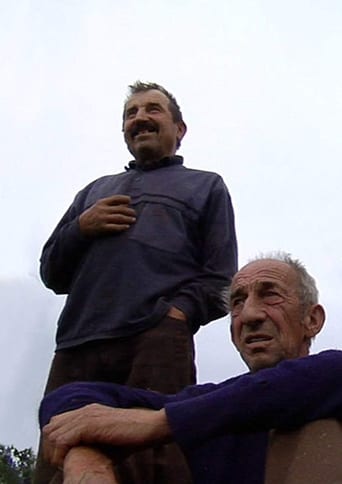
Two characters, a carriage and a horse. Where are they going? Towards what? Joy, torment and undefinable music. Vulnerable, yet not ready to surrender. They are the poets of time.

The year is 1972, two years before the regular newsreel produced by the Sahia Studio – known as The Week in Pictures – was discontinued. Sahia started producing the newsreel at the beginning of the 1950s, as an extension of the Sound Newsreel produced by the National Cinematographic Office. Production ceased in March 1974, after newsreel had been made obsolete by television news.
Armed with a gun he finds thrown in the corner of the block of flats where he lives, Nae sets off on a nocturnal adventure through the city. Influenced by his cinephile imagination, the reality of the almost deserted streets merges with a noir drama atmosphere he obsessively watches. Projected into the grey landscape of Bucharest in the late 1990s, the tragic and absurd action of Cristian Lucian Dobrovicescu's short film is cut out and stylized in the manner of comics.
