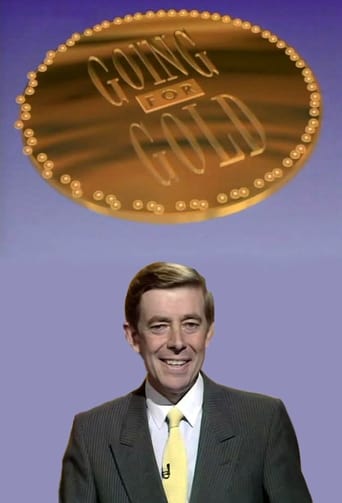
Going for Gold 1987
Going for Gold is a British television game show that originally aired on BBC One between 12 October 1987 and 9 July 1996. It has since been revived for Channel 5 from 13 October 2008 to 20 March 2009.
Going for Gold is a British television game show that originally aired on BBC One between 12 October 1987 and 9 July 1996. It has since been revived for Channel 5 from 13 October 2008 to 20 March 2009.
Big Break is a British game show based around the game of snooker, mixed with traditional game show elements. It was broadcast on BBC1 between 30 April 1991 and 9 October 2002. It influenced a later game show for the network called Full Swing, but based around golf, and itself was in part influenced by ITV's long-running darts quiz Bullseye.

When questions about familial genealogy arise, it's up to two diligent and sophisticated owners of the company DNA Confidential to unearth the Secrets, Lies and DNA Ties among their clients in order to get the answers needed.
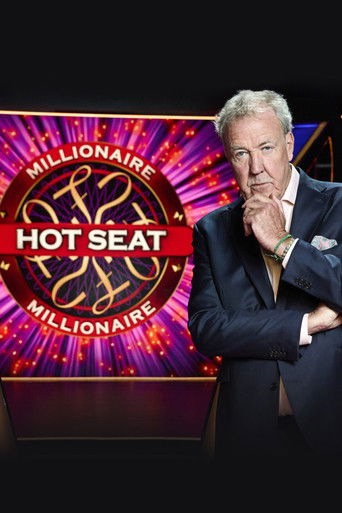
Jeremy Clarkson hosts the quiz where each episode sees six hopefuls compete for a one-million-pound prize - however, only one player can take their place in the Hot Seat at a time and answer multiple-choice questions to work their way up the Money Ladder.

Split Second was a show where the categories had three different questions, and it was up to three contestants to answer them. It ran from 24 December 1987 to 15 March 1988. It was based on the American/Canadian version created, produced and at one time hosted by Monty Hall of Let's Make a Deal.
Everybody's Equal was a game show hosted by Chris Tarrant and aired on ITV from 7 June 1989 to 22 July 1991. Versions also existed in many European countries, plus Canada. Elements of the show resemble Tarrant's future hit Who Wants to be a Millionaire?, particularly its "Fastest Finger First" game. The format was simple - 200 contestants were asked a question with four options and those who got it right were asked another. This continued until less than ten players survived, at which point they face four questions which are worth £50 each. The player who correctly answers the final question the fastest goes on to play the final round. The winning contestant must place four things into the correct order, to win £1000. If they get it wrong, the money is divided equally between all the other contestants. This was all made possible via the use of 200 small handsets, which were centrally linked to a computer.
