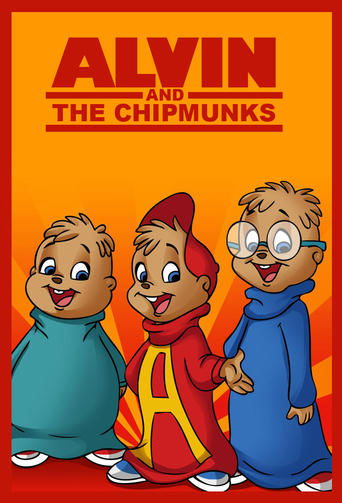
Alvin and the Chipmunks 1983
Three chipmunk brothers, Alvin, Simon, and Theodore are adopted by human, Dave.
Three chipmunk brothers, Alvin, Simon, and Theodore are adopted by human, Dave.

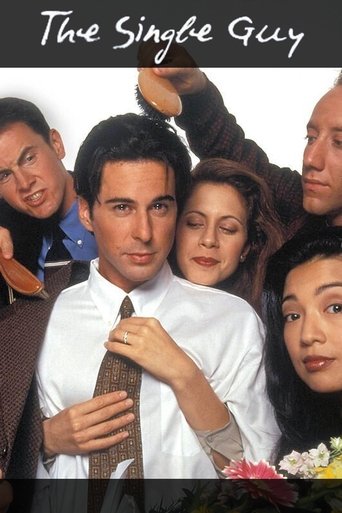
Susan Keane is a glamorous San Francisco magazine writer beginning to adjust to being single, who learns to be independent-minded, after being taken care of all her life.
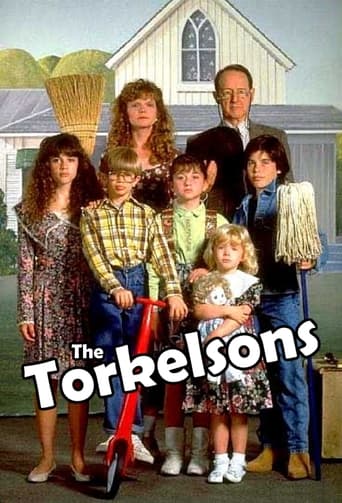
Millicent Torkelson does what she can to hold her family together as it shrinks to just her and her children after her husband Randy abandons the family.
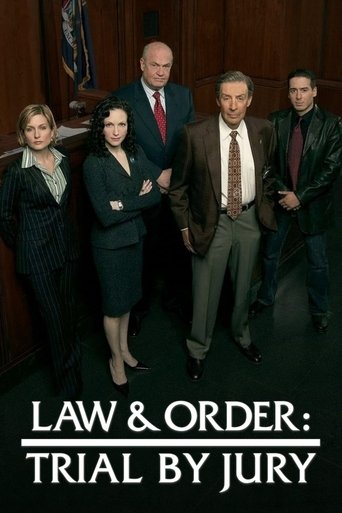
The inner workings of the judicial system, beginning with the arraignment, and continuing through the prosecutors' complicated process of building a case, investigating leads and preparing witnesses for trial.
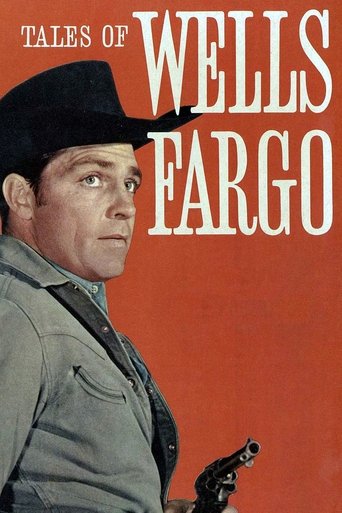
Jim Hardie helps Wells Fargo agents battle the bad guys.
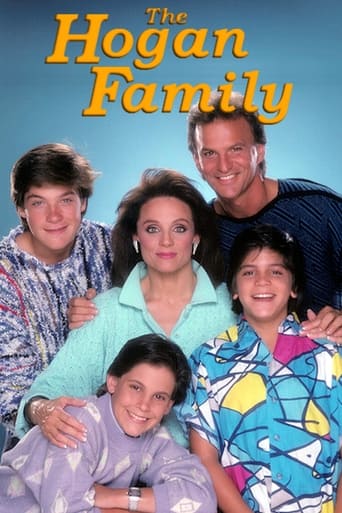
The Hogan Family is an American television situation comedy that aired on NBC from March 1, 1986 to May 7, 1990, and on CBS from September 15, 1990 until July 20, 1991. It was produced by Miller-Boyett Productions, along with Tal Productions, Inc., and in association with Lorimar Productions, Lorimar-Telepictures and Lorimar Television. The show was originally titled Valerie and starred Valerie Harper as a mother trying to juggle her career with raising her three sons by her often-absent airline-pilot husband. Harper was written out of the series after the second season because of a dispute with the show's producers. Sandy Duncan joined the cast as the boys' aunt, who moved in and became their surrogate mom. During the show's third season, the series was known as Valerie's Family: The Hogans, then simply as The Hogan Family.
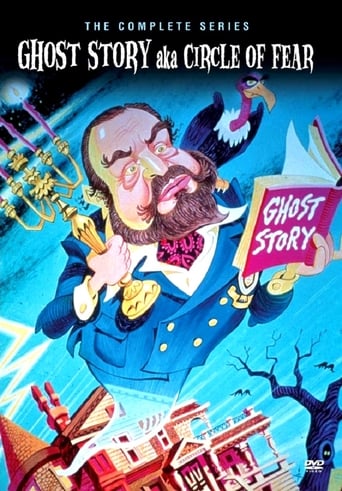
Ghost Story is an American television anthology series that aired for one season on NBC from 1972 to 1973. Executive-produced by William Castle, it initially featured supernatural entities such as ghosts, vampires, and witches. By mid-season, low ratings led to a shift -- for the most part -- away from paranormal themes and a title change to Circle of Fear.
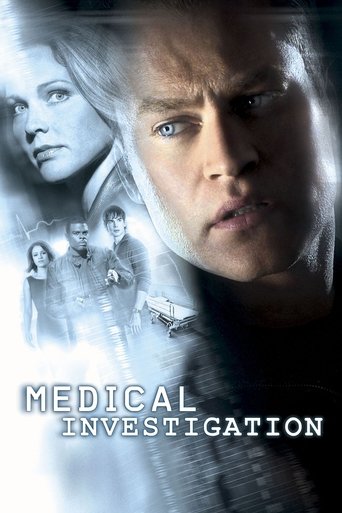
An elite team of medical experts of the National Institutes of Health investigates unusual public-health crises, such as sudden outbreaks of serious and mysterious diseases.
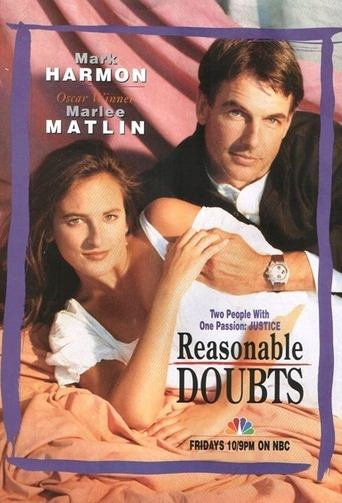
A police drama about the working relationship between Assistant DA Tess Kaufman, a prosecutor sensitive to the rights of the accused, and hard-charging, gruff Detective Dicky Cobb, an old-fashioned cop with a "bust-the-perps" attitude. Reasonable Doubts was broadcast in the United States by NBC and ran from 1991 to 1993.
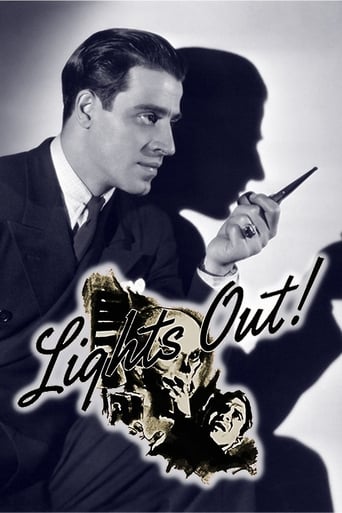
Lights Out was an extremely popular American old-time radio program, an early example of a network series devoted mostly to horror and the supernatural, predating Suspense and Inner Sanctum. Versions of Lights Out aired on different networks, at various times, from January 1934 to the summer of 1947 and the series eventually made the transition to television. In 1946, NBC Television brought Lights Out to TV in a series of four specials, broadcast live and produced by Fred Coe, who also contributed three of the scripts. NBC asked Cooper to write the script for the premiere, "First Person Singular", which is told entirely from the point of view of an unseen murderer who kills his obnoxious wife and winds up being executed. Variety gave this first episode a rave review ("undoubtedly one of the best dramatic shows yet seen on a television screen"), but Lights Out did not become a regular NBC-TV series until 1949.
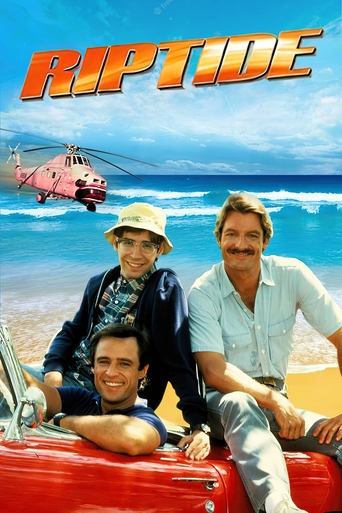
The cases of a private investigations agency run by two Vietnam War veterans and their computer geek friend from high school, armed with toughness, their own helicopter, and the third's technical ability.
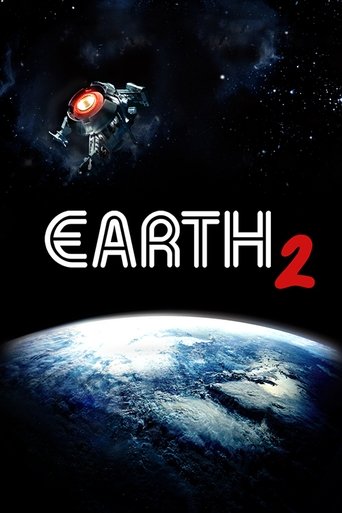
Two centuries in the future, when pollution has forced humans to abandon Earth in favor of cramped space stations, scientist Devon Adair hijacks a spacecraft and sets out with a band of followers in search of another planet that will offer a brighter, more normal future to children like her son, Ulysses. Joining Devon and Ulysses are mechanic John Danziger and his daughter, True; team physician Julia Heller, who has her own secret agenda; Alonzo Solace, a pilot; Yale, a cyborg; and Morgan, a craven government agent, and his wife, Bess. The voyagers find their planet, but their ship crash-lands on the wrong side of the globe, forcing them to attempt an arduous and dangerous trek to their ultimate destination, New Pacifica.
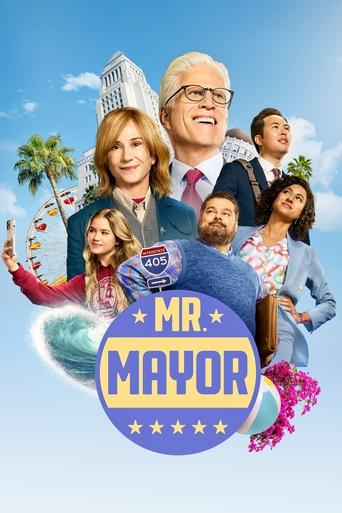
A retired businessman runs for mayor of Los Angeles to prove he's "still got it." Once he wins, he has to figure out what he stands for, gain the respect of his biggest critic and connect with his teenage daughter, all while trying to get anything right for America's second weirdest city.
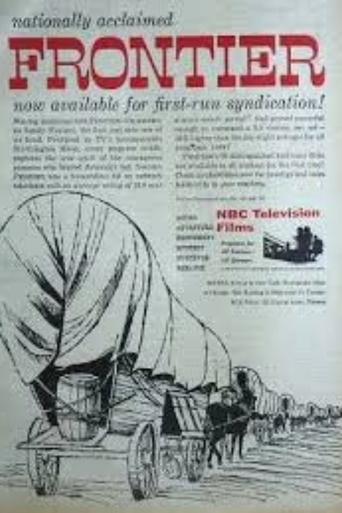
Frontier is an American Western anthology series that aired on NBC from September 1955, to September 1956. The series de-emphasizes gunplay and focuses on the hazards of the settlement of the American West. It was only the second anthology Western series in television history, having been preceded by Death Valley Days. Frontier aired premiered on September 25, 1955, and ran sporadically in its last five months. Walter Coy narrated the series and starred in occasional episodes, which are dramatizations based on actual events. The program was produced by Worthington Miner.
Armstrong Circle Theatre is an American anthology drama television series which ran from 1950 to 1957 on NBC, and then until 1963 on CBS. It alternated weekly with The U.S. Steel Hour.
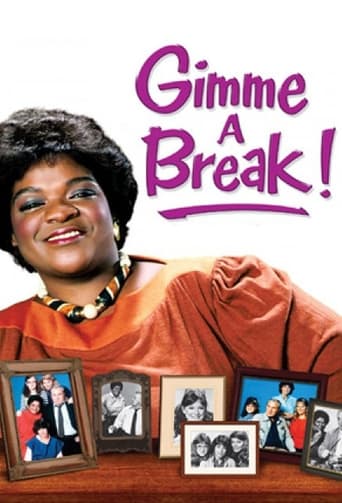
Gimme a Break! is an American sitcom which aired on NBC for six seasons, October 29, 1981, until May 12, 1987. The series stars Nell Carter as the housekeeper for a widowed police chief and his three daughters.

Shirt tales is an American animated series that aired on NBC from September 18, 1982 to January 21, 1984. The series featured animal characters, created in 1980 by greeting card designer Janet Elizabeth Manco, that were among Hallmark Cards' best sellers at the time.
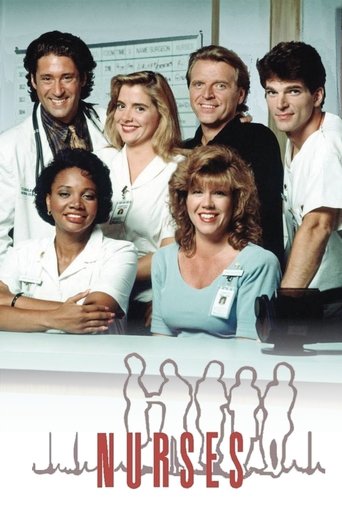
Nurses is an American sitcom television series that aired on NBC from September 14, 1991, to May 7, 1994, created and produced by Susan Harris as a spin-off of Empty Nest, which itself was a spin-off of The Golden Girls.
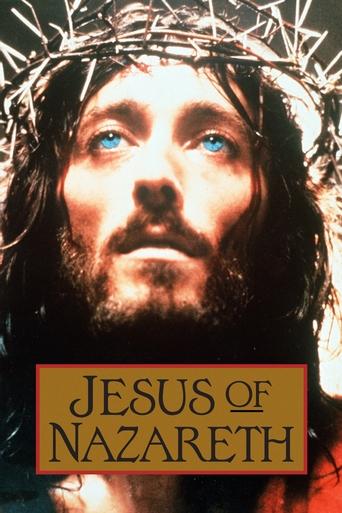
Dramatizes the Birth, Life, Ministry, Crucifixion, and Resurrection of Jesus Christ, largely according to the Holy Bible's New Testament Gospels.
