The Kiss in the Tunnel

The Kiss in the Tunnel 1899

5.80

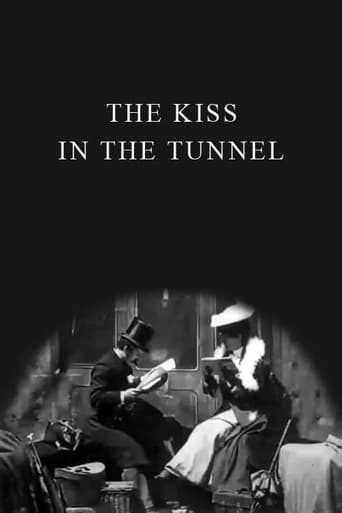
Produced and directed by George Albert Smith, the film shows a couple sharing a brief kiss as their train passes through a tunnel. The Kiss in the Tunnel is said to mark the beginnings of narrative editing. It is in fact, two films in one, hence the 2 min length. Firstly, the G.A. Smith film here for the central cheeky scene in the carriage. The train view footage however is Cecil Hepworth's work, entitled 'View From An Engine Front - Shilla Mill Tunnel', edited into two halves in order to provide a visual narrative of the train entering the tunnel before the kiss and then leaving afterwards. More information about the filming of the phantom train ride can be found searching for the Hepworth film separately.

1899

Gordon Highlanders Leaving for the Boer War

Gordon Highlanders Leaving for the Boer War 1899

1

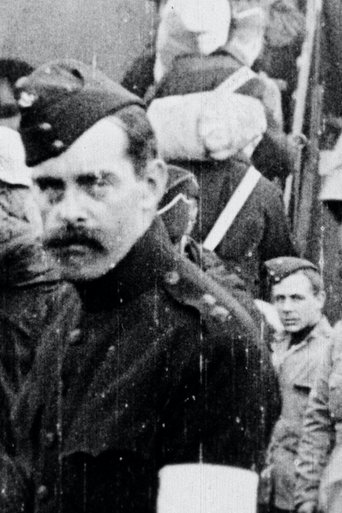
A parade of Gordon Highlanders in dress uniform march through the centre of Aberdeen on their way to the Boer War. Small children run around in excitement but are moved aside by a member of the regiment. Directed by Robert W. Paul.

1899

Astor Battery on Parade

Astor Battery on Parade 1899

2.80

The Astor Battery became famous after the Spanish-American war and these young men are on display in this Edison short, which was shot on Saturday, January 21, 1899. We see a parade cross Broadway onto Union Square with the mounted police, the band and then the Astor Battery. The footage of this short is still in very good condition, which adds a lot considering how little footage is available of these men.

1899

Sadakichi Shimizu, the Armed Robber

Sadakichi Shimizu, the Armed Robber 1899

1

'Armed Robber Shimizu Sadakicchi' is considered Japan's debut film and came on the heels of the country obtaining its first film camera. It famously was only a couple of minutes' long as its film reel was only seventy feet long. It featured who is considered to be Japan's first film actor Unpei Yokoyama who was one of two actors in the film. It features one scene where a robber is apprehended by the police.

1899

Cinderella

Cinderella 1899

6.19

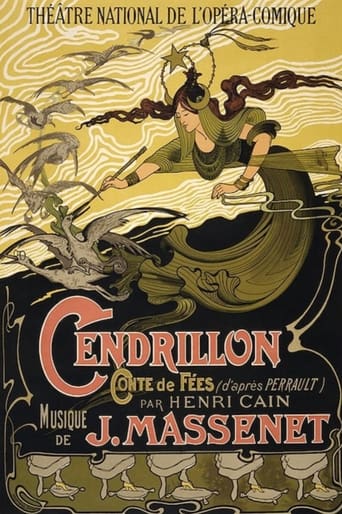
A fairy godmother magically turns Cinderella's rags to a beautiful dress, and a pumpkin into a coach. Cinderella goes to the ball, where she meets the Prince - but will she remember to leave before the magic runs out? Méliès based the art direction on engravings by Gustave Doré. First known example of a fairy-tale adapted to film, and the first film to use dissolves to go from one scene to another.

1899

Stealing a Dinner

Stealing a Dinner 1899

2.20

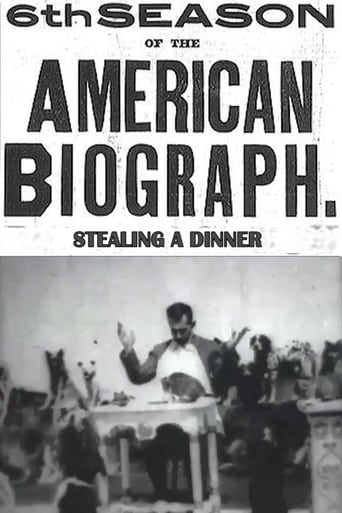
“Another exhibition by Prof. Leonidas' troop of cats and dogs. One of the dogs is shown stealing his dinner from the table in his master's absence. In order to cover his own crime, the dog places a cat on the table, where she is found when the master comes in.” (AMB Picture Catalogue, 1902)

1899

Trick Bears

Trick Bears 1899

2.80

Circus bears showing their tricks.

1899

Panorama from the Tower of the Brooklyn Bridge

Panorama from the Tower of the Brooklyn Bridge 1899

4.50

Filmed from the Brooklyn tower of the bridge, this is a panorama starting at Manhattan's Battery and then panning northward along the East River shoreline. Reportedly filmed somewhere between 1897 - 1899, though not copyrighted until 1903.

1899

The Kaiser at Portsmouth

The Kaiser at Portsmouth 1899

1

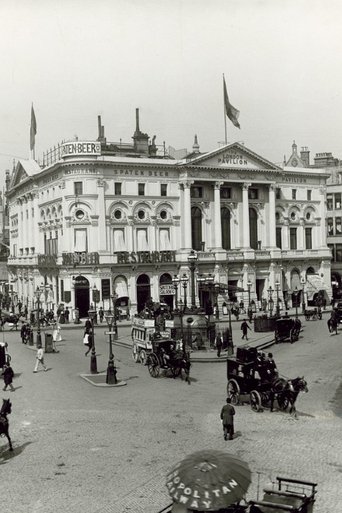
Short actuality showing Kaiser Wilhelm II visiting Portsmouth, including views associated with Nelson’s flagship H.M.S. Victory. Produced in Britain during the late-Victorian boom in topical films, it records the Kaiser’s naval-themed stop at the Royal Navy’s principal base.

1899

Across Brooklyn Bridge

Across Brooklyn Bridge 1899

4.30

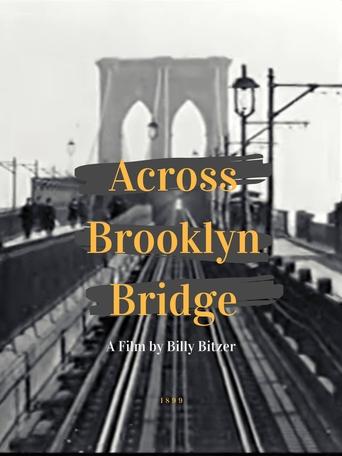
This picture is very novel and interesting. It gives the complete trip from the station at the New York City end of the bridge to the station at the Brooklyn end, as seen from the front end of a third rail car running at high speed. The entire trip consumes three minutes of time, during which abundant opportunity is given to observe all the structural wonders of the bridge, and far distant river panorama below.

1899

The Pillar of Fire

The Pillar of Fire 1899

5.89

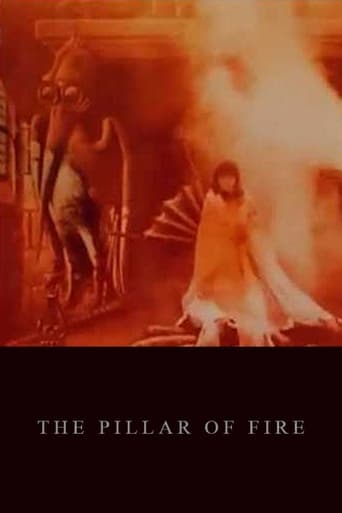
A devil wearing bat-like wings and brandishing a trident dances around a giant pot, conjuring forth flame from his trident to lit a fire beneath the pot. After the devil works the fire with bellows, an angelic woman emerges from the pot. The devil and the pot vanish as the woman performs a dance, waving about her diaphanous sleeves until she conjures forth another fire, then she rises amongst the smoke into the air.

1899

Raising Old Glory Over Morro Castle

Raising Old Glory Over Morro Castle 1899

2.60

"Down goes the Spanish flag, and up floats the Stars and Stripes. Down falls the symbol of tyranny and oppression that has ruled in the new world for four hundred years, and up goes the Banner of Freedom. In the distance are the turrets and battlements of Morro, the last foothold of Spain in America."

1899

King John

King John 1899

4.90

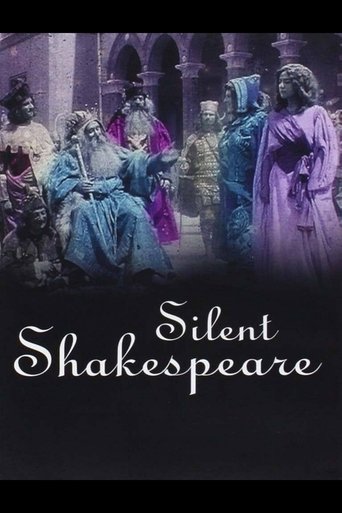
Based on Shakespeare's play, Act V, Scene vii: King John is in torment, and his supporters fear that his end is near. As he writhes in agony, he is attended by Prince Henry, the Earl of Pembroke, and Robert Bigot. Prince Henry tries repeatedly to comfort his delirious father, but to no avail - John's pain is too great.

1899

Summoning the Spirits

Summoning the Spirits 1899

5.22

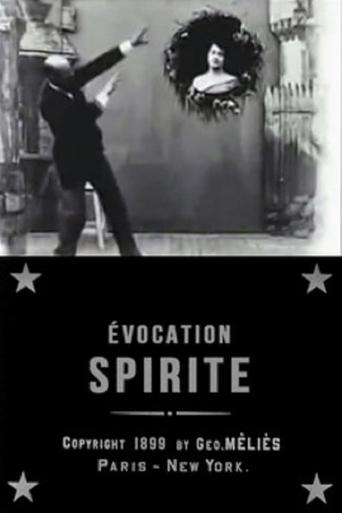
A bearded man hangs up a wreath and, like any good magician, waves his hands inside of it and under it to show us it's only a wreath…

1899

Two People at Dojo temple

Two People at Dojo temple 1899

1

Shot at the Kubut-za in Tokyo and a rare record of two classical kubuki actors, Onoe Eizaburo V and Ichimura Kakuki-za VI, A surviving poster for this film is illustrated by a woodblock print of the lead actors by ukiyo-e artist Yutaka Hitoshi, a frozen moment of the incipient transition from traditional art-forms of ukiyo-e and kabuki to the new, and all-dominating medium of katsudo-shashin (cinema).

1899