
An Historic Feat 1900
Animal herding across a large river.
Animal herding across a large river.
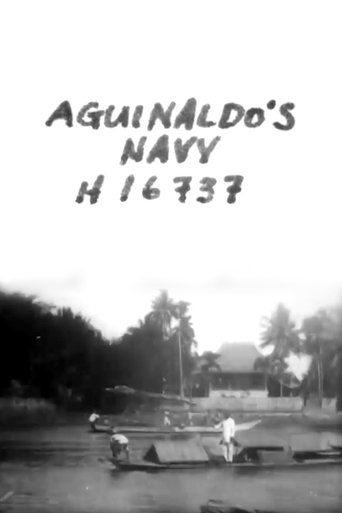
A splendid scene, showing a large number of curious Filipino boats being worked on the Pasig River near Manila by natives. The picture is unusually fine photographically.
Visitors come and go to the thermal springs of Le Mont-Dore. Some are wrapped up in warm garments, some arrive in palanquins.
During the terrific storm all of the light craft along the dock front was lifted out of the water and washed up into the streets, many of them being carried for miles inland. This subject shows a number of boatmen who have banded together to get their craft back into the water, a panoramic view being taken of the schooner as she glided sideways down the improvised ways, forming a very interesting subject. 60 feet. $9.00.
This picture shows several buildings which were wrecked and also shows a rear view of this hotel, which is on the highest point of land in Galveston, and in which several thousand people were saved.
This is the building in which so many of the poor orphans met their death. The place is completely dismantled. In addition to the orphanage is shown one of the principal streets in Galveston blocked with overturned houses and other materials.
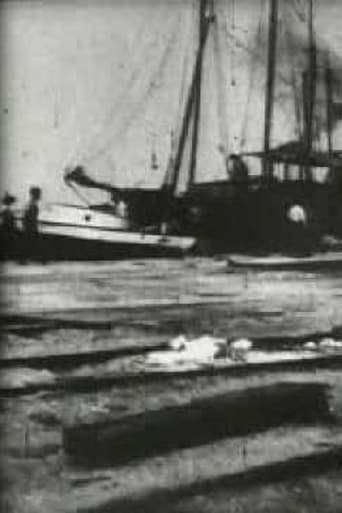
At the first news of the disast by cyclone and tidal wave that devastated Galveston on Saturday, September 8th, 1900, we equipped a party of photographers and sent them by special train to the scene of the ruins. Arriving at the scene of desolation shortly after the storm had swept over the city, our party succeeded, at the risk of life and limb, in taking about a thousand feet of motion pictures, although Galveston was under martial law and photographers were shot down at sight by the excited police. The series, taken as a whole, gives a definite idea of the most terrible disaster since the Johnstown flood of 1889.
Funeral ceremonies in memory of King Umberto I, attended by President Campos Sales.
Visit of President Émile Loubet and his entourage. Lumière Catalogue #1153.
Villa Negro is a silent travelogue of unknown date and production company, preserved in a 35mm print (300 ft., 4'53" at 16 fps) with German intertitles, held by the BFI National Archive in London. According to notes by Renato Venturelli in the 44th Pordenone Silent Film Festival catalogue, the film opens with a view labeled “Villa Negro,” referring to Villetta Di Negro—a public park in Genoa that was formerly a cultural center in the early 19th century. The villa is shown from Piazza Corvetto, with statues of Giuseppe Mazzini and Victor Emmanuel II. The film also includes views of Castello Mackenzie, designed by Gino Coppedè, as well as scenes of a coastal storm, the Cathedral of San Lorenzo, the Church of the Nunziata’s vestibule, the Columbus monument in Piazza Acquaverde, Palazzo Doria (Villa del Principe), and the Staglieno Cemetery. The surviving footage is fragmentary but features consistent image quality and frequent panoramic camera movement.
Actuality film recording the entry of British Commander-in-Chief Lord Roberts into Pretoria during the Second Boer War. The scenes show the victorious march and ceremonial arrival of Roberts and his troops, commemorating a key moment in the British campaign.
Short film about the 25th anniversary celebration of the Gutenberg Museum in Mainz, Germany.
An early variety performance with synchronised gramophone sound. Thought to be an early version of The Blind Boy (1917).
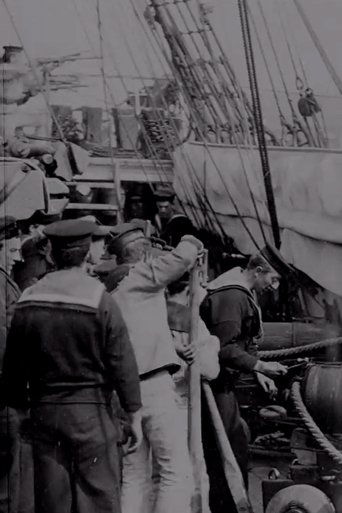
Royal Navy recruits firing cannons and rifles on board a ship.

An advertisement made for Dewar's whisky brand.
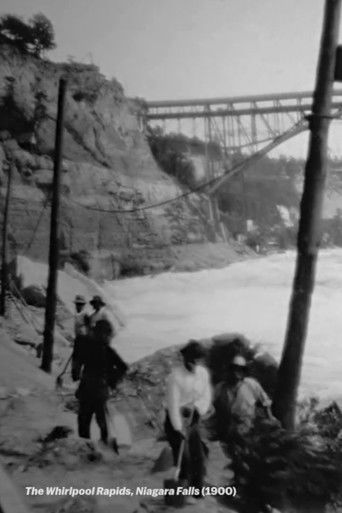
Showing the Whilrpool Rapids as they are seen from the front of a car on the Great Gorge Road.
Spanish lost film about Valencian traditions directed by Ángel García Cardona.
