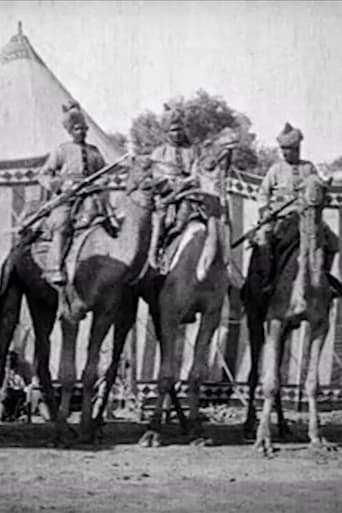
Indian Scene of Procession 1903
Stately scenes in India, likely filmed during the 1903 Delhi Durbar.
Stately scenes in India, likely filmed during the 1903 Delhi Durbar.
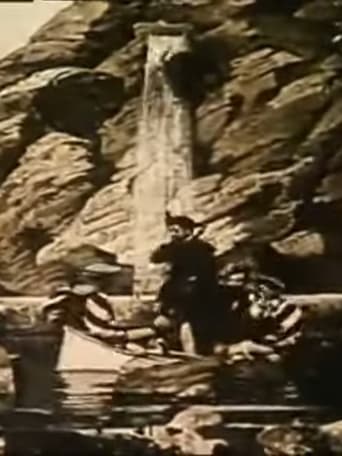
Historical legend composed of five Scenes. 1. William Tell's heroism. 2. The Plot. 3. The Apple. 4. Death of Gessler. 5. The Swiss cheer their Liberator. This popular and interesting legend takes place amidst the country life of the mountain populations. The beautiful and picturesque sites which exist in Switzerland have given us an opportunity of utilising the resources our theatre affords, and our scene-painters have been able to have a free run on their imaginations, and have completed the work by a series of magnificent scenes in the most artistic character.

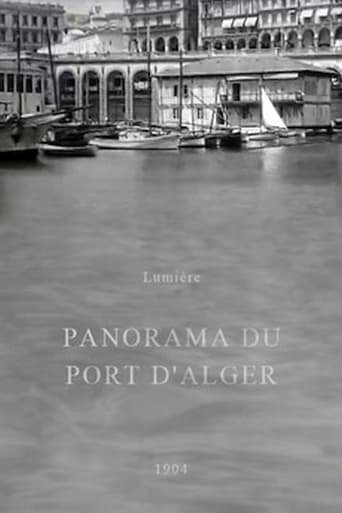
Panorama of the port of Algiers.

A sentinel is surprised by some bears and climbs up onto his sentry box in order to hide himself. He takes off his uniform and throws it at the bear, but this does not affect the animals in the slightest and a gun shot has no better effect. One bear creeps into the box, when a brigand arrives who does not know that it is there, and seeing the soldier's garments wants to steal them, but no sooner is he going to take them away than the bear rushes on him. The soldier pushes the box over the fighters and calls for help. Some other soldiers are coming and they lift up the box, but to their great surprise they find only the bear's head and the brigand's cap. A drama must have happened inside.
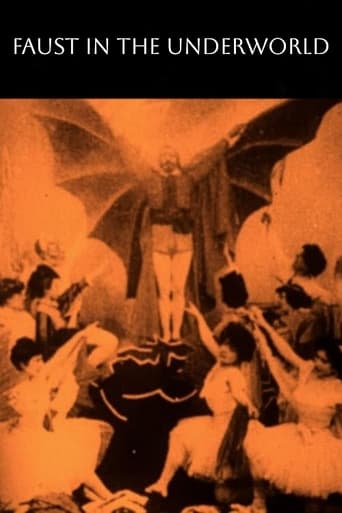
The German legend of a scholar's unholy pact with the Devil would have been very familiar to most moviegoers (at least European ones), so Georges Méliès' early cinematic treatment likely got away with simply offering a fancifully illustrated late episode without the earlier narrative context (however, spoken narration provides some of the latter in this restored print). Tempted by Mephistopheles with all kinds of dancing and ethereal babes, Faust is at first excited and then terrified by the sight of various demons and monsters. The painted-set designers really went hog wild on this one, depicting the (sometimes sexy) torments of subterranean Hell with in bold terms (even when ballerinas prance in the foreground). (Dennis Harvey, Fandor)
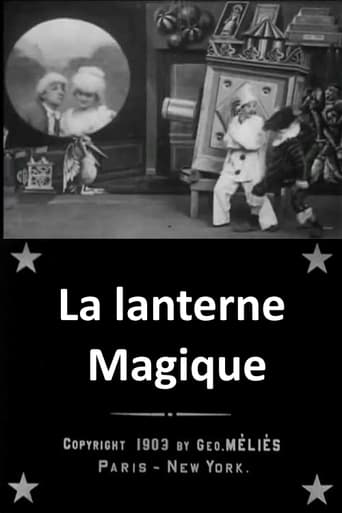
Two impish clowns construct a magic lantern. They prop it up at an angle, and use it to project pictures onto a wall. When the picture show ends, they open up the lantern to reveal a group of dancing girls inside - and this is only the first of the indications that this lantern really is magical.


On september 28th, 1903, the Urban Mountaineering Expedition, headed by Frank Ormiston-Smith, left Zermatt to attempt the conquest of the Matterhorn. On the 29th, the conquest was completed by the filming of the panorama from the actual summit of the mountain. The film consists of 20 scenes and illustrates the whole ascent from Zermatt through the Hornli Ridge. A copy of the film was found in Zermatt in 1953 and was was erroneously attributed to Frederick Burlingham and dated 1901. Since then, the film has been widely publicized as the first mountain film under the title of 'Cervino 1901', but this is incorrect.
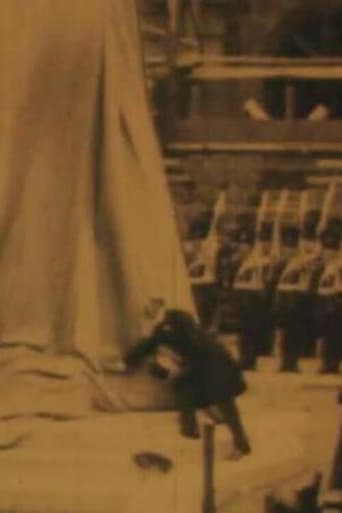
The King's first visit to Ireland's second city - where he unveils Belfast's iconic Queen Victoria statue.
The "Patrol" is seen chasing a row-boat containing river pirates. The pirates are pulling at the oars with all their strength, but a few shots from the Police Boat weaken their nerves and they give up. When the "Patrol" comes up near them, it lowers a dory and a number of policemen make the capture. As the pirates are landed on the Police Boat a fierce fight takes place between them and the police, but the latter overcome the offenders and land them safely on the boat.
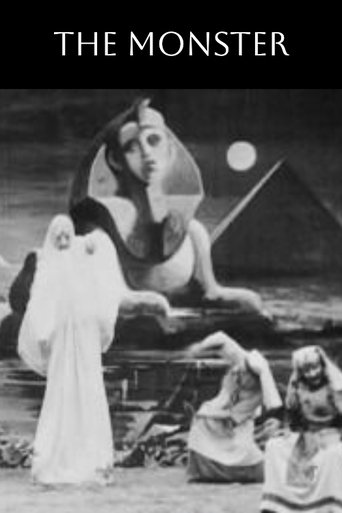
An Egyptian prince has lost his beloved wife and he has sought a dervish who dwells at the base of the sphinx.
A magician performs various tricks.
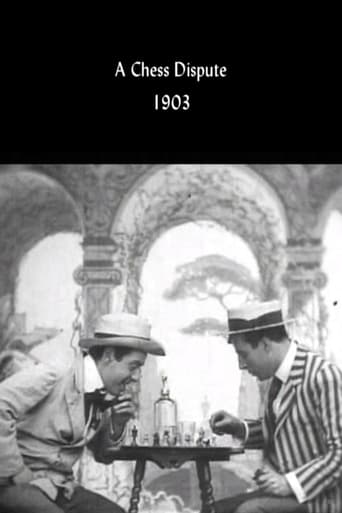
A stationary camera looks on as two dapper gents play a game of chess. One drinks and smokes, and when he looks away, his opponent moves two pieces. A fight ensues, first with the squirting of a seltzer bottle, then with fisticuffs. The combatants wrestle each other to the floor and continue the fight out of the camera's view, hidden by the table. The waiter arrives to haul both of them out.
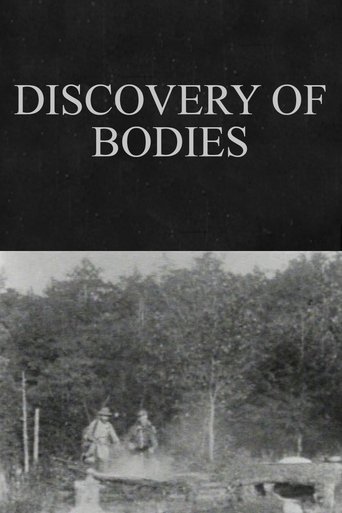
In the next scene all that is left of the cabin is a smoldering ruin. A company of trappers come rapidly out of the forest and discover the bodies of the unfortunate man and woman. With bared heads, and in most impressive fashion they register an oath never to rest until they have wreaked vengeance on the Indian murderers and rescued the child.
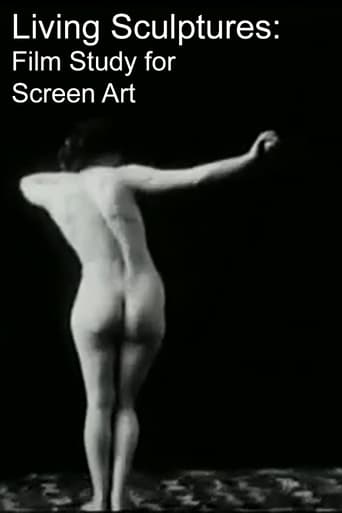
A nude couple pose in an art studio on a square rug, while the camera does a circular traveling around them; the woman has her right knee on the floor and her right arm raised in front of her face, holding the man's thighs with her right, while the man is bent forward, as if looking in the distance.
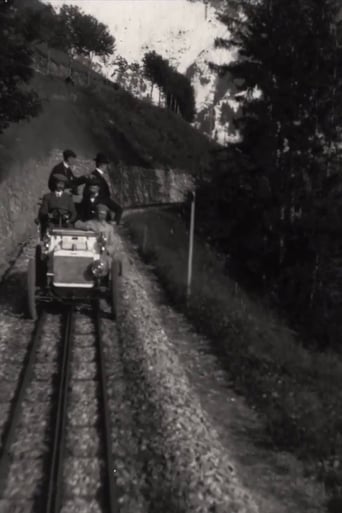
Filmed on a mountain railway from Caux to Rochers de Naye, Switzerland. Originally filmed in 68mm. The film was advertised as being available in 'standard Edison gauge' (35mm) at a total length of 620ft, which included both ascent and descent. The surviving combined 35mm footage (from 68mm originals) equals 519ft.
To fill their jars with water, a group of women gathered around the well. At one point comes Samaria, a woman known for her bad temper. Jesus appears and grants her forgiveness for her sins.
Two housemaids, arguing, start to fight : a houseboy steps in to separate them, and in doing so becomes their target and is literally torn apart. Alarmed by the quarrel, a policeman intervenes. Will order finally be restored?
