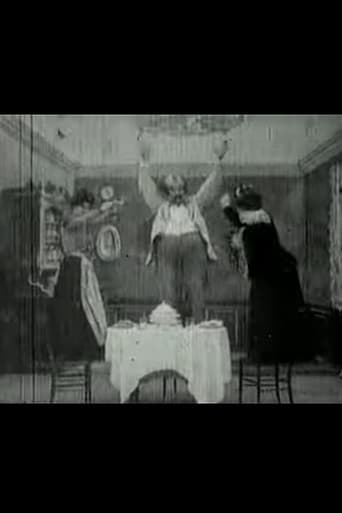
The Magic Table 1908
A family tries to eat dinner, but the table vanishes and reappears, changes shape and location, all in the usual manner laid down by Melies, but here copied by Segundo de Chomón.
A family tries to eat dinner, but the table vanishes and reappears, changes shape and location, all in the usual manner laid down by Melies, but here copied by Segundo de Chomón.

Laying the Foundation Stone of Gustav Adolf's Church.
María Rosa is a Spanish silent film directed by Juan María Codina.
1908 French silent comedy film directed by Georges Méliès, which is currently presumed lost.
Lost film.
A short film starring Clément Mégé.
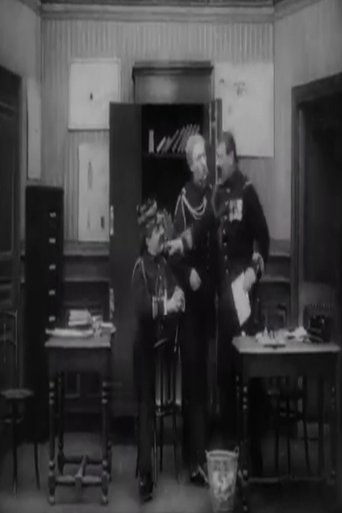
In this interesting picture we are given a vivid idea of the principal incidents connected with the Dreyfus case, which caused such a stir in military circles in the year of 1894. Alfred Dreyfus, an officer on the general staff, was charged with selling secrets to a foreign power. He was tried and judged guilty on flimsy evidence, and sentenced to imprisonment on Devil's Island, where he remained for eight years, until his influential friends, who took up his case in earnest, proved it was a plot formed by other officers, who subsequently confessed to having forged the documents.
Comedy short (only fragments remain at LoC)
A drunkard has a vision of everything turning into bottles.
What is more miserable than love-blighted life? For the heart that truly loves can never forget. Such is the sad fate of the hero of this Biograph story.
A workers meeting with folks showing the popular attires of the time.
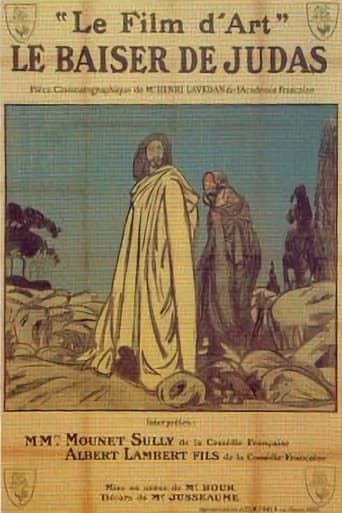
Judas betrays Jesus Christ.
Silent French short film by Georges Méliès, based on the character from Alphonse Daudet's novel of the same name. The film is presumed to be lost.
Short reportage

"Lejonjakten" is one of five films (three of which are now lost) that were made by students at the University of Lund, Sweden, as a part of their 1908 carnival. The film is a cruel parody on Danish producer Ole Olsen's "Løvejagten" (1907) which was at the time banned in Denmark (due to the fact that a lion and other animals were actually killed in the film) but shown in Sweden. In the student version two actors dressed up as a lion and a kangaroo get shot by hunters, but the hunters themselves soon get arrested by the police, an allusion to a recent conflict between the students and the local police.
Overview of ideas about the police on the occasion of an attack on the bourgeois by Apaches gangsters.
King Herod is enchanted by Salome's dance and grants her wish for the head of John the Baptist.
