
Felicia 1963
The wealthy widow of a famed humanitarian blames herself for his accidental death and becomes an alcoholic recluse.
The wealthy widow of a famed humanitarian blames herself for his accidental death and becomes an alcoholic recluse.
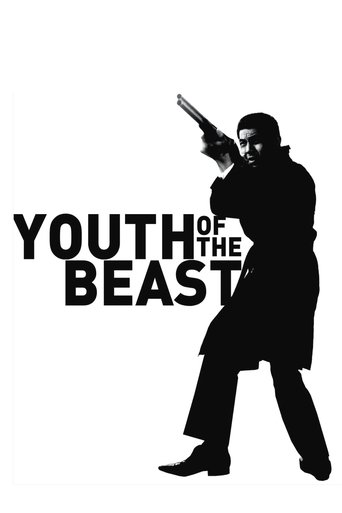
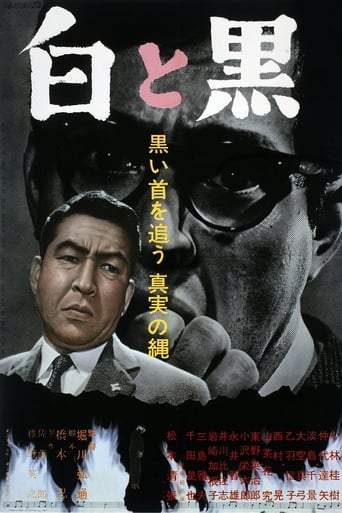
When a mysterious stranger muscles into two rival yakuza gangs, Tokyo's underworld explodes with violence.
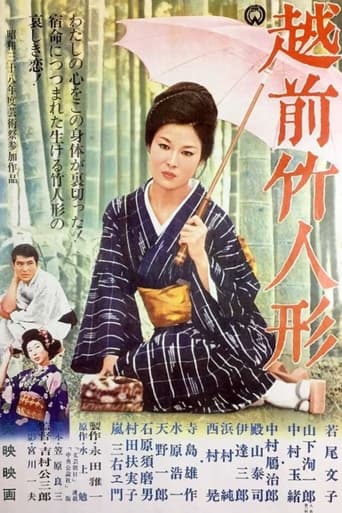
Kisuke, a young bamboo worker marries Tomoe, a geisha who was once involved with Kisuke's late father.
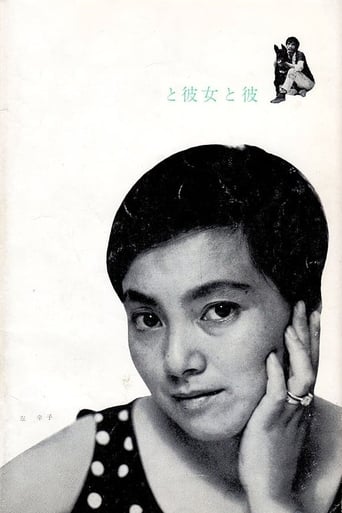
As her husband Eiichi becomes more entangled in his life as businessman, Naoko looks for ways to expand her own life even as her husband's life shrinks in scope and intimacy. She finds new interests, new love, and a greater sense of her place in the world.
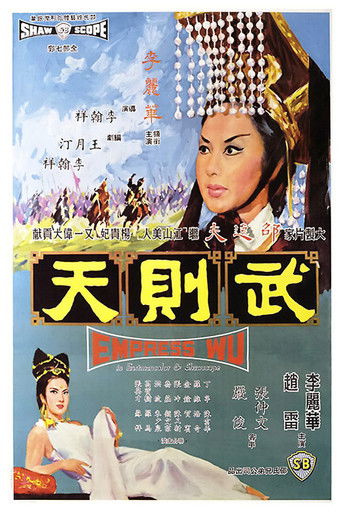
The renowned Li Li Hua plays Wu Ze Tian, the most famous woman in China's four thousand year history.

“The Magic Beam” is a film essay woven together from newsreels and documentary material from different decades, fragments of hundreds of non-fiction and fiction Soviet films of the 1910s-1960s.
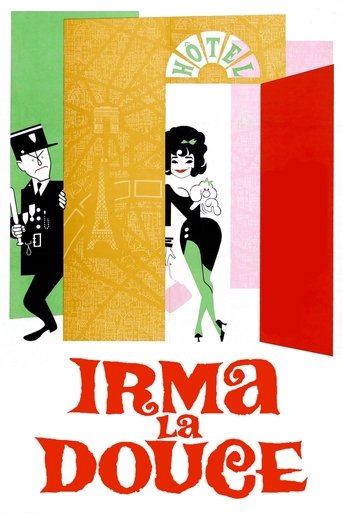
When a recently fired policeman falls in love with a French prostitute, he doesn't want her to be with other men, so he creates an alter-ego in order to become her only customer.

Someone has been impersonating the Soul Snatching Banner in order to commit crimes. But someone else may have been impersonating him to do good deeds! And who was the skeleton in the cave, wearing the Soul Snatching Banner's clothing? As martial artists gather to a mountain sword meet to see who is the best of them all, fathers fight against sons and clan leaders fight against tradition and someone intends to make sure no one leaves the mountain alive!
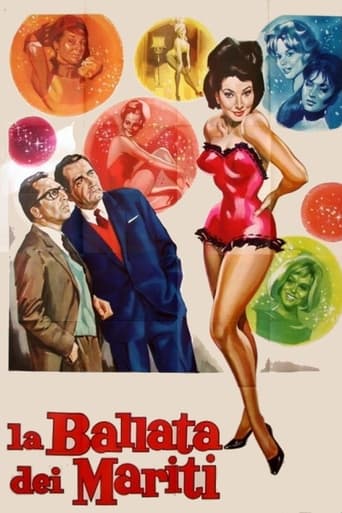
Giulio and Armando, both married, attempt an escape from their respective married lives, invent a secret mission and leaves for the south.
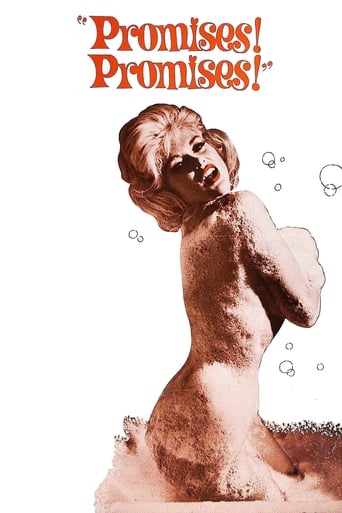
After a drunken spree on a cruise ship, two women discover that they're pregnant, and set out to find who the fathers are.
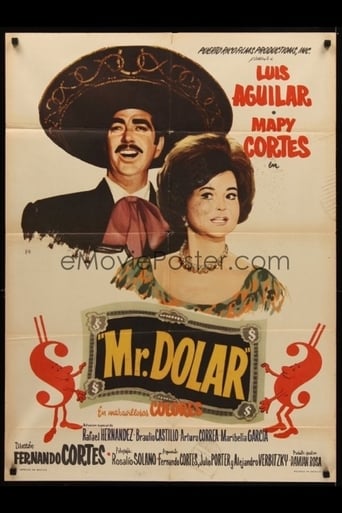
The film, which is an ode to Rafael Hernández's song "Lamento borincano", is a social commentary of the political and social policies of the 40's and 50's which led to the abandonment of what was seen by many as the "pure", "virtuous" life of the finca (farm) for the "corrupting" influence of urban centers like San Juan and New York City.
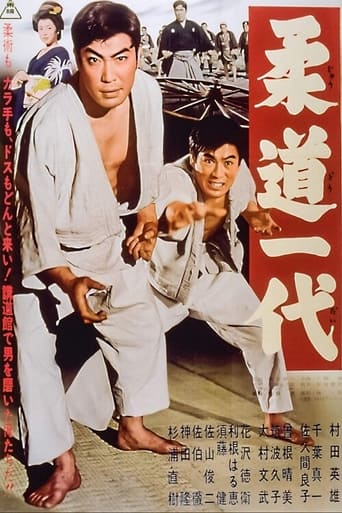
Sonny Chiba's first martial arts film, a partially fictionalized judo biopic based on prominent judoka Shiro Saigo (Chiba), the second student of judo founder Jigoro Kano (Naoki Sugiura). Akira Kurosawa’s Sanshiro Sugata is based on the same character and shares some scenes, but Judo for Life focuses more on the martial arts philosophy and training, including scenes depicting how the protagonist learned his famous cat-like landing, coined the term judo, and trained with Tsunejiro Tomita (Hideo Murata). There’s also a slight yakuza film influence. The port street ambush scene is found in both films, but in Judo for Life it’s not Kano but a travelling yakuza that jumps out of the rickshaw. Entertaining and beautifully old fashioned, one does however with there were more shades of gray between good and evil, and a stronger ninkyo-like moral / honour conflict.
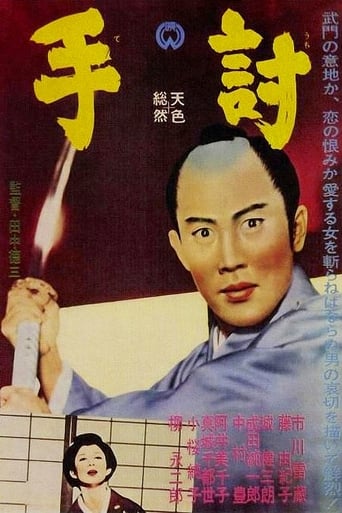
The shogun's vassal Harima Aoyama and a chamber maid are in love with each other, but they cannot be together due to a difference of their status. Soon, an offer of marriage is brought to Harima. Trying to test his love, Okiku breaks one of the plates of the family treasure of the Aoyama family, but Harima doesn't notice. However, someone surrounding her witnesses the moment Okiku breaks the plate on purpose.
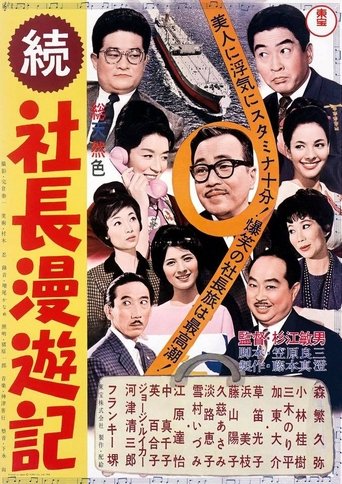
While on a business trip to Kyushu, a paint company president competes with a rival firm for a key overseas client, only to face setbacks both in work and in the personal affairs of his team.
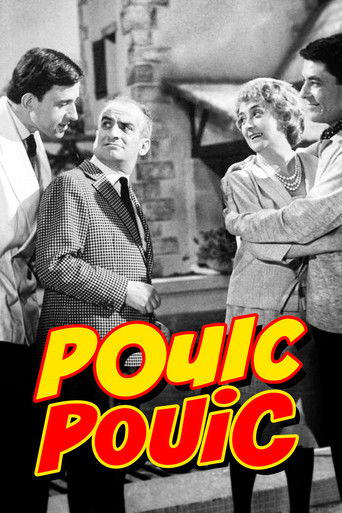
Léonard Monestier owns a large fortune, alas his wife Cynthia made a bad investment in a worthless oil concession. Far from letting this get him down, Léonard decides to find a sucker to buy this concession from him. Right on cue appears Antoine Brévin, a befuddled billionaire who is very interested in Léonard's beautiful daughter Patricia and would do anything to win her hand...
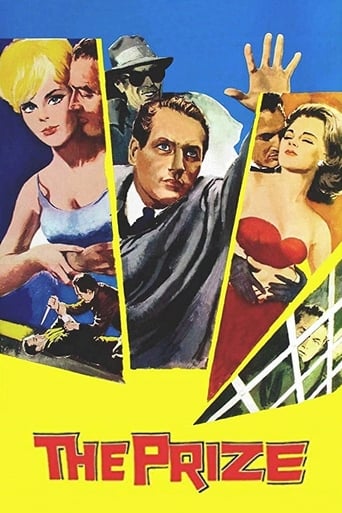
A group of Nobel laureates descends on Stockholm to accept their awards. Among them is American novelist Andrew Craig, a former literary luminary now writing pulp detective stories to earn a living. Craig, who is infamous for his drinking and womanizing, formulates a wild theory that physics prize winner Dr. Max Stratman has been replaced by an impostor, embroiling Craig and his chaperone in a Cold War kidnapping plot.
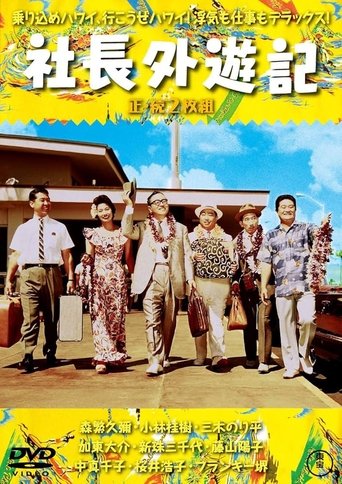
Executives from a Japanese department store travel to Hawaii to acquire land for expansion but become entangled in romantic distractions and miscommunication. By the time they act, the property is lost to a rival, forcing an abrupt return to Tokyo and uncertain outcomes.
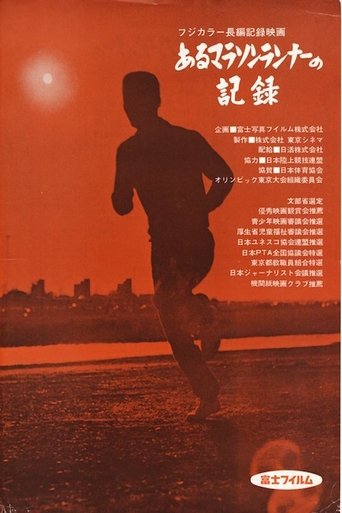
This was a sponsored documentary film by director Kazuo Kuroki of Japan. This highly artistic film focused entirely on Japanese marathon runner Kenji Kimihara. Kimihara finished eighth in the 1964 Olympic marathon with a time of 2:19:49. He had previously won the Japanese trials in 2:17:11 on April 12th of that year. He competed in a total of three Olympic marathons in all (finishing 2nd in 1968, and 5th in 1972) and he won 9 of 18 marathons prior to the Mexico City Games, including the Boston Marathon in 1966. Kimihara’s personal best was 2:13:25.

A Film By Shiro Toyoda
Telescope is a Canadian documentary series which aired on CBC Television between 1963 and 1973. The series was hosted by Fletcher Markle, which profiled notable Canadian people from celebrities to the unknown, who made a difference. Starting in September 1966, Telescope was the first regular colour broadcast in Canada. It's producer was Sam Levene. In 2008, CBC offered 10 episodes of Telescope on their Digital Archives website. The episodes are from the 1970-1971 season, and feature new host Ken Kavanagh. Among those profiled were game show host Monty Hall, publisher Mel Hurtig, journalist Pat Carney, actor John Vernon, author Farley Mowat, amusement park impresario Patty Conklin, and underwater explorer Joe MacInnis. A 1970 episode featured actor Donald Sutherland including early footage of his son Kiefer. Mentalist Uri Geller followed a week later by Ray Hyman and Jerry Andrus who explained and duplicated Geller's "paranormal" feats.
The Richard Boone Show is a short-lived, award-winning anthology television series. It aired on NBC during the 1963-64 season.
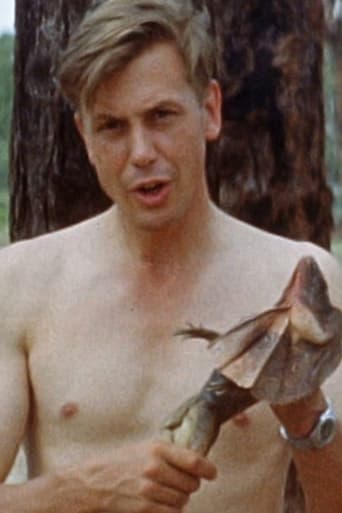
Long-running travel programme
The New Phil Silvers Show is an American situation comedy starring comedian Phil Silvers which aired thirty episodes on CBS from September 28, 1963, to April 25, 1964, under the sponsorship of General Foods.

The Forest Rangers was a Canadian television series that ran from 1963 to 1965. It was a co-production between CBC Television and ITC Entertainment and was Canada's first television show produced in colour. Executive producer Maxine Samuels founded the show. The series ran for three seasons, a total of 104 30-minute colour episodes. Early episodes of the series were broadcast in serialized form as part of a CBC children's series entitled Razzle Dazzle, hosted by Alan Hamel and Michelle Finney. This was the first appearance in a major series by Gordon Pinsent. He left the series in 1965 to star in Quentin Durgens, M.P. In June 2004, there was a reunion for ex-cast and fans just south of Kleinburg, where the show was originally filmed. Six of the ex-junior rangers appeared and Peter Tully flew in from his home in Ireland. Another reunion occurred June 15, 2013 at the actual studios where the show was filmed. This time nine junior rangers and Gordon Pinsent were in attendance. The show's first season was released on DVD by Imavision in early 2007.
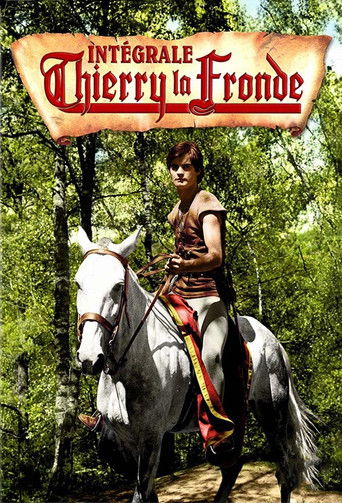
Thierry la Fronde was a French television series that aired in 1963–66 on the television station, ORTF original script by Jean-Claude Deret. Dubbed into English, it was shown internationally in the 1960s, including in Canada, where it was referred to under the original name, and also as The King's Outlaw. It was shown as well in Poland as Thierry Śmiałek. On ABC in Australia, it was called The King's Outlaw. In the Netherlands, 32 of the 52 episodes were shown in 1967 as Thierry de Slingeraar, as a Netherlands Television Service programme.
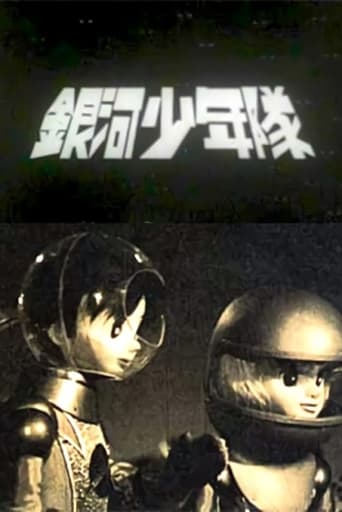
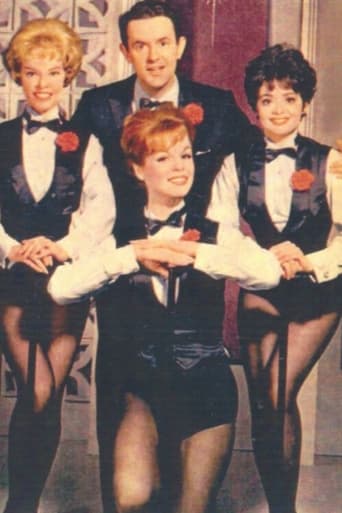
Harry's Girls is an American situation comedy which appeared on NBC from September 13, 1963, to January 3, 1964. The series stars Larry Blyden portraying Henry Burns, the leader of a vaudeville troupe consisting of three young women. The co-stars were Dawn Nickerson as Lois, Susan Silo as Rusty, and Diahn Williams as Terry.
Love Story is a 60-minute British anthology television series produced by Associated Television (ATV). A total of 128 episodes aired on ITV from 1963 to 1974. Its guest stars included Vanessa Redgrave, Lynn Redgrave, Stephanie Beacham, James Bolam, Dudley Moore, Wendy Hiller, Malcolm McDowell, Patrick Macnee, John Hurt, Geoffrey Palmer, Judy Cornwell, Leo McKern, David Hemmings, Judy Parfitt, Anna Massey, Felicity Kendal, Edward Fox, Sam Wanamaker, Ian McShane, Michael Kitchen, George Maharis and Margaret Whiting.
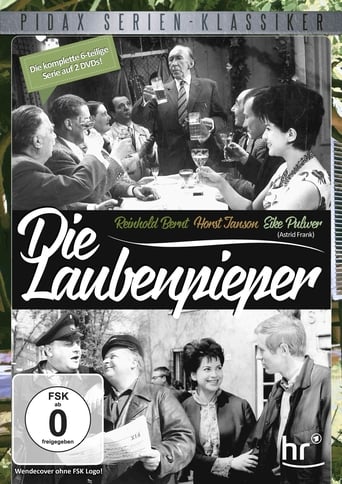
Each 30 minute show concentrated on a Hollywood genre, film or legendary star.
Taxi! is a BBC television comedy-drama series transmitted in 1963 and 1964. Created by Ted Willis, who had developed Dixon of Dock Green, he was well aware of taxicab drivers inclination to provide stories, and intended twelve individual plays for what became the first series. The series stars Sid James as Cab firm owner and driver Sid Stone. Similar to his role in the near contemporary film Carry On Cabby, this was more a drama with humour, Jack Rosenthal scripted a few episodes and Bill Owen appeared as the Cab firm's co-owner Fred Cudell with Ray Brooks as driver Terry Mills.
While on holiday, the Walker children spot an island. Borrowing a boat, they meet pirates seeking their uncle's trunk. After adventures with storms and cakes, the children and pirates learn friendship.

