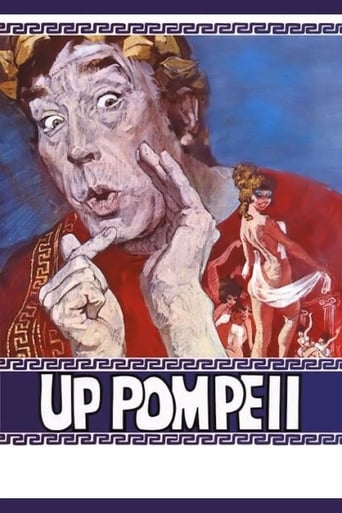
Up Pompeii

Up Pompeii 1971

5.95

A funny thing happens to Lurcio on the way to the rent-a-vestal-virgin market stall. A mysterious scroll falls into his hands, listing the names of all the conspirators plotting to murder Emperor Nero. And when the upstart slave is elected to infiltrate the ringleader's den, the comical ups-and-downs lead to total uproar.

1971

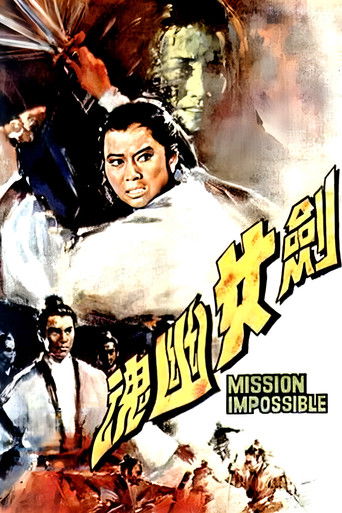
Mission Impossible

Mission Impossible 1971

3.00

The daughter of a slain, respected hero embarks on a desperate, heroic odyssey to take the highly coveted Golden Dragon Sword, a weapon of immense spiritual power, back to the Capitol to keep it safe from those who would abuse its might.

1971

Kinkón

Kinkón 1971

4.44

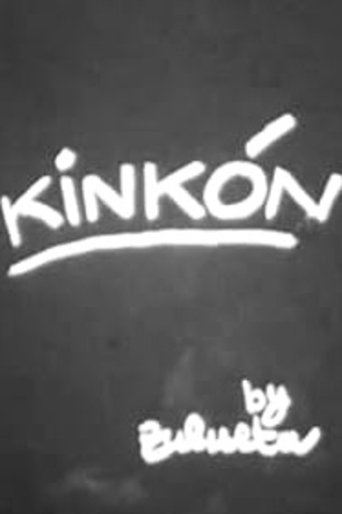
Kinkón (1971), a silent adaptation of Merian C. Cooper and Ernest B. Schoedsack’s 1933 classic, King Kong. Zulueta re-filmed a television broadcast of the original, and through creative subtraction and manipulation of camera speed, condensed the original’s feature length to an intensified seven minutes. The cathode-ray flicker and flattening that results from the re-filming defamiliarises the original, but its classical continuity mode of address continues to operate on the viewer, and the increase in velocity makes mesmerisingly urgent the dramatic plot of the original. —Senses of Cinema

1971

The Role of My Family in the World Revolution

The Role of My Family in the World Revolution 1971

5.80

An absurd depiction of the communist revolution in Yugoslavia after World War II, the film primarily follows a group of young partisans who are placed in the home of a pre-war bourgeois family. The family then tries to adapt to the new ideology and values, often leading to various absurd situations.

1971

Gushing Prayer

Gushing Prayer 1971

5.40

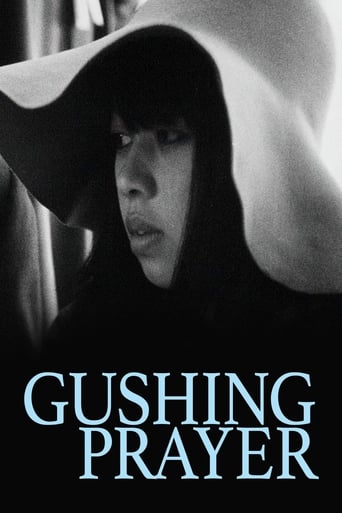
After 15-year-old Yasuko has her first orgasm with a teacher, she and her disillusioned group of friends decide to turn to prostitution to gain a better understanding of what emotions truly are.

1971

Montserrat

Montserrat 1971

1

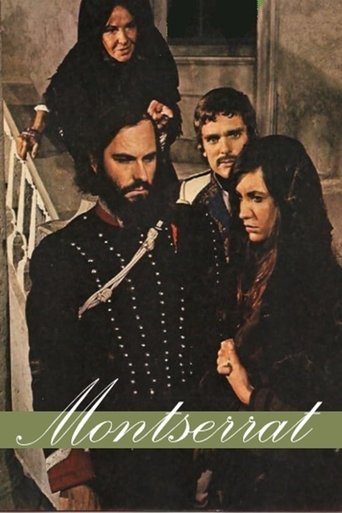
The story is set during the South American Wars of Independence. Simón Bolivar, the liberator, has escaped from Spanish custody with the aid of an idealistic Spanish officer, Captain Montserrat. The Spanish commander, Colonel Izquierdo ('left' in Spanish), threatens Montserrat with torture to find out where Bolivar can be recaptured.

1971

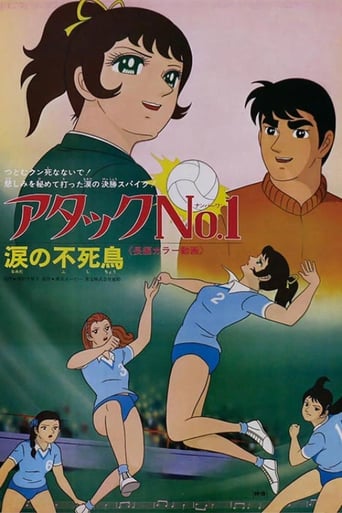
Attack No. 1 - Tearful Immortal Bird

Attack No. 1 - Tearful Immortal Bird 1971

4.00

Kozue, who was in the first year of Fujimi Gakuen High School, and Tsutomu, who succeeded the fruit and vegetable shop of the family business, were close friends who encouraged each other. At that time, Kozue's chest was struck by the trinity attack of the three Yagisawa sisters. Teradoin High School, where these three sisters are, won the Inter-High for the third consecutive year. There is no glory for Kozue unless this attack is defeated. Then, Kozue's bloody practice was repeated, and the final match with the temple temple high school that he headed for. However, during that time, Tsutomu received the news that he was in critical condition due to a traffic accident. With sadness in his chest, Kozue challenged a new technique, double attack, as much as he could.
1971

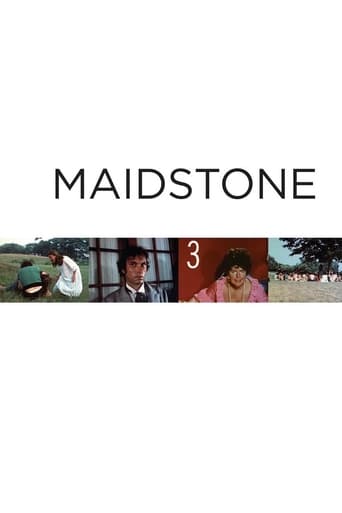
Maidstone

Maidstone 1971

3.90

Over a booze-fueled, increasingly hectic five-day shoot in East Hampton, Norman Mailer and his cast and crew spontaneously unloaded onto film the lurid and loony chronicle of U.S. presidential candidate and filmmaker Norman T. Kingsley debating and attacking his hangers-on and enemies. This gonzo narrative, “an inkblot test of Mailer’s own subconscious” (Time), becomes something like a documentary on its own making when costar Rip Torn breaks the fourth wall in one of cinema’s most alarming on-screen outbursts.

1971

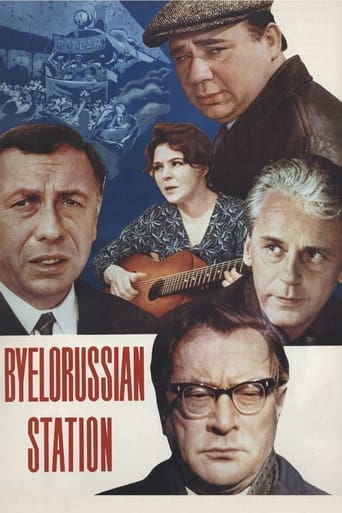
Byelorussian Station

Byelorussian Station 1971

6.60

"Belorussian Station" is a Soviet drama directed by Andrei Smirnov, completed in 1969 and released in 1971 after censorship delays due to its critical portrayal of post-war Soviet society and veterans' challenges. The film revolves around four former soldiers who reunite 25 years after World War II. They come together to mourn the death of a friend and reflect on their shared past and their personal struggles. "Belorussian Station" poignantly explores themes of friendship, memory, and the enduring impact of war on ordinary people's lives, eventually gaining significant acclaim for its heartfelt narrative and strong performances.

1971

Nightfall

Nightfall 1971

1.00

Shot in his garage-studio, the camera records Ader painstakingly hoisting a large brick over his shoulder. His figure is harshly lit by two tangles of light bulbs. He drops the brick, crushing one strand of lights. He again lifts the brick, allowing tension to accrue. The climax inevitable—the brick falls and crushes the second set of lights. Here the film abruptly ends, all illumination extinguished.

1971

Reel 1

Reel 1 1971

1

In Reel 1, Wegman creates deadpan one-liners and ironic sight gags from materials that include his own body, everyday objects such as balls and dolls, and his dog Man Ray. The humor derives from the wild incongruity of expected and actual behavior or events. Inanimate objects are personified; extended actions lead to absurd anticlimaxes. In Stomach Song, Wegman sits in a chair, his bare torso facing the camera. As he gruffly hums a song, his torso becomes a face, with nipples as eyes, navel as mouth. Raising his arms, the "facial" features change gender and he hums in falsetto. Other segments find him blowing a feather from his nose and creating pendulous female "breasts" by folding his elbows to his body. The ever-obliging Man Ray drags a microphone in his mouth, laps up milk that Wegman has drooled onto the floor, and, in an oddly poetic exercise, runs through a darkened room with a flashlight in his mouth.

1971

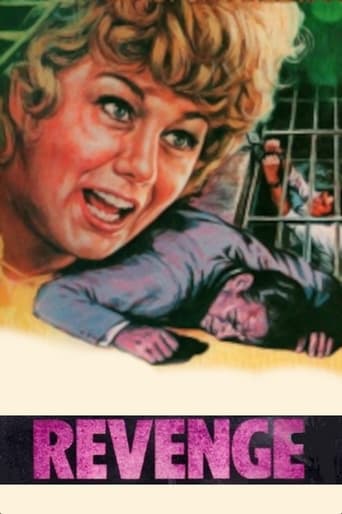
Revenge!

Revenge! 1971

6.40

A deranged mother avenges herself on the man she thinks seduced her daughter by imprisoning him in a cage in her basement.

1971

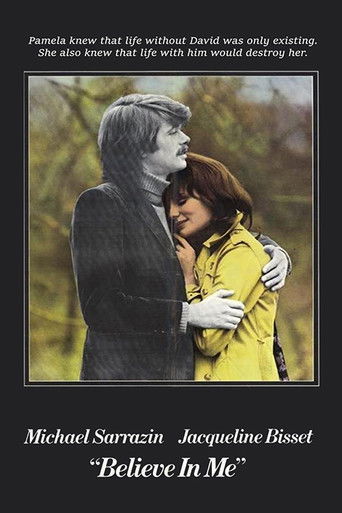
Believe in Me

Believe in Me 1971

4.00

Remy is a medical student who has a flair for making his patients comfortable. His genuine concern for the patients in his charge marks him as a hot prospect in his internship program. Pamela works at a children's book publishing company. The two meet via Pamela's brother, who is also Remy's good friend. They fall in love and get an apartment in the East Village of New York. Soon after, the couple begins to indulge in speed and barbiturates. They become heavily addicted. Remy is thrown out of medical school and Pamela quits her job. Remy soon finds himself in debt with the local dealer, Stutter, who introduces his customer to heroin as a revenge for his late bill. Pamela faces the prospect of getting sober at her brother's clinic, but must leave behind a destitute Remy in order to do it.

1971

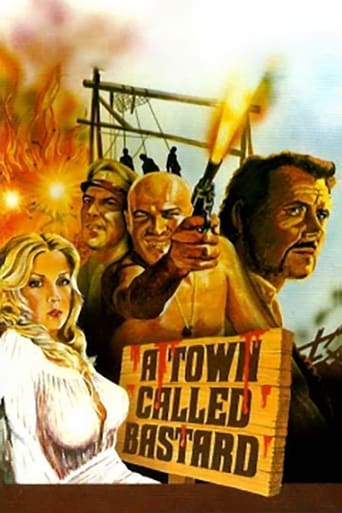
A Town Called Bastard

A Town Called Bastard 1971

5.00

A group of Mexican revolutionaries murders a town priest and a number of his christian followers. Ten years later, a widow arrives in town intent to take revenge from her husband's killers.

1971

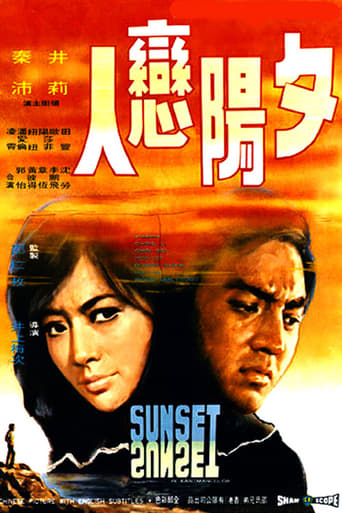
Sunset

Sunset 1971

1

Teenage heart throbs Ching Li and Paul Chin Pei come across like Annette Funicello and Frankie Avalon in the musical Sunset, a musical romp that plays similar to one of Hollywood's famous "Beach Party" movies. A car load of girls meets a car load of boys and Ching and Paul ultimately fall in love. Yet the film takes an acrid twist and turns out to be more like a Shakespearian tragedy than a beach-babe party.

1971

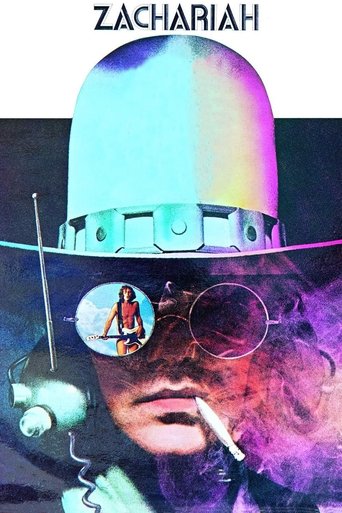
Zachariah

Zachariah 1971

5.10

A blacksmith and an amateur gunslinger embark on journey through the west together but soon separate and have surreal experiences of their own.

1971

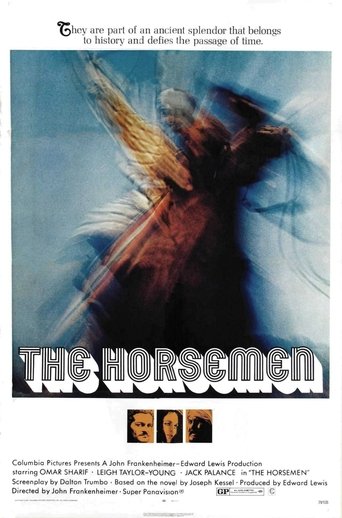
The Horsemen

The Horsemen 1971

6.30

In Afghanistan, the ruthless sport of buzkashi is a game of great pride. When Uraz breaks his leg and loses a spirited match, he brings shame to his village, especially his father. After losing his leg below the knee, Uraz, to regain his honor, must learn to ride again and win with a special, one-of-a-kind horse.

1971