
Luscious Brite 1982
An on-target parody of an all-too-familiar television commercial.
An on-target parody of an all-too-familiar television commercial.
Experimental short film
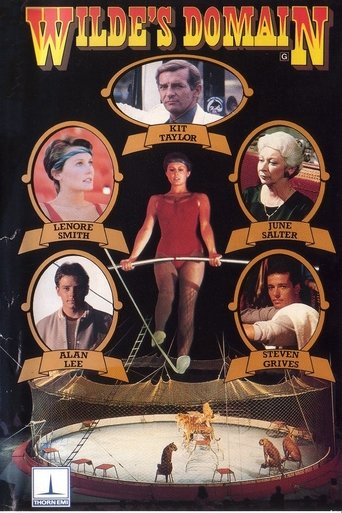
The epic saga of a great Australian entertainment family. Their domain stretches from the excitement of the circus, the thrill of the theatre and the dangers of the wild animal parks to the politics of the boardroom jungle.

1982 DCI World Championships held in Montreal, Quebec on August 22, 1982 1. Blue Devils (1st Place 95.25) 2. Santa Clara Vanguard (2nd Place 93.55) 3. Garfield Cadets (3rd Place 92.25) 4. Phantom Regiment (4th Place 92.15) 5. Madison Scouts (5th Place-90.75) 6. 27th Lancers (6th Place 88.65) 7. Crossmen (7th Place 88.05) 8. Bridgemen (8th Place 86.15) 9. Freelancers (9th Place 85.80) 10. Sky Ryders (10th Place 83.10) 11. Cavaliers (11th Place 81.95) 12. Spirit of Atlanta (12th Place 81.65)
A short feature film based on the interpretation of the song "Ta nasza młodość" ("Our Youth"). The camera focuses on the performers—old women and men. All of them are decorated with numerous communist-era medals...
4 video-tapes VHS from the eponymous performance, sound.
In 1982, director Vasyl Viter shot the first feature film in Soviet cinema history on videotape. It was a film based on Pavlo Zagrebelny's essay "Clarinets of Tenderness." Pavlo Tychyna was played by the young popular theater director Valentin Kozmenko-Delinde. Pavlo Tychyna's mother was played by Nina Matvienko. It was her first role in a feature film. She also performed a romance in the film based on Tychyna's words, "That Garden, and Night, and Stars..." The music for the romance and for the film was written by the brilliant Ukrainian composer Oleg Kiva, and later this music became the basis for his amazing cantata, which was performed by the Kyiv Camerata orchestra together with Nina Matvienko.
With talk of Soviet Cosmonauts just then in space, Kenzhe, the youngest son of the family, does not want to be part of the ‘train’ of children playing at going on the long journey to Moscow and instead tells his mother he is going to be a cosmonaut.

THE WACKIEST GANG OF SOLDERS ENGAGE IN AN SUCCESSFULLY DESTINED TO END ALL MILITARY ENCOUNTERS IN THIS ACTION-COMEDY FILM.
The camera rides a turbulent wave across the inches and miles of an ancient lake that is Death Valley. By contrasting this vast valley's natural beauty with the monotonous sounds of shower water, the film makes a political statement - badwater next right.

"A fun-filled story for young children explaining how the shape of fish help them to survive and adapt to their surroundings in the ocean. Children will laugh as they learn, watching the zany duo of "Mr. & Mrs. Fish" fool a hungry, bumbling, big fish. They are successful thanks to the help of a jolly pirate, a wizard, a balloon man, and an Italian chef. Live footage of sea creatures, a lot of bad jokes, and wonderful musical score by recording artists "Schooner Fare" add to the merriment."
A vampire is frightened by the reality of urban violence.
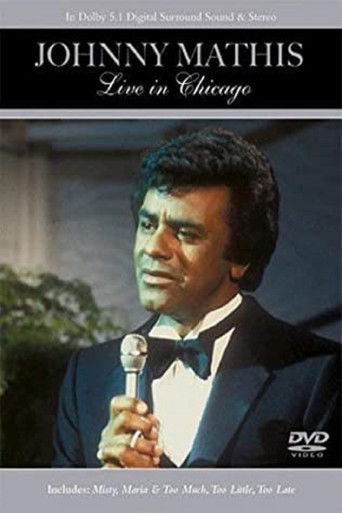
Johnny Mathis, byname of John Royce Mathis, (born September 30, 1935, Gilmer, Texas, U.S.), American pop singer who achieved wide and enduring popularity as an angelic-voiced crooner of romantic ballads. He was perhaps best known for his affecting rendition of the Erroll Garner composition “Misty” (1959). Mathis grew up in a large working-class family in San Francisco. He developed an appreciation of music from his father, a former vaudeville performer, and, as a child, he sang regularly in church and at school events. From age 13 he also took vocal lessons, which provided him with a classical foundation for his burgeoning talent.


Short film by Ugo Nespolo.
“A theory discourse among three participants, enacted in silhouette.” –Tony Conrad
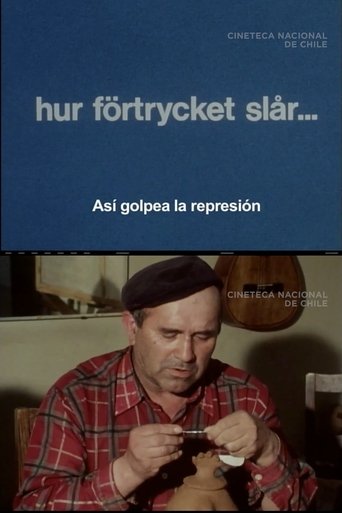
The film documents the activities of two human-rights organisations during the military dictatorship in Chile — PIDEE (Protección de la Infancia Dañada por el Estado de Emergencia) and FASIC (Fundación de Ayuda Social de las Iglesias Cristianas).

Shot in Saskatchewan, And Now This... transforms landscape through technology, evoking the pristine lines of wheat fields and abandoned farm buildings.

Tanaka reflects on philosophy, religion and morality.

