
Mădălina, fată dragă 2014
Madleen is a young girl forced to beg on the streets, while carrying a baby. From the moment she realizes the baby has died in her arms, she finds herself in a no-escape situation.
Madleen is a young girl forced to beg on the streets, while carrying a baby. From the moment she realizes the baby has died in her arms, she finds herself in a no-escape situation.
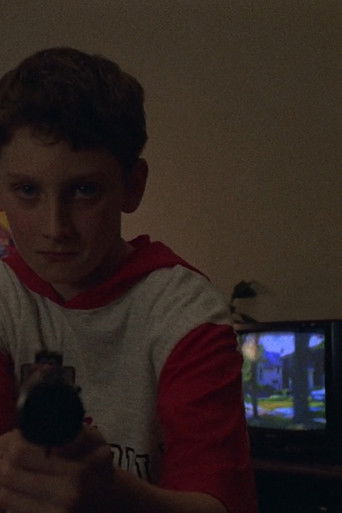
The father, in the USA, films his life on tapes for his family in Romania to watch. The mother and the child, in Romania, watch the tapes and film themselves for the father.
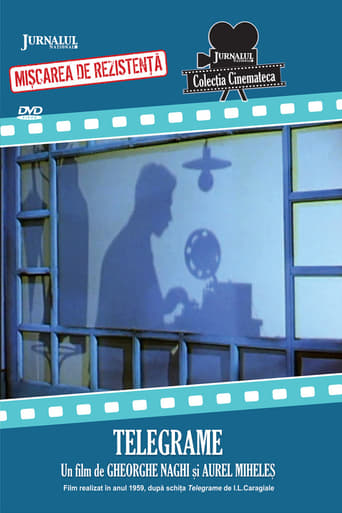
Geared more for the home crowd with a good knowledge of their own history, this Romanian political comedy takes place at the turn of the 20th century, when two opposing factions are going at each other tooth and nail to win an election. One candidate is a staunch if not deluded conservative and the other is a radical liberal. Anticipating modern election campaigns by a good half a century, the two candidates decide that the best way to win is to sling as much mud as possible. Lacking the Internet and fifteen-second TV spots, they do the best they can -- they send each other virulent telegrams denouncing each other's personal failings.
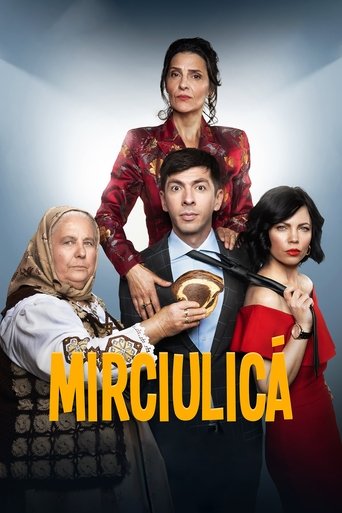
Mircea, a 30-year-old man from a small Transylvanian town fails the judicial admission exam in Bucharest. He has no choice but to return home and live with his parents. He is forced to get a job in a waste collector company owned by a rich local politician. But things get complicated when Mircea starts working for the boss's wife.
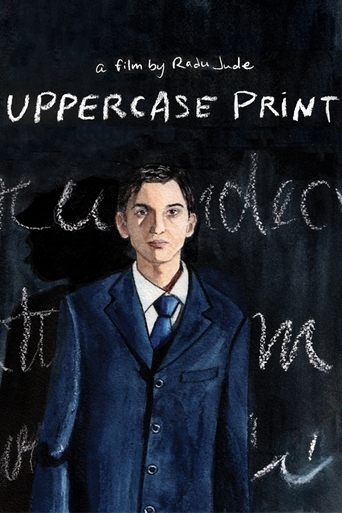
In 1981, chalk slogans written in uppercase letters started appearing in public spaces in the Romanian city of Botoşani. They demanded freedom, alluded to the democratic developments taking place in Romania’s socialist sister countries or simply called for improvements in the food supply. Mugur Călinescu was behind them, who was still at school at the time and whose case is documented in the files of the Romanian secret police. Theatre director Gianina Cărbunariu created a documentary play based on this material.
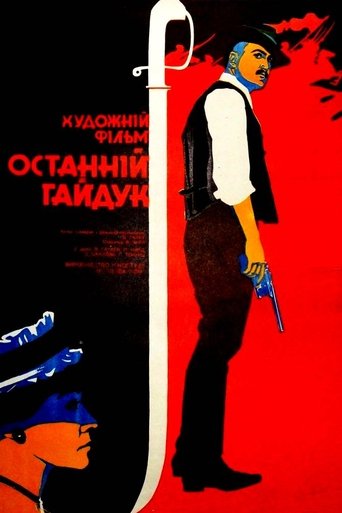
About the romantic youth of the legendary commander, hero of the Civil War G.I.Kotovsky (1881-1925). An inexperienced fighter against landlord arbitrariness becomes a professional revolutionary under the influence of revolutionary events in Russia.
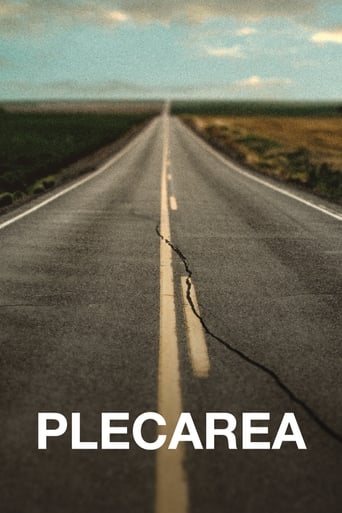
"Plecarea" is a story about priorities, as perceived from the perspective of a father whose professional duties tend to take over his family time.

At Radu Maligan's 94th anniversary the family members and the former colleagues of the old man come to his birthday party. Everything gets complicated when half of the guests try to convince Radu to confess his sins to a priest, while the others think that no one should be forced to do something beyond their will.
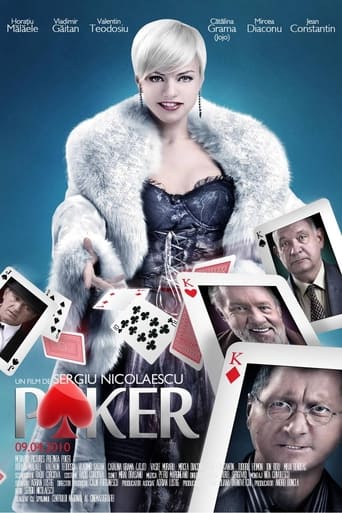
In the history of Romanian cinema, Sergiu Nicolaescu's name stands for "prolific, highly commercial and professional". At the age of 80, the director launched his latest production, which is also his second comedy in a long row of action and historic films. "Poker" is a cinema adaptation of Adrian Lustig's theatre play with the same name, and focuses on four male friends, representatives for the social canvas: a doctor without a moral conscience, an unscrupulous politician, a chief of the local mafia, and a businessman who made a fortune in America. Made by MediaPro Pictures, 'Poker' looks at immorality and intrigues in politics, hinting at the fact that contemporary Romania is a day to day jungle where strings are pulled by those in power, so everything turns into a poker round, where those who have the right aces in their sleeve can win.
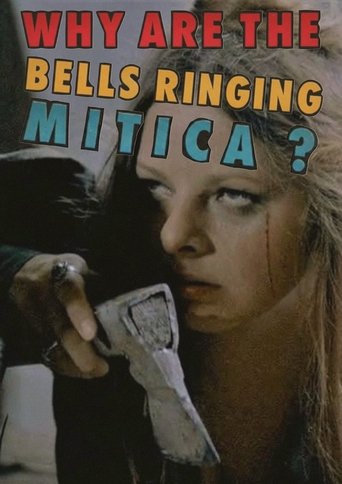
Based on a theatrical text by Romanian writer Ion Luca Caragiale (1852-1912), who was a bitter and funny witness of the turn-of-the-20th-century Romanian bourgeois mores, Carnival Scenes manages to preserve and further enhance the slightly hysteric atmosphere of his plays. Pintilie creates a strange combination of carnival scenes which is brought to the screen as a burlesque, fast-paced, screwball comedy with a meditative undertone. This film was banned in Romania for a decade until the death of Ceausescu in 1989 and was only released after the 1989 revolution.
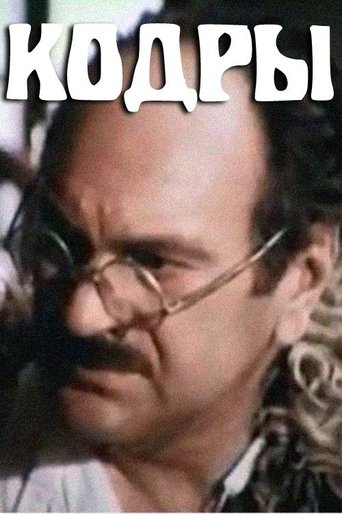
Panoramic life of a Moldovan village in the second half of the twentieth century.
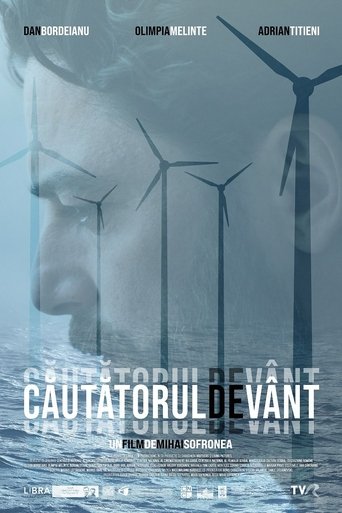
Radu lives a solitary, sterile life. A promising job interview seems to give him a chance of breaking free from depression, but after some medical tests required by the company, he finds out that he only has a few more months left to live.
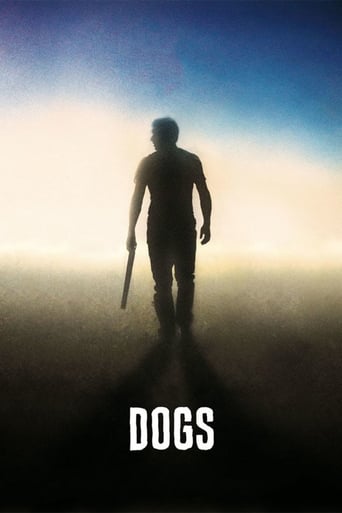
Roman returns to the land near the Ukrainian border he has just inherited from his grandfather. Fully decided to sell this vast but desolate property, he is warned by the local cop that his grandfather was a local crime lord and his men will not let go of the land - and their smuggling business - without a fight.
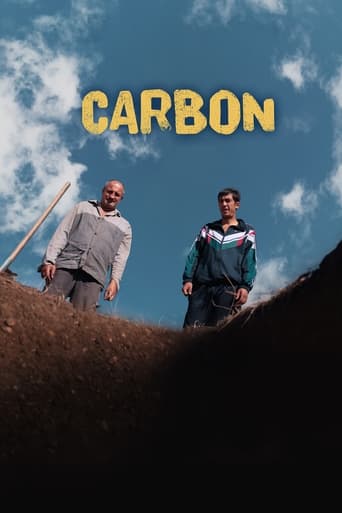
Moldova in the early 90s: Dima, a tractor driver, wants to be enrolled in the military troops to take part in the local war on the Transnistrian border. Vasea, an Afghan war veteran, joins him. While on their way to the front, they find a carbonized body. The authorities ignore them and won't help them to identify the body. Dima and Vasea decide to bury the corpse according to the proper Christian rituals, but not before setting out, together with the body, on an absurd journey to discover his identity.
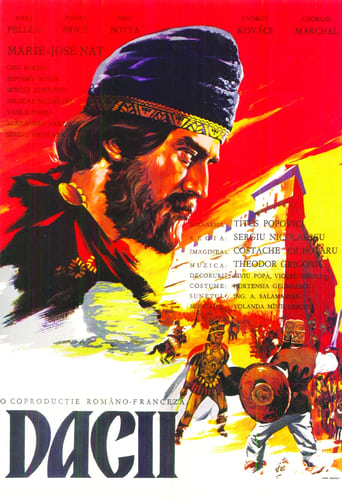
The great King of Dacia, Decebal (Decebalus), is disposed to make the ultimate sacrifice in order to keep the integrity of his people. His own son, Cotyso, is given to the god Zamolxis to the dismay of the King and his daughter Meda. Septimius Severus, a young Roman devoted to his adopted country, must make the choice between his blood origins and the culture he was introduced to.
Described by the director as “an adventure,” and will be “quite different to what I did before,” although the plot remains under wraps.
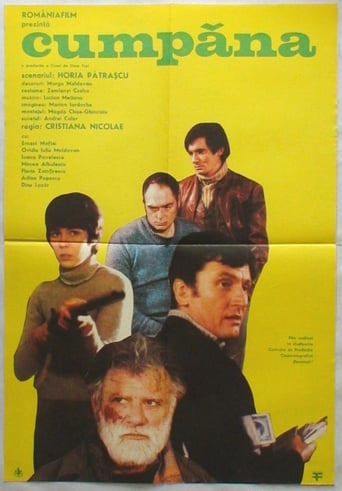
On New Years Eve, in an isolated mountain chalet, two robbers seek refuge, together with two lost tourists.
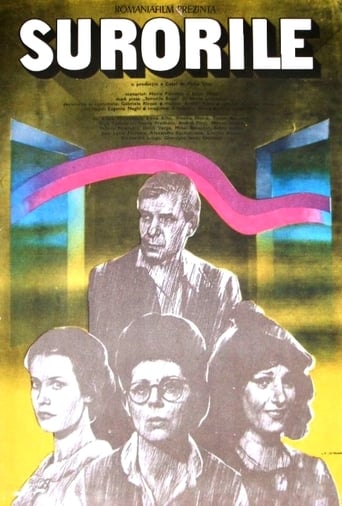
Three sisters that had a tranquil life in a town suffer dramatic life changes at the end of WW2.
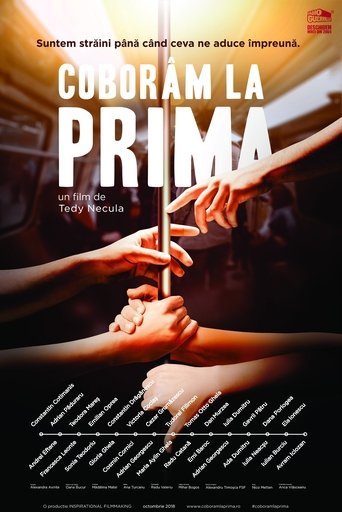
A subway train is blocked between stations on the morning after the fire in the Colectiv Club in Romania.
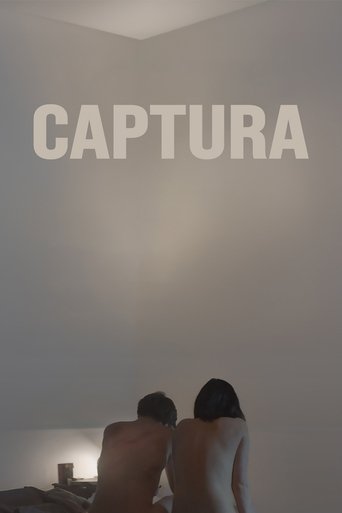
Sami is a passionate visual artist with a keen eye for the world's untold stories. Tonight, he steps away from the comfort of artistic abstraction at a vibrant party, seeking authenticity amidst the chaos of a city in upheaval. Drawn to the raw energy of street protests, Sami finds himself in a reality far beyond the scope of his camera—a reality where the lines between observer and participant blur. As he navigates the complexities of truth, power, and freedom, Sami's journey becomes an exploration of resilience and the cost of integrity in the face of injustice. The Capture invites audiences on a gripping journey through the beauty and pain of standing up for one's beliefs, challenging us to question where we draw our own lines.
