THX 1138

THX 1138 1971

6.40

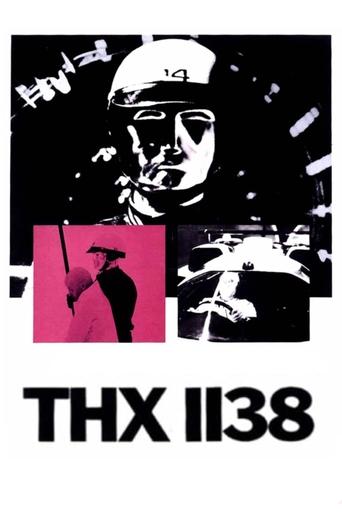
People in the future live in a totalitarian society. A technician named THX 1138 lives a mundane life between work and taking a controlled consumption of drugs that the government uses to make puppets out of people. As THX is without drugs for the first time he has feelings for a woman and they start a secret relationship.

1971

The Anderson Tapes

The Anderson Tapes 1971

6.10

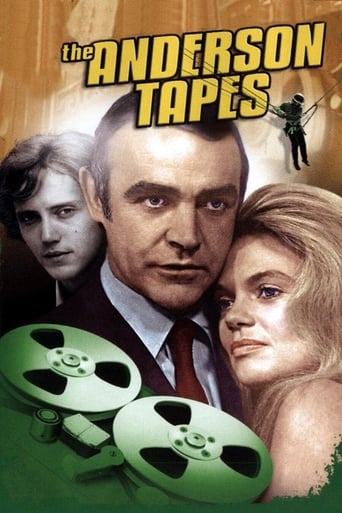
Thief Duke Anderson—just released from ten years in jail—takes up with his old girlfriend in her posh apartment block, and makes plans to rob the entire building. What he doesn't know is that his every move is being recorded on audio and video, although he is not the subject of any surveillance.

1971

Bushman

Bushman 1971

6.00

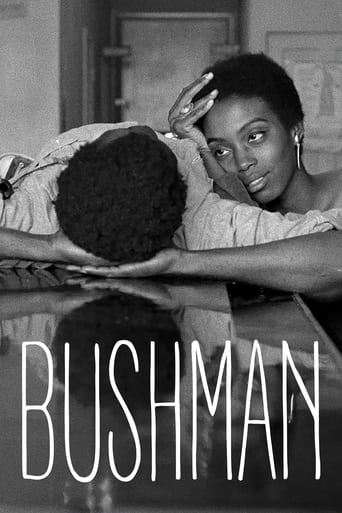
1968: Martin Luther King, Robert Kennedy, and Bobby Hutton are among the recent dead. In Nigeria, the Civil War is entering its second year with no end in sight. In San Francisco, the adventures of Gabriel, a young Nigerian reflects tribal, personal, and racial frictions during the tumultuous sixties. Truth is stranger than fiction in Bushman, a rare sort of film portrait, part document, part imagined – poetic in its approach to real events.

1971

The Battle of Okinawa

The Battle of Okinawa 1971

7.50

The Americans are swiftly closing on Okinawa, an island just south of the Japanese mainland. The Imperial command sends top generals and several army divisions to defend it at all costs. The mission quickly degenerates as vital resources and troops are diverted to other islands. After a civilian evacuation ends in tragedy most of non-combatants are forced to remain on the island. Many convert to soldier status. Tokyo sends mixed messages that squander time and resources, as when they order the defenders to build an airstrip for aircraft that never come. The truth soon becomes obvious: the high command decides that the island cannot be held and effectively abandons the Okinawan defenders. When the Americans land many troops are deployed in the wrong places. As the slaughter mounts, a suicidal attitude takes hold. Okinawa becomes a death trap, for civilian volunteers and non-combatants as well.

1971

Animal Treasure Island

Animal Treasure Island 1971

6.20

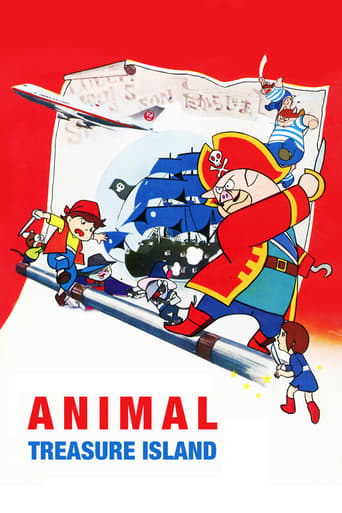
A Japanese adaption of Robert Louis Stevenson's Treasure Island, featuring animals as the majority of the cast. By chance Jim comes upon a map of Treasure Island. He leaves the port accompanied by Glan, the rat and Bub, the baby on a strange looking boat of his own make to look for the island. Pirates soon find him and adventure ensues.

1971

Pink Narcissus

Pink Narcissus 1971

6.10

An outrageous erotic poem focusing on the daydreams of a beautiful boy prostitute who, from the seclusion of his ultra-kitsch apartment, conceives a series of interlinked narcissistic fantasies populated by matadors, dancing boys, slaves, and leather-clad bikers.

1971

Le Mans

Le Mans 1971

6.80

Filmed during the annual 24-hour endurance race at Le Mans, Michael Delaney is a Porsche driver haunted by the memory of an accident at the previous year's race in which a competing driver was killed. Delaney also finds himself increasingly infatuated with the man's widow.

1971

The Anonymous Heroes

The Anonymous Heroes 1971

6.60

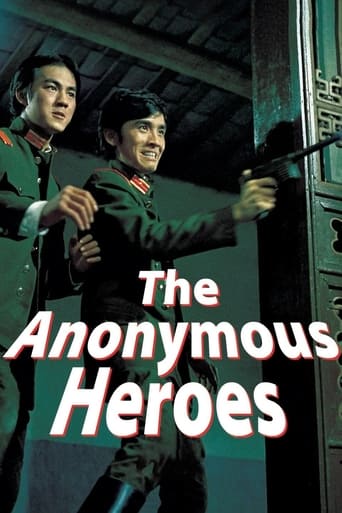
A perennial Chang Cheh favorite, Anonymous Heroes focuses on two vagabond brothers, Meng Kang and Tieh who, in the search for fame and fortune, join in a rebellion against a provincial general. Used to shaking down local vendors for food and gambling away their limited funds, they are recruited by a local rebel leader who promises them a glorious adventure. The rebels plan is to steal a huge cache of new rifles set to be delivered to the barracks of the local army. With the help of an officer's daughter, their plan starts out well, but inevitably slips toward a heroic but tragic finale.

1971

A New Leaf

A New Leaf 1971

7.30

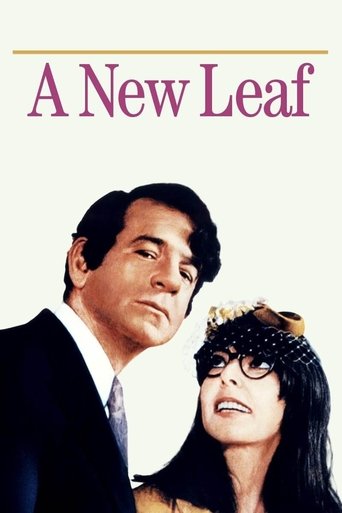
After running out of funds, Henry Graham, a carefree playboy, plots to marry and murder wealthy botanist Henrietta Lowell.

1971

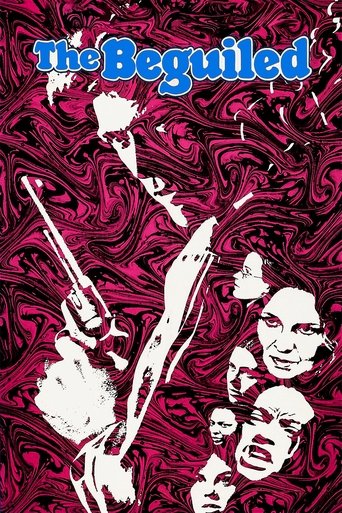
The Beguiled

The Beguiled 1971

7.00

Offbeat Civil War drama in which a wounded Yankee soldier, after finding refuge in an isolated girls' school in the South towards the end of the war, becomes the object of the young women's sexual fantasies. The soldier manipulates the situation for his own gratification, but when he refuses to completely comply with the girls' wishes, they make it very difficult for him to leave.

1971

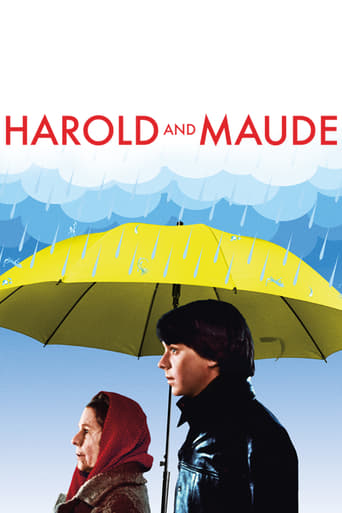
Harold and Maude

Harold and Maude 1971

7.60

A deadpan young man obsessed with death meets an eccentric septuagenarian who teaches him to live life to the fullest.

1971

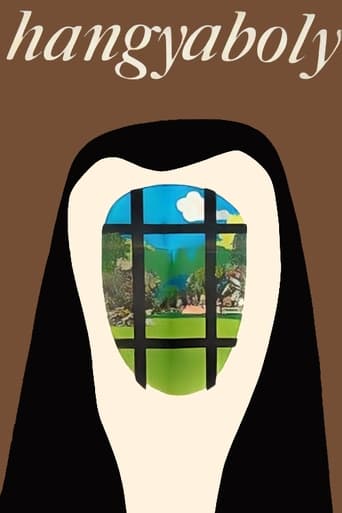
Ants' Nest

Ants' Nest 1971

6.40

The head of the nunnery is dying, and the members are divided in two groups as the election of the new head approaches. Led by Virginia, the younger nuns stand up for changing the strict religious dogmas and would like a modern school with genuine science, a bathroom to be built, and a freer spirit. Their candidate is sister Magdolna, who went to secular universities, too. The seminarists, led by Király Erzsi, also rebel against the older nuns' strict discipline and the depressed atmosphere of the institution. However, Magdolna does not want to stay involved in the fight because she is deterred by Virginia's sinful attraction towards her and the tools Virginia is using to gain victory at any price.

1971

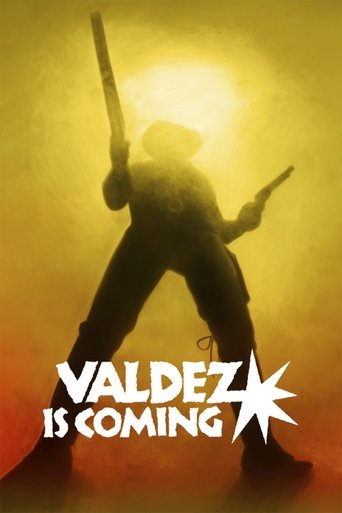
Valdez Is Coming

Valdez Is Coming 1971

6.20

Old Mexican-American sheriff Bob Valdez has always been a haven of sanity in a land of madmen when it came to defending law and order. But the weapon smuggler Frank Tanner is greedy and impulsive. When Tanner provokes a shooting that causes the death of an innocent man and Valdez asks him to financially compensate the widow, Tanner refuses to do so and severely humiliates Valdez, who will do justice and avenge his honor, no matter what it takes.

1971

Lawman

Lawman 1971

6.50

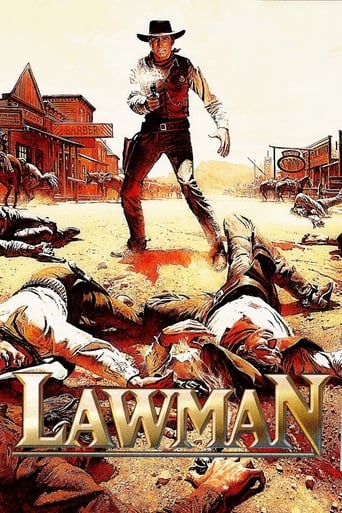
While passing through the town of Bannock, a bunch of drunken cattlemen go overboard with their celebrating and accidentally kill an old man with a stray shot. They return home to Sabbath unaware of his death. Bannock lawman Jered Maddox later arrives there to arrest everyone involved on a charge of murder. Sabbath is run by land baron Vince Bronson, a benevolent despot, who, upon hearing of the death, offers restitution for the incident.

1971

Sex Family

Sex Family 1971

3.00

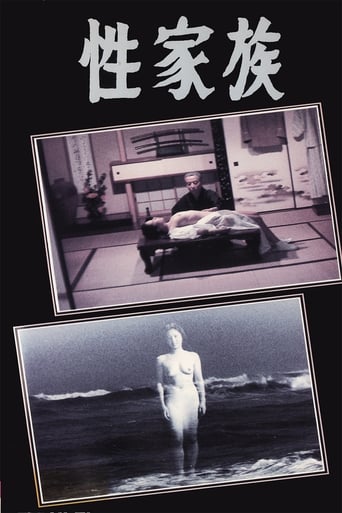
A critique of the Japanese family, seen here as militaristic, absurdly incestuous and patriarchal with the father dominating his family sexually and violently. Nihilistic destruction by the young ones seems to be the only way out.

1971

Der Kapitän

Der Kapitän 1971

2.00

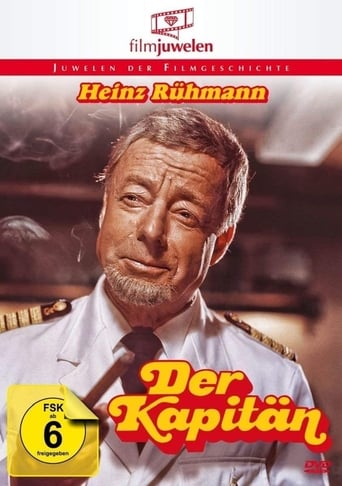
Captain Ebbs is an older, experienced seaman who has, however, only sailed on freighters. While his current old barge, the Martin Luther, has to go into the shipyard for an overhaul, the shipping company gives him command of the elegant cruise ship Julia to temporarily replace a colleague who has fallen ill. The rough Ebbs finds his way into his new job only with difficulty and initially puts his foot in his social mouth.

1971

The Blade Spares None

The Blade Spares None 1971

1

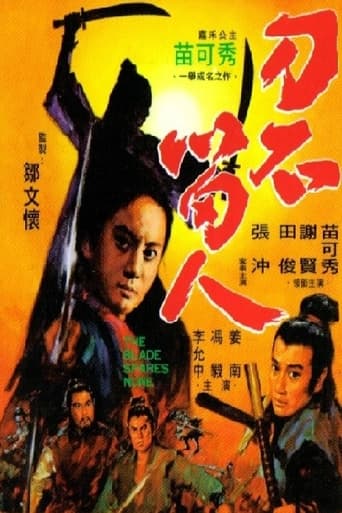
Ho Li-Chun, a pretty but ruthless swordswoman, and three challengers are participating in an open tournament at Prince Kuei's Palace. A knight, Chen Jo-Yu, is defeated in the tournament. He flees and later returns with knight Tang Ching-Yun who wields a strange sword. They get trapped but Ho deliberately sets both free after seeing Tang's weapon which she recognizes as the same weapon once used by Sun Tien-Chen, a foe of the Ho family. She decides to investigate. She finds out Prince Kuei actually is Sun, who killed the real prince years ago and assumed his identity. Ho joins forces with Chen and Tang. The trio slays Sun in a desperate confrontation at the palace.

1971

Vengeance of a Snowgirl

Vengeance of a Snowgirl 1971

5.70

Sworn-brothers expert martial artists are the targets of a mysterious killer, which seems to bear a grudge against them for what happened several years ago.

1971

Max and the Junkmen

Max and the Junkmen 1971

7.10

A detective decides to go undercover and set up a group of robbers, but he may be getting too caught up in the task at hand.

1971

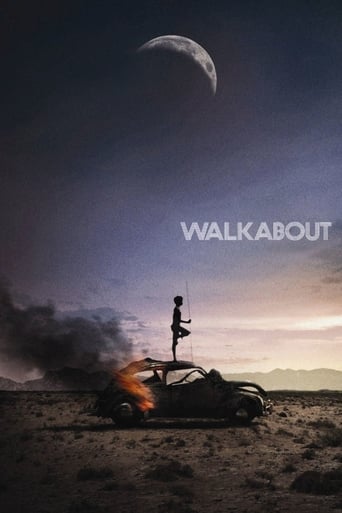
Walkabout

Walkabout 1971

7.30

Under the pretense of having a picnic, a geologist takes his teenage daughter and 6-year-old son into the Australian outback and attempts to shoot them. When he fails, he turns the gun on himself, and the two city-bred children must contend with harsh wilderness alone. They are saved by a chance encounter with an Aboriginal boy who shows them how to survive, and in the process underscores the disharmony between nature and modern life.

1971

Parkinson

Parkinson 1971

6.10

Parkinson (1971) is a British television Interview show that was presented by Michael Parkinson.

1971

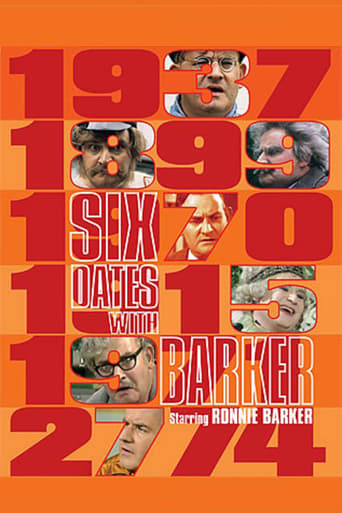
Six Dates with Barker

Six Dates with Barker 1971

7.00

Six Dates with Barker is a 1971 ITV series of six one-off, half-hour situation comedies showcasing the talents of Ronnie Barker. Three of the stories were further developed: The Phantom Raspberry Blower of Old London Town was made into a serial as part of the 1976 sketch comedy programme The Two Ronnies; The Odd Job Man was adapted as a feature film, titled The Odd Job; and The Removals Person became Barker's final programme Clarence.

1971

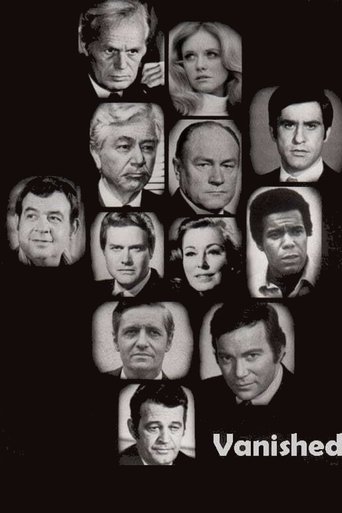
Vanished

Vanished 1971

4.20

Government agencies investigate the mysterious disappearance of a powerful presidential adviser.

1971

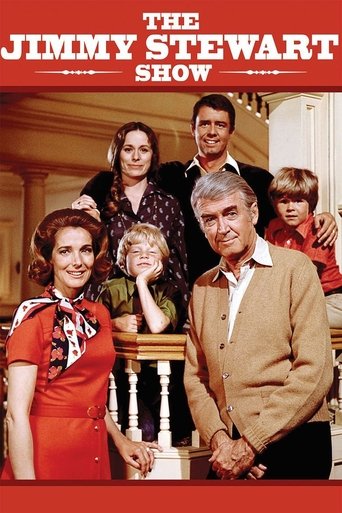
The Jimmy Stewart Show

The Jimmy Stewart Show 1971

6.00

The Jimmy Stewart Show is an American sitcom starring James Stewart. Twenty-four episodes of the show were broadcast in the 1971–1972 season on the NBC network's Sunday night schedule, under the sponsorship of Procter & Gamble.

1971

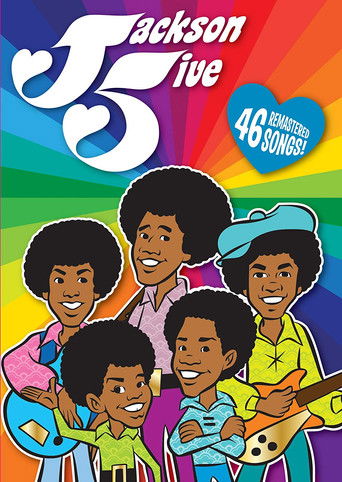
The Jackson 5ive

The Jackson 5ive 1971

5.70

The Jackson 5ive was a Saturday morning cartoon series produced by Rankin/Bass and Motown Productions on ABC from September 11, 1971 until 14 October 1972; a fictionalized portrayal of the careers of Motown recording group The Jackson 5. The series was rebroadcast in syndication through Worldvision Enterprises during the 1984–1985 Saturday morning season, during a period when Michael Jackson was riding a major wave of popularity as a solo artist. The series was animated mainly in London at the studios of Halas and Batchelor, and some animation done at Estudios Moro, Barcelona, Spain. The director was Spanish-American Robert Balser.

1971

Hem till byn

Hem till byn 1971

7.30

Hem till byn, written by Bengt Bratt, is Sweden's longest running TV series and one of its most popular. It is a realistic drama about people in a rural Swedish village and their daily life and romances and fights but also the consequenses of agricultural policy and other changes in the society. The series was first aired in 1971 and has since then been shown in eight seasons with three to five years between them, except a 14-year long intermission between 1976 and 1990. The 2006 season was likely the last. All the characters were played by the same actors throughout the series' run, and thus aged naturally with the actors. As the actors grew older and eventually died during the years, the characters that they played had also died at the start of the following season. The seven seasons between 1971 and 2002 were directed by Jackie Söderman and the eighth season of 2006 by Gun Jönsson, who herself portrayed one of the main characters in the series.

1971

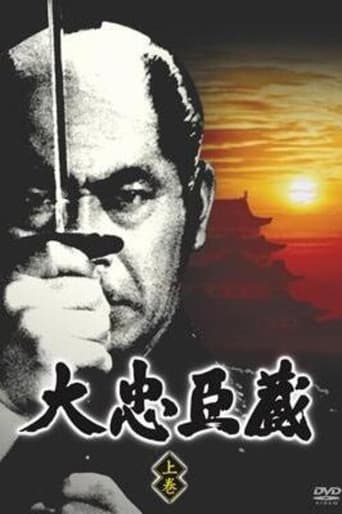
Epic Chushingura

Epic Chushingura 1971

10.00

Daichūshingura is a television dramatization of the events of the Forty-seven Ronin. The first episode aired on January 5, 1971, and the 52nd and final episode appeared on December 28 of the same year. The NET network broadcast it in the Tuesday evening 9:00–9:56 prime-time slot in Japan. The series featured an all-star cast. The central actor was Toshiro Mifune, who portrayed Ōishi Kuranosuke; Yoko Tsukasa his wife; and kabuki actor Onoe Kikugorō VII their son Chikara.

1971

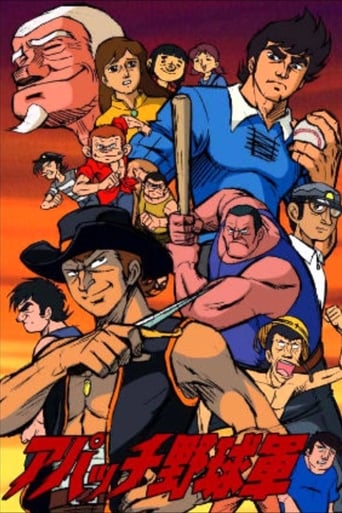
Kunimatsu-sama no Otoridai

Kunimatsu-sama no Otoridai 1971

1.00

A comedy about a group of kids forming a school baseball team, with the leader being very stubborn and argumentative.

1971

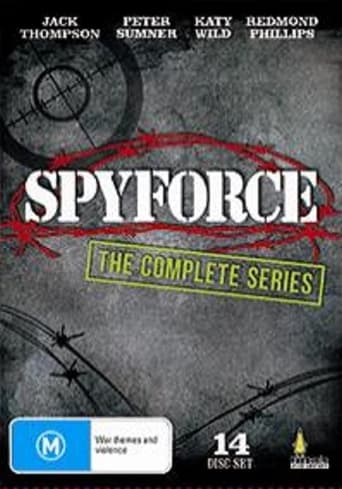
Spyforce

Spyforce 1971

4.00

Spyforce was an Australian TV series produced from 1971 to 1973, based upon the adventures of Australian Military Intelligence operatives in the South West Pacific during World War II. It was produced by the Nine Network in conjunction with Paramount Pictures. The series centres on the action and adventures of lead actor Jack Thompson's character Erskine, and his main support character, Peter Sumner's Gunthar Haber. It was the first lead role for Jack Thompson. The two are part of an elite unit of special operatives, the Special Intelligence Unit, and their adventures are loosely based upon those of the real Services Reconnaissance Department who often operated behind Japanese-held lines during the war. Unlike most previous war films, Spyforce deliberately steered away from the notion that the United States was solely responsible for Japan's defeat, and highlights the important role Australian forces played in the defeat of the Imperial Japanese Army. Producer Roger Mirams was also careful to avoid stereotypes of the genre, and tired formulas for the battle scenes. The idea appealed to American producers Paramount Pictures, who backed creator Roger Mirams to begin production without having seen a script. He made the pilot episode, "Spy Catcher", which impressed Paramount, and the Nine Network immediately bought the local rights. The first episode aired in Sydney on 8 August 1971, and the rest of Australia on 26 August 1971. It was originally intended to produce 26 episodes, but following the success of the first series, Mirams held talks with both Nine Network and Paramount Pictures, who backed him for a second series. In all 42 episodes were produced. The series was last aired on Australian television in Adelaide on 21 September 1976, but has been re-run several times since.
1971

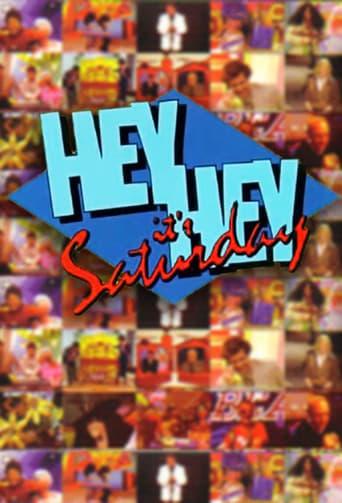
Hey Hey It's Saturday

Hey Hey It's Saturday 1971

8.00

Hey Hey It's Saturday was a long-running variety television program on Australian television. It initially ran for 27 years, debuting on the Nine Network on 9 October 1971 and broadcasting its last episode on 20 November 1999. Its host throughout its entire run was Daryl Somers, who would later become executive producer of the program. The original producer, Gavin Disney, left the program in the 1980s and Somers then jointly formed his own production company, Somers Carroll Productions, with on-screen partner Ernie Carroll, the performer of Somers' puppet sidekick Ossie Ostrich.

1971

The Generation Game

The Generation Game 1971

9.00

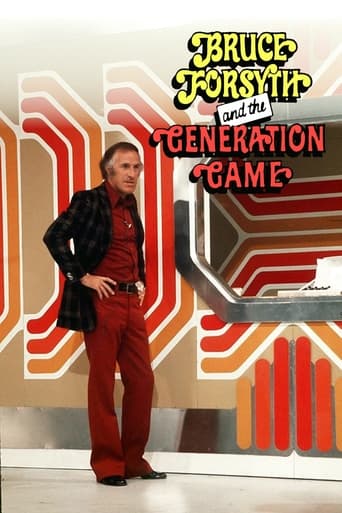
The Generation Game was a British game show produced by the BBC in which four teams of two competed to win prizes. The programme was first broadcast in 1971 under the title Bruce Forsyth and the Generation Game and ran until 1982, and again from 1990 until 2002. The show was based on the Dutch TV show Een van de acht, "One of the Eight", the format devised in 1969 by Theo Uittenbogaard for VARA Television. Mrs. Mies Bouwman - a popular Dutch talk show host and presenter of the show - came up with the idea of the conveyor belt. She had seen it on a German programme and wanted to incorporate it into the show. Another antecedent for the gameshow was 'Sunday Night at the London Palladium' on ATV, which had a game called Beat the Clock, taken from an American gameshow. It featured married couples playing silly games within a certain time to win prize money. This was hosted by Bruce Forsyth from 1958, and he took the idea with him when he went over to the BBC.

1971

The Hui Brothers Show

The Hui Brothers Show 1971

10.00

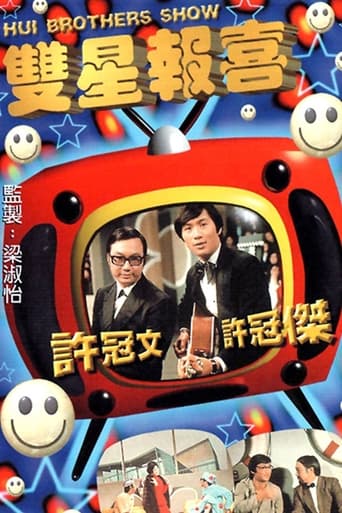
The Hui Brothers Show is a Hong Kong sketch comedy television series produced by TVB and hosted by and starring brothers Michael Hui and Samuel Hui that ran for 52 episodes from 1971 to 1973.

1971

Brett

Brett 1971

5.00

Brett, a journalist with a taste for the high life and a penchant for trouble. a powerful and ambitious man who would become a tycoon, but with his shady past catching up with him, brings him conflict with people he had crossed.

1971

Cackling Kitarou

Cackling Kitarou 1971

9.00

2nd TV anime of Shigeru Mizuki's "Gegege no Kitarou".

1971

Soul Train

Soul Train 1971

8.00

Soul Train is an American musical variety show that aired in syndication from 1971 to 2006. In its 35-year history, the show primarily featured performances by R&B, soul, and hip hop artists, although funk, jazz, disco, and gospel artists have also appeared. The series was created by Don Cornelius, who also served as its first host and executive producer. Production was suspended following the 2005–06 season, with a rerun package airing for two years after that. As a nod to Soul Train's longevity, the show's opening sequence contained a claim that it was the "longest-running first-run, nationally syndicated program in television history," with over 1,100 episodes produced from the show's debut through the 2005-06 season. Despite the production hiatus, Soul Train will continue to hold this honor until at least 2016, if and when its nearest competitor, Entertainment Tonight, completes its 35th season.

1971

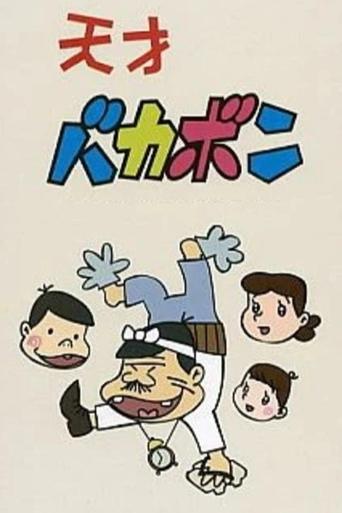
Tensai Bakabon

Tensai Bakabon 1971

6.00

Based on Fujio Akatsuka's subversive family comedy, the series follows naive 10-year-old Bakabon and his folks: Papa, the patriarch and idiot supreme, Mama, Bakabon's darling mother and voice of reason, and Hajime, the newly-born baby boy who, due to being in the womb for an extended period, gained super-intelligence and an extensive bevy of worldly knowledge. Much of the comedy revolves around the idiotic natures of Bakabon and his Papa, and the people who have to put up with it.

1971